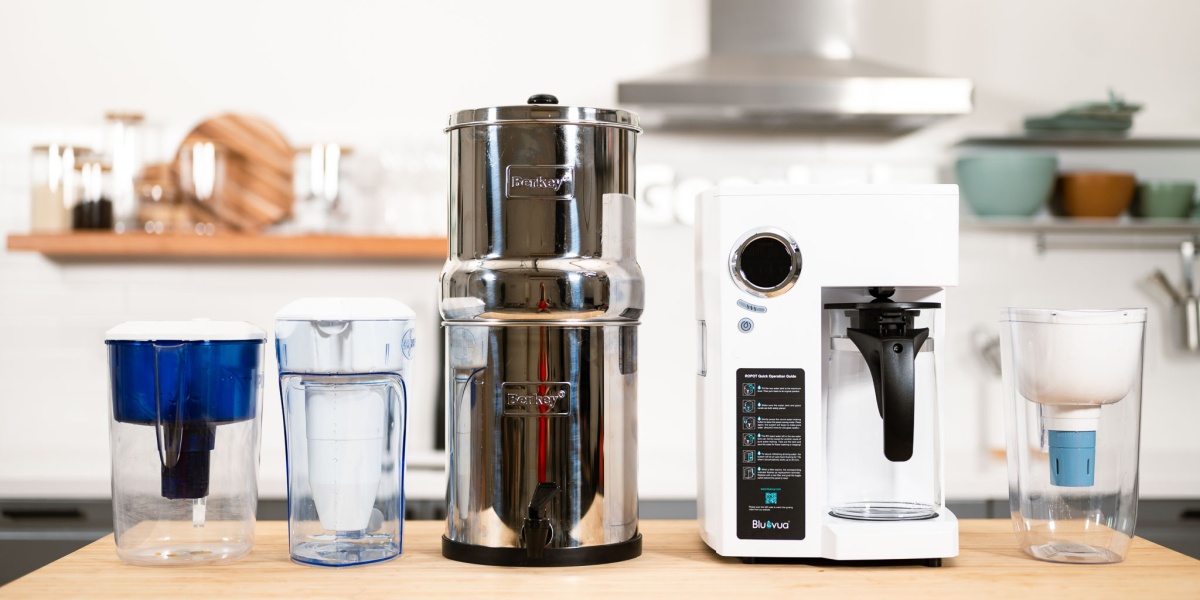
When it comes to ensuring the purity and quality of the water you and your family consume, a sink water filter is a crucial investment. With various options available in the market, selecting the right water filter can be overwhelming. This comprehensive guide aims to provide you with detailed insights into choosing the best water filter for your sink, ensuring you make an informed decision.
Understanding Water Filters for Sinks
A sink water filter is designed to purify tap water, removing contaminants and improving taste. These filters are typically installed directly at your sink faucet, making them convenient for daily use. The primary types of sink water filters include activated carbon filters, reverse osmosis systems, and ceramic filters. Each type offers distinct advantages depending on your water quality needs and budget.
Types of Sink Water Filters
1. Activated Carbon Filters
Activated carbon filters are among the most popular choices for sink water filtration. These filters use activated carbon to adsorb contaminants, including chlorine, volatile organic compounds (VOCs), and some heavy metals. They are effective at improving the taste and odor of tap water.
Advantages of Activated Carbon Filters
- Effective Removal of Chlorine: Activated carbon filters are excellent at removing chlorine, which can cause unpleasant tastes and odors in water.
- Cost-Effective: These filters are generally affordable and offer good performance for their price.
- Ease of Installation: Activated carbon filters are typically easy to install and maintain.
Disadvantages of Activated Carbon Filters
- Limited Effectiveness Against Certain Contaminants: While effective against chlorine and some VOCs, activated carbon filters may not remove all types of contaminants, such as nitrates and fluoride.
- Regular Replacement Needed: The filter media needs to be replaced periodically to maintain effectiveness.
2. Reverse Osmosis Systems
Reverse osmosis (RO) systems are advanced filtration units that use a semi-permeable membrane to remove a wide range of contaminants from water. These systems are known for their high purification capabilities and are ideal for areas with highly contaminated water sources.
Advantages of Reverse Osmosis Systems
- Comprehensive Filtration: RO systems effectively remove a broad spectrum of contaminants, including heavy metals, bacteria, viruses, and dissolved salts.
- Improved Taste and Odor: The filtration process enhances the taste and odor of water significantly.
- Low Maintenance: Once installed, RO systems require minimal maintenance, though filter cartridges need periodic replacement.
Disadvantages of Reverse Osmosis Systems
- Higher Cost: RO systems tend to be more expensive than other filter types, both in terms of initial investment and maintenance.
- Water Wastage: The filtration process generates wastewater, which may be a concern in areas with water scarcity.
3. Ceramic Filters
Ceramic filters use a porous ceramic material to filter out contaminants through micro-sized pores. These filters are known for their durability and are effective in removing bacteria, sediment, and other particulate matter.
Advantages of Ceramic Filters
- Durable and Long-Lasting: Ceramic filters are robust and have a long lifespan, making them a cost-effective choice over time.
- Effective Against Bacteria and Sediment: They are particularly good at removing microorganisms and sediment from water.
- Low Maintenance: Cleaning the ceramic filter is straightforward, and it requires less frequent replacement compared to other filter types.
Disadvantages of Ceramic Filters
- Limited Chemical Filtration: Ceramic filters may not be effective against chemical contaminants such as chlorine or heavy metals.
- Flow Rate: The flow rate can be slower compared to other filter types, which might be a consideration for high-demand households.
Factors to Consider When Choosing a Sink Water Filter
1. Water Quality
Before selecting a water filter, it is essential to test your tap water to understand its specific contaminants. Water quality tests can help you determine whether you need a filter for chlorine, lead, bacteria, or other impurities. Choose a filter that specifically targets the contaminants identified in your water.
2. Installation and Maintenance
Consider the ease of installation and maintenance requirements of the filter. Some filters may require professional installation, while others can be installed DIY. Additionally, evaluate the frequency of filter replacement and the associated costs to ensure the filter fits within your budget.
3. Filter Capacity
The capacity of the filter, or how much water it can process before needing replacement, is an important factor. Ensure that the filter’s capacity aligns with your household’s water consumption needs to avoid frequent replacements.
4. Certification
Look for filters that have been certified by reputable organizations such as the NSF International or Water Quality Association. Certification ensures that the filter meets specific performance standards and has been tested for its effectiveness.
Top Recommendations for Sink Water Filters
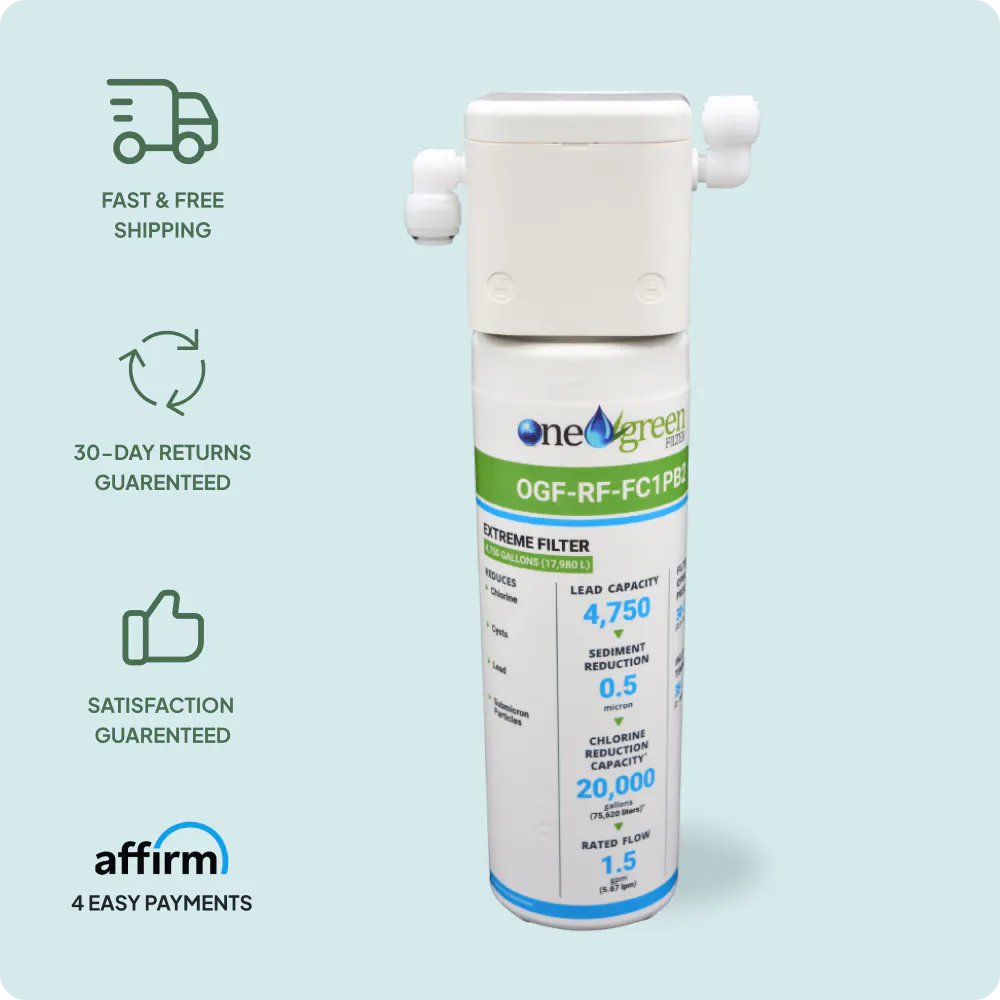
1. One Green Filter
At the forefront of water filtration technology, One Green Filter offers exceptional performance for sink water filtration. Their filters combine advanced purification technologies to ensure high-quality, clean water for your household.
2. Brita Ultra Max
The Brita Ultra Max offers a cost-effective solution with a sleek design, featuring an advanced activated carbon filter that reduces chlorine, lead, and other impurities. Its large capacity is ideal for families.
3. Pur Plus Faucet Filter
The Pur Plus Faucet Filter provides robust filtration with a combination of activated carbon and ion exchange technology. It effectively reduces contaminants and improves water taste, making it a reliable choice for various households.
4. APEC RO-90
The APEC RO-90 is a top-rated reverse osmosis system known for its high purification efficiency. It effectively removes up to 99% of contaminants, including lead, arsenic, and chlorine, ensuring superior water quality.
Conclusion
Selecting the best sink water filter involves understanding your water quality, installation preferences, filter capacity, and certification standards. By choosing a filter that aligns with these factors, you can ensure that your water is clean, safe, and free from harmful contaminants. For those seeking advanced filtration, One Green Filter stands out as a top choice, combining innovation with effectiveness.
Technology Perspective
Technology continues to transform industries through artificial intelligence, cloud computing, automation, cybersecurity, digital platforms, and data-driven decision making. As organizations increasingly adopt digital solutions, understanding emerging technologies becomes essential for businesses, professionals, and consumers. DGM News regularly covers these developments through expert analysis, technology news, and educational resources.
Innovation Outlook
Rapid advances in artificial intelligence, automation, machine learning, cloud infrastructure, and digital transformation continue reshaping global industries. Monitoring these developments helps organizations adapt to changing technologies, improve efficiency, and prepare for future innovation.
Did you know?
Artificial Intelligence is expected to influence nearly every major industry over the coming decade, from healthcare and finance to transportation, manufacturing, education, and entertainment.
AI, Machine Learning, Deep Learning and Generative AI Explained
Google AI Updates
About DGM News
DGM News is an independent digital publication delivering the latest Technology News, AI News, and FinTech News. We provide expert insights on startups, innovation, cybersecurity, software, business, gadgets, cloud computing, artificial intelligence, and emerging technologies. Our mission is to publish informative, accurate, and regularly updated content that helps readers stay informed in today's rapidly evolving digital landscape.
Since our editorial focus includes technology, artificial intelligence, and financial technology, we continuously expand our coverage as new innovations emerge.
Editorial Standards
Every article published on DGM News undergoes editorial review before publication. We prioritize factual accuracy, clarity, transparency, and reader value while following responsible digital publishing practices.
Research Methodology
Our editorial team researches publicly available information from official announcements, technical documentation, research publications, developer resources, reputable industry reports, and trusted public sources whenever applicable. Information is reviewed to improve clarity and accuracy before publication.
Fact-Checking Policy
We make reasonable efforts to verify factual information before publishing. Articles are reviewed for accuracy, consistency, and relevance. If significant developments occur after publication, content may be revised to reflect updated information.
Update Policy
Technology evolves rapidly. Articles may be reviewed and updated periodically to reflect software releases, AI developments, security advisories, regulatory updates, product launches, and other important industry changes.
Source Verification
Whenever possible, DGM News reviews information using official company announcements, technical documentation, research publications, government resources, publicly available reports, and reputable industry references before updating articles.
Editorial Independence
DGM News maintains editorial independence in all publishing decisions. Editorial content is produced independently and is intended to provide balanced, informative, and reader-focused coverage without influence from advertisers or commercial partnerships.
AI Usage Disclosure
Artificial intelligence tools may assist with research organization, grammar improvement, formatting, or editorial workflows. Every article is reviewed by human editors before publication to help maintain quality, clarity, and factual accuracy.
Corrections Policy
Accuracy is important to us. If readers identify outdated information or factual inaccuracies, they are encouraged to contact our editorial team. Verified corrections are reviewed and incorporated whenever appropriate.
Reader Feedback
Reader feedback helps improve our journalism. We welcome suggestions, corrections, and constructive feedback through our Contact page to continuously improve the quality of our reporting.
Last Editorial Review
This article follows the DGM News editorial review process and may be updated periodically as new information becomes available.
Why Trust DGM News?
DGM News is committed to publishing technology journalism that emphasizes accuracy, transparency, editorial independence, and regularly updated information. Our editorial process is designed to provide readers with reliable coverage of technology, AI, fintech, startups, and digital innovation.
DGM News Resources
Topics We Cover
Artificial Intelligence • AI Tools • Machine Learning • FinTech • Cybersecurity • Cloud Computing • Programming • Software Development • Gadgets • Mobile Technology • Business Technology • Startups • Digital Marketing • Blockchain • Cryptocurrency • Science • Innovation • Consumer Technology • Enterprise Technology • Automation