When temperatures drop and it’s dark before dinner, even the most dedicated traveler can feel a bit stuck. The suitcases are in hibernation, the kids are back in school, and your summer road-trip playlist already sounds nostalgic. But winter doesn’t have to be a pause button on travel – it can be a different season of it.
Here are three cozy, realistic ways to keep the spirit of trips and US adventures alive all winter long, even if you’re spending most evenings at home.
1. Turn your living room into a “travel memory corner”
Most of us come back from trips with hundreds of photos and a vague plan to “print them someday.” Winter is the perfect time to actually do it – and turn a blank wall into a small travel shrine.
Pick a spot you see every day: near the sofa, in the hallway, next to the dining table. Print a handful of your favorite vacation photos: the kids posing at Mount Rushmore, your first glimpse of the Statue of Liberty, a sunset at Devils Tower, a family selfie by the Lincoln Memorial. Mix them with small souvenirs – ticket stubs, metro cards, museum wristbands, park or monument passes.
To tie everything together, add a statement piece on that wall: a wooden national parks and monuments map of the US. The map itself focuses on the big historic sites – monuments and memorials – while your photos can be from anywhere: cities, road trips, national parks.
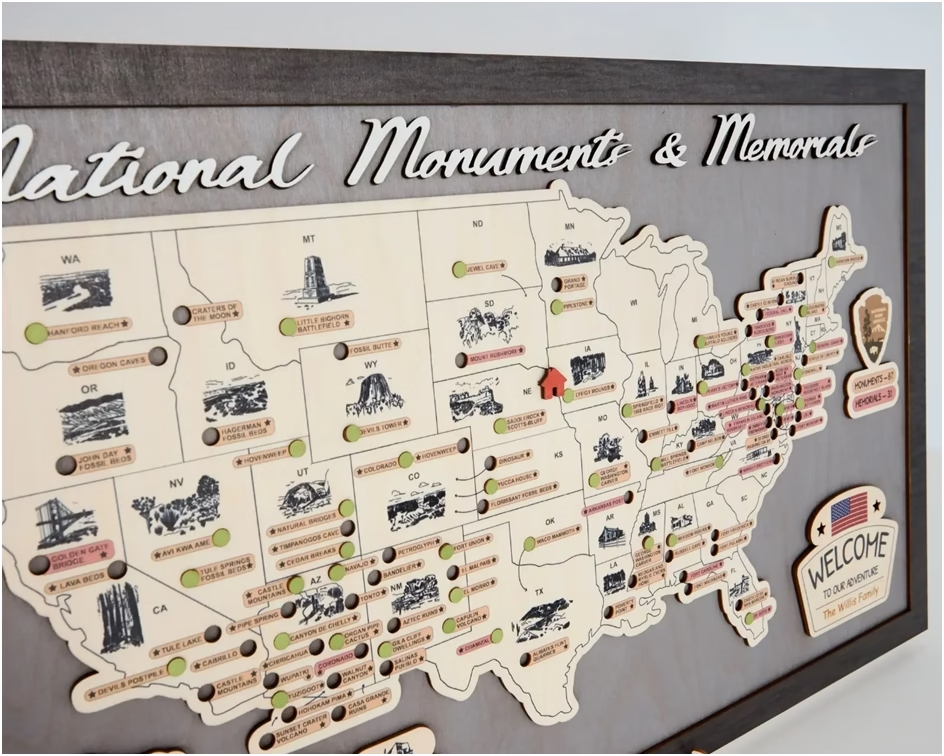
The combination works on two levels:
- Visually, the map gives structure to the chaos of photos and turns them into one big story of your travels across the country.
- Emotionally, it becomes a “memory board” where you can mark the sites you’ve already visited and the ones still on your family bucket list.
On cold evenings, this little corner feels like a portal: you make tea, glance at the map, see all the pins and tiny labels – and realize that travel hasn’t disappeared, it’s just waiting for its next chapter.
If you’d like a ready-made wooden map that looks like décor rather than a classroom poster, brands like Lemap specialize in engraved US National Monuments & Memorials maps designed exactly for this kind of travel wall.
2. Host family “Monument Nights” and build a spring bucket list
Kids quickly forget even the brightest trips if you never talk about them again. Instead of visiting one famous landmark a year and hoping for a big “wow”, turn monuments and memorials into a small winter tradition.
Pick one evening a week and turn it into Monument Night:
- Decide together which site you’ll explore this time: Mount Rushmore, the Washington Monument, Liberty Bell, Independence Hall, Gateway Arch or another place you’d love to visit.
- Watch a short YouTube video or an official National Park Service clip about that monument or memorial.
- Cook something simple inspired by the region: a Chicago-style snack for Illinois, clam chowder for the Northeast, tacos for the Southwest.
- At the end of the evening, find the site on your wall map and let everyone name one thing they’d like to see or learn there.
This way you quietly build a real bucket list instead of a vague “we should visit more historic places someday”. For younger kids, the map is often their first real sense of geography: they learn to find South Dakota, New York or Pennsylvania, see where they’ve already been and where they might go next.
When spring comes and you start planning a trip, you’ll already have a list of ideas tested by those cozy evenings. And your national parks and monuments map won’t just be decoration – it will be a practical planning tool you’ve been using all winter.
3. Try a small winter escape without the summer crowds
Not every winter budget allows for a two-week road trip, but sometimes a quick weekend escape is all you need to feel “on the road” again.
If you live within one or two flights of a warmer state, check which monuments and nearby parks are pleasant in winter. In the Washington, D.C. area you can walk the National Mall without summer heat; in Arizona you can combine Saguaro National Park with a visit to local historic sites; in the South you can see battlefields and memorials without crowds or high humidity.
The approach is simple:
- Choose one main site you’d like to finally see in person.
- Check opening hours and any seasonal restrictions.
- Plan just one or two activities per day: a walk around the monument, a short nearby trail, a visit to the visitor center or museum.
A weekend like this doesn’t require months of preparation, but it keeps your identity as “the family that travels” alive, even in January.
After the trip, add a new pin to your wooden map where that monument or memorial is marked. Kids love this moment – it creates a clear connection: we’ve been there; this is part of our shared story.
Why winter is the right time to “wake up” your travels
Winter is a good time not only for memories, but also for strategy. It’s easier now to calmly notice what truly makes you happy on the road: long walks around historic sites, classic road trips, little city discoveries or slow days in one campground.
When you literally see your trips on the wall – in printed photos and on a wooden US national monuments map – planning the next ones becomes simpler: fewer random ideas, more intentional choices.
Travel isn’t only about miles on the odometer or stamps in the passport. It’s also about how you live with those memories between trips. A cozy winter evening, a big blanket, hot tea, kids arguing over which monument should be “next”, and a wall map slowly filling with tiny pins – that’s part of the journey too.
And when summer finally comes, you won’t just walk out the door “somewhere”. You’ll head to a place you’ve already talked about, read about, watched videos of and dreamed about together.