Easy Access and Efficient Searching
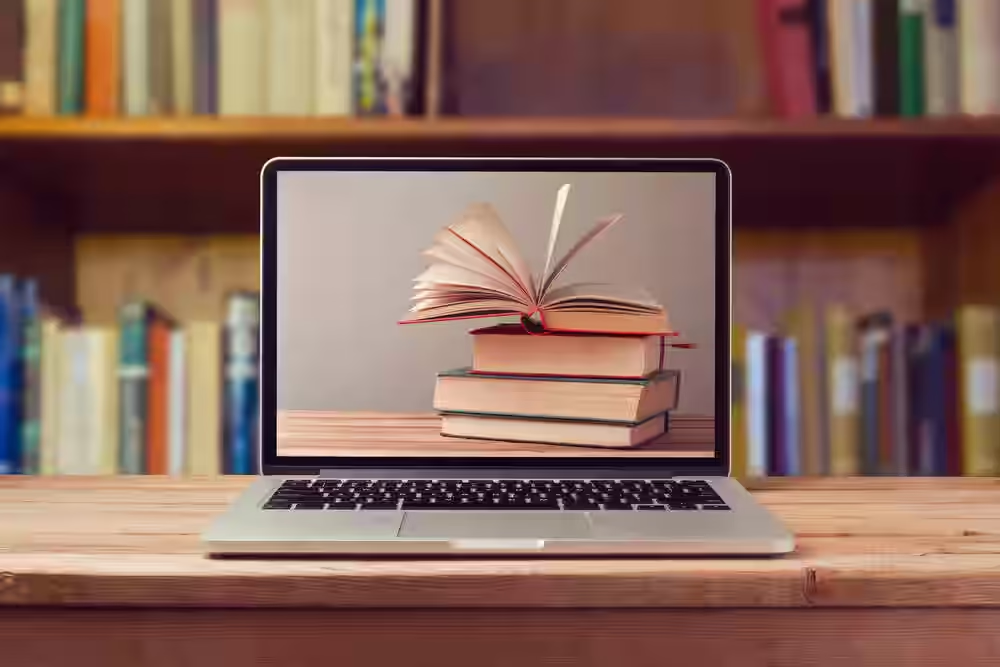
Digital libraries today make knowledge easy to access, and this advantage is very important for every reader. A digital library is an electronic library that provides electronic materials, documents, publications, e-books, PDF files, graphic images, magazines, and scientific resources. It is a convenient system that allows you to get information quickly and without exhausting visits to a traditional library. These platforms, including large digital collections such as Z-Library, offer new opportunities for reading books, searching for information, and working with electronic format texts, making them valuable for users who want efficient information processing and wider access to materials.
The main advantages of digital libraries appear in the way they allow users to find materials. A library site usually includes resources divided by subjects, publication years, authors, formats, and types. This organization makes searching easy because the system allows filtering documents, sorting them, and finding materials related to a specific subject. Such platforms also help readers who need books for scientific work, reading electronic books, or accessing documents stored in archives. It is possible to get electronic materials quickly, even if they are stored in another place or in another country.
Flexibility and Enhanced Reading Experience
Digital libraries offer opportunities for working with texts that are not possible in a regular library. A user can download e-books, store them on a laptop, tablet, smartphone, or computer, and read them offline. Reading digital books gives the reader access to illustrations, images, and video materials that help increase understanding. Electronic resources are also convenient for users who want to use a specific book many times without damage to the physical format. These features make electronic materials more attractive for long reading, scientific tasks, and work with large collections.
Another advantage is the presence of various categories that help users find what they want. The first category usually includes fiction, literature, and magazines. The second category contains scientific publications, encyclopedias, and documents stored for educational purposes. The third category often offers electronic resources for professional activities, software tools, and applications. This division makes the library more convenient and helps users get access to sources that match their interests, knowledge level, or work requirements.
Personalization and Continuous Availability
Digital libraries also provide new opportunities for reading books and for finding materials related to a personal theme. The system includes special settings, tools, and pages that allow the user to create a convenient reading space. A reader can change the appearance of the screen, use bookmarks, leave notes, and sort materials. This makes the reading experience more comfortable and helps increase skills in information processing. Electronic libraries also provide opportunities for searching across large collections, and this makes them very powerful information tools.
Digital libraries are usually available online, and this gives readers access to materials at any time. A user does not need to visit a physical place. It is enough to have a login and an internet connection. This makes digital libraries, including large online collections such as Z-Lib, very important for users who work, study, or travel. It also helps readers who need quick access to specific documents, information, or publications. Because the materials are stored in electronic format, the system remains very efficient even when the number of documents increases.
The Modern Way Forward
Digital libraries today represent a modern way of working with information. They offer advanced opportunities for reading, processing materials, and searching for knowledge. They are convenient, quick, attractive, and efficient. They help readers develop skills, work with various subjects, and get access to a wide range of materials. By making knowledge accessible to everyone with internet connection, digital libraries have become an essential tool for education, research, and personal growth in the modern world.