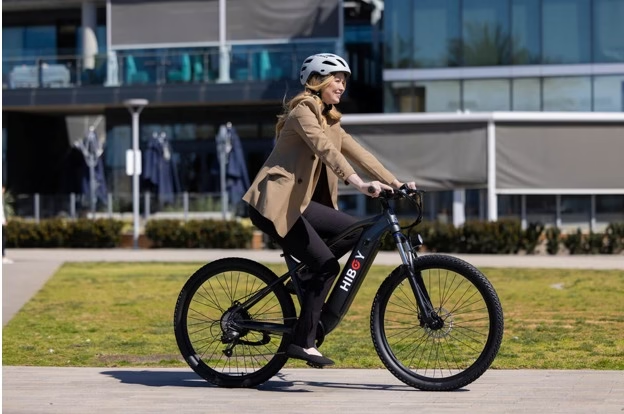
Electric bikes are rapidly becoming one of the most popular ways to travel across the UK — combining the convenience of cycling with the comfort of motor assistance. But before you hit the road, it’s important to understand the UK’s electric bike regulations to ensure you’re riding legally and safely. Whether you’re a commuter, leisure rider, or first-time buyer, knowing the rules will help you avoid fines and make the most of your electric bike.
What Is an Electric Bike in UK Law?
In the United Kingdom, an electric bike is officially known as an EAPC (Electrically Assisted Pedal Cycle). This classification determines how the law treats your e-bike compared to motor vehicles like scooters or mopeds.
To be legally classed as an EAPC, your electric bike must meet the following conditions:
- Maximum motor power: 250 watts (0.25 kW)
- Maximum assisted speed: 15.5 mph (25 km/h)
- Pedal assistance: The motor must only work when you are pedalling (no throttle-only operation)
- Age restriction: Riders must be at least 14 years old
- Power cut-off: The motor must stop providing assistance once the bike exceeds 15.5 mph
If your bike meets all these criteria, it is treated the same as a regular pedal bicycle — meaning you can ride it without a licence, insurance, or registration.
When Is an Electric Bike Considered a Motor Vehicle?
If your e-bike exceeds 250W power or can operate solely by throttle without pedalling, it is no longer considered an EAPC. Instead, it is classed as a motor vehicle, which means:
- You must have a valid driving licence
- The bike must be registered and display a number plate
- You must pay vehicle tax and insurance
- The rider must wear an approved helmet
These types of e-bikes are typically known as speed pedelecs or electric mopeds, and they fall under similar regulations to small motorcycles. Riding one without meeting these requirements can result in penalties or the bike being seized.
Where Can You Ride an Electric Bike in the UK?
Legal EAPC-classified electric bikes can be ridden:
- On public roads
- In cycle lanes
- On shared-use paths
However, you cannot ride them on pavements or pedestrian-only zones unless specifically permitted. Always follow local signage and road markings to ensure compliance.
Safety Equipment and Rider Responsibility
While helmets are not legally required for electric bike riders in the UK, wearing one is strongly recommended. Riders should also ensure:
- Proper front and rear lights for visibility at night
- Working brakes on both wheels
- Reflectors on pedals and rear mudguards
- Use of high-visibility clothing when riding in low-light conditions
By following these safety guidelines, you can ride confidently and responsibly.
Age and Licensing Requirements
You must be 14 years or older to ride an electric bike legally on public roads. There is no licence requirement for standard EAPCs, nor do you need to register or pay vehicle tax. This accessibility makes e-bikes a convenient option for both young riders and adults looking for efficient urban transport.
Benefits of Complying With Electric Bike Regulations
Staying within legal limits ensures you enjoy the full benefits of electric mobility without unnecessary complications:
- No hidden costs: No tax, insurance, or MOT tests required.
- Legal road access: Freedom to use roads and cycle lanes without restrictions.
- Peace of mind: Avoid fines or penalties for non-compliance.
- Eco-friendly commuting: Reduce your carbon footprint while staying mobile.
Choosing a certified electric bike that complies with UK law gives you the perfect mix of performance, safety, and legality.
Common Misconceptions About UK E-Bike Laws
Myth 1: You need a licence to ride an electric bike.
Fact: Not for standard EAPCs. Only high-powered models require licensing.
Myth 2: All e-bikes can use throttles.
Fact: Throttles are allowed only if they operate up to 4 mph (6 km/h) or the bike meets motorcycle standards.
Myth 3: E-bikes can go on pavements.
Fact: Only in areas explicitly marked for shared use.
Myth 4: There are no age restrictions.
Fact: Riders must be at least 14 years old by law.
Future of Electric Bike Regulations in the UK
As e-bikes become more widespread, the government continues to review legislation to promote safety and sustainability. Future updates may include clearer distinctions between e-bikes and e-scooters, potential insurance options for higher-powered models, and improved infrastructure for shared mobility.
The UK’s commitment to greener transport means e-bike regulations are likely to evolve — but the goal will always remain the same: promoting eco-friendly, accessible travel for everyone.
Conclusion
Understanding electric bike regulations in the UK is essential for safe and legal riding. If your bike meets EAPC standards, you can enjoy the freedom of cycling with electric assistance — no licence, tax, or insurance required. Choosing a compliant electric bike from a trusted brand ensures you get the best combination of performance, safety, and peace of mind for your everyday journeys.
Frequently Asked Questions (FAQ)
1. Do I need a driving licence to ride an electric bike in the UK?
No. As long as your e-bike meets EAPC standards (250W motor and 15.5 mph limit), no licence is required.
2. Can I use an electric bike on the pavement?
No, electric bikes can only be used on roads, cycle lanes, or shared-use paths.
3. Are there any age restrictions for e-bike riders?
Yes. Riders must be at least 14 years old to use an electric bike legally on public roads.
4. Do I need to wear a helmet when riding an electric bike?
It’s not a legal requirement, but wearing a helmet is strongly advised for safety.
5. What happens if my e-bike exceeds the legal power limit?
It will be classified as a motor vehicle, requiring registration, insurance, and a valid licence.