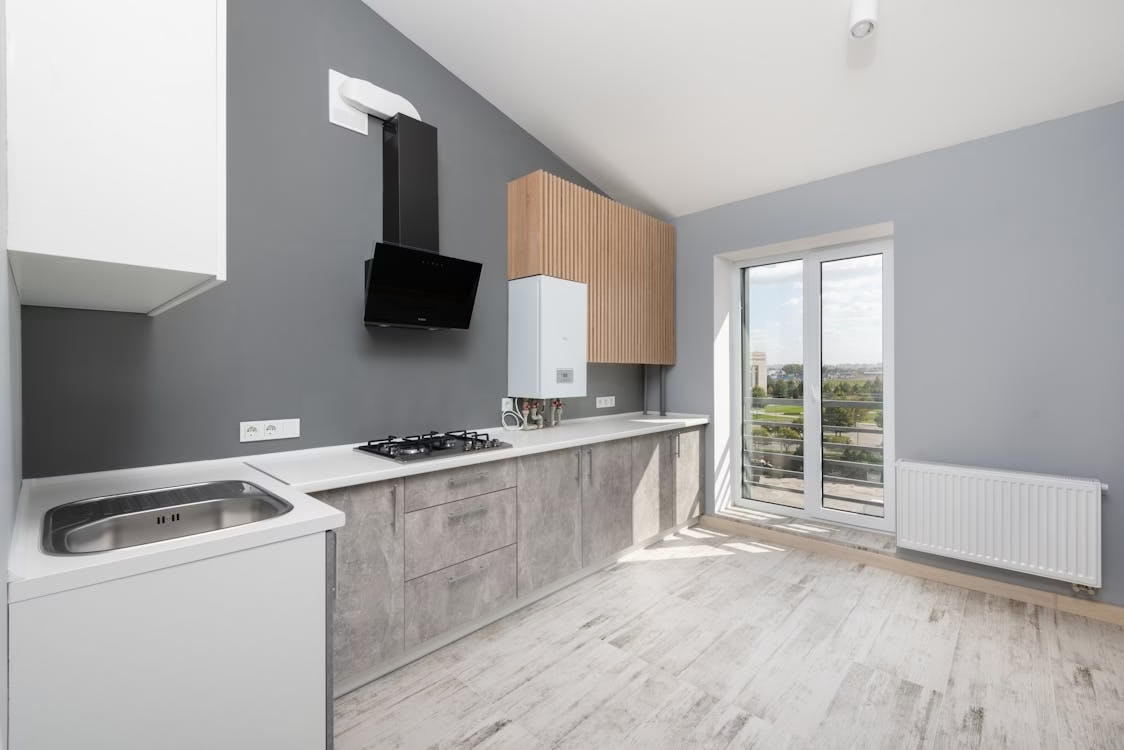
Alameda homes have charm—until the “days” include a tired kitchen, a cramped bath, or a roof that’s past its prime. A good remodel isn’t only about looks. It’s about a clear plan, clear communication, and results that hold up.
- 1. Start with a clear vision (and a budget reality check)
- 2. Define the scope, timeline, and how you’ll live through construction
- 3. Choose the right remodeling partner for Alameda homes
- 4. Pick upgrades that improve daily life: kitchens, baths, ADUs, and outdoor spaces
- 5. Don’t forget the outside: roofing, siding, and energy-smart choices
- 6. Keep the project moving with simple, steady communication
- Conclusion
- FAQs
1. Start with a clear vision (and a budget reality check)
Begin with how you want to live. More room to cook? A calmer bathroom? Space for guests or work-from-home?
Turn that into three lists:
- Must-haves
- Nice-to-haves
- Later items
For older homes, set aside a contingency (10–20%) for surprises behind walls—because houses, like toddlers, love to keep secrets.
2. Define the scope, timeline, and how you’ll live through construction
Scope creep is sneaky. You plan a shower upgrade, and suddenly you’re debating new flooring “since we’re already here.” Pause. Decide what’s in and what’s out.
Map the phases: design, permits, demo, rough work, finishes, and final inspection. If you’re staying in the home, plan for dust, noise, and temporary kitchens.
3. Choose the right remodeling partner for Alameda homes
Experience makes all the difference in Alameda, where older construction, coastal conditions, and local permitting can influence schedules and material choices. Working with a trusted general contractor in Alameda can turn a potentially chaotic remodel into a smooth, well-coordinated process. The right team manages designers, trades, inspections, and next-step decisions so you can focus on the results.
What to look for:
- Consistent five-star reviews that mention communication
- Detailed, written estimates (not napkin math)
- A client-first process with personalized design conversations
- Help with permits and realistic timelines
If you meet a team with decades of Bay Area experience and strong craftsmanship, lean in. Seasoned builders can spot common issues early, offer practical options, and keep quality high without turning every change into a budget surprise. Many also recommend healthier, low-VOC finishes and smart material choices.
A free consultation is a smart starting point. It lets you compare approaches before committing.
4. Pick upgrades that improve daily life: kitchens, baths, ADUs, and outdoor spaces
Great design solves real problems. In kitchens, prioritize layout, storage, lighting, and durable surfaces. In bathrooms, focus on ventilation, waterproofing, and easy-to-clean finishes.
Considering an ADU? Start with the goal—rental income, family, or a quiet office—and build the plan around privacy, sound control, and comfort. If accessibility is on your mind, plan safer entries and wider paths now, so you’re not reopening walls later.
Outdoor work counts, too. A deck or patio can feel like an extra room. Use weather-ready materials and plan drainage so your new space doesn’t turn into a “surprise pond” after winter rain.
5. Don’t forget the outside: roofing, siding, and energy-smart choices
Exterior upgrades often deliver the biggest curb appeal, and they protect the home’s structure. Quality roofing and siding help manage moisture and wind—especially near the water.
If you’re already improving the exterior, consider efficiency upgrades that can cut bills:
- Insulation and air sealing
- Efficient windows and doors
- Better ventilation for healthier indoor air
- Low-VOC paints and finishes for a fresher feel
These choices can make a remodel look good and feel good.
6. Keep the project moving with simple, steady communication
Remodeling works best when decisions don’t linger. Set a routine: weekly check-ins, one place for selections, and quick responses when the crew needs an answer. If something feels off, say it early—small course corrections beat big rework.
Keep a running punch list, too. Small notes—an outlet location, a cabinet gap, a sticky door—are easier to fix when they’re caught early, not after you’ve already moved the toaster back in.
Conclusion
A successful home remodel in Alameda is about more than aesthetics—it’s about planning, communication, and thoughtful decision-making every step of the way. Start with a clear vision and budget, choose a trusted contractor with local experience, and focus on upgrades that improve daily life both inside and out. Stay organized, keep communication steady, and address issues early to avoid costly surprises. By approaching your remodel with intention and flexibility, you’ll turn a dated house into a comfortable, functional, and beautiful home that stands the test of time.
FAQs
Do I need permits for kitchen remodeling, bathroom remodeling, or an ADU?
Often, yes—especially for plumbing, electrical, structural changes, and ADU construction. A reputable Bay Area team can guide the permit process and coordinate inspections.
How long will my remodel take?
A bathroom may take weeks; kitchens, ADUs, and full-home transformations can take months. Permits, inspections, and material lead times can shift the timeline.
How do I choose the right contractor for my remodel?
Verify license and insurance, then look for recent Alameda references and clear written plans. A responsive general contractor, Alameda homeowners trust should explain costs, timing, and next steps without fuss.
How do I choose materials that last near the coast?
Pick products rated for moisture exposure and prioritize proper installation. Corrosion-resistant fasteners and good flashing details matter as much as the finish you see.