Spider veins may seem like a cosmetic concern, but they can signify underlying circulatory issues and affect our self-esteem. For those seeking professional evaluation and treatment, consulting a vein specialist near Grand Rapids can provide accurate diagnosis and personalized care tailored to your vascular health needs.
Understanding what causes these veins and how we can manage them is crucial for maintaining healthy legs. In this text, we’ll explore the causes and symptoms of spider veins, preventive measures, lifestyle changes, treatment options, and tips for maintaining leg health post-treatment. Let’s immerse ourselves and empower ourselves with the knowledge needed for healthier legs.
Understanding Spider Veins: Causes and Symptoms
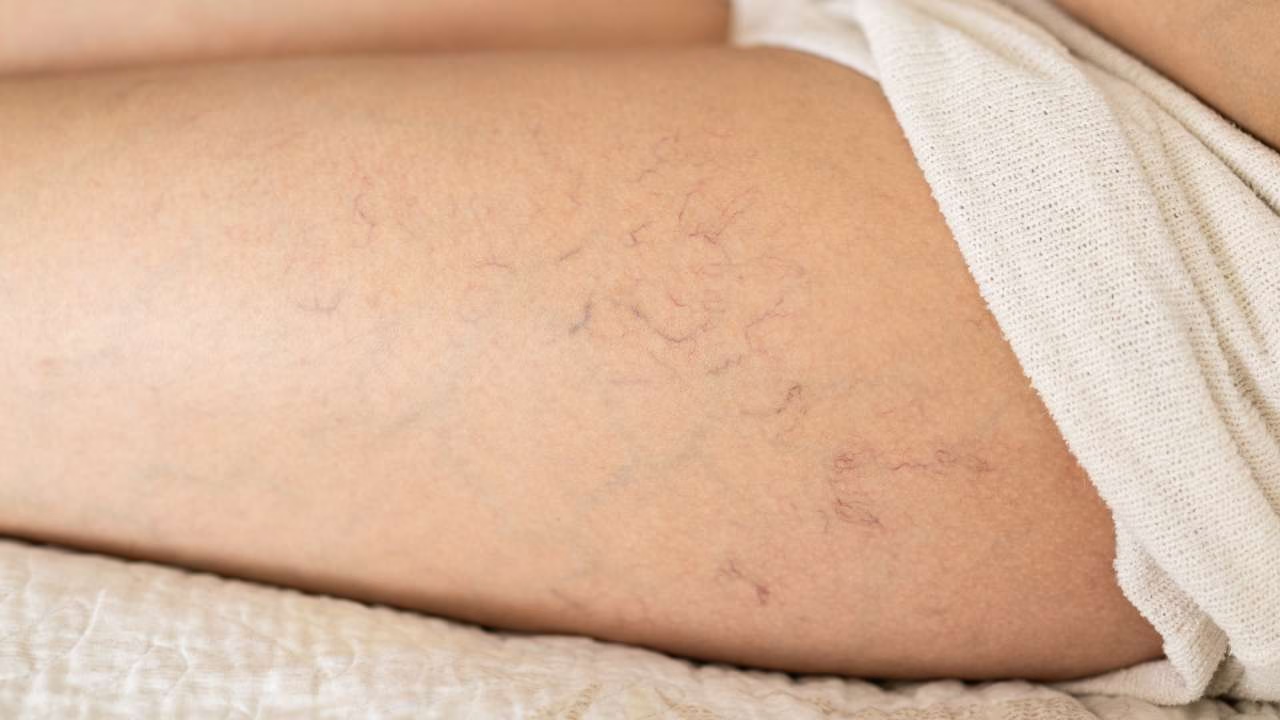
Spider veins, also known as telangiectasia, are small, thin blood vessels that can appear red, blue, or purple. They typically branch out like a web on the surface of our skin, most commonly on the legs and face.
Causes of Spider Veins
- Genetics: If our family members have experienced spider veins, there’s a higher likelihood we’ll have them, too.
- Hormonal Changes: Hormonal fluctuations, particularly during pregnancy, menstruation, or menopause, can contribute to their formation.
- Prolonged Sitting or Standing: Whether it’s work or leisure, positions that keep us stationary for extended periods can strain our veins.
- Obesity: Excess weight can increase pressure on our leg veins, encouraging the appearance of spider veins.
- Sun Exposure: UV rays can damage our skin and blood vessels, causing spider veins to develop especially on the face.
Symptoms
Spider veins are often painless, but some individuals might experience discomfort, aching, or itching in the affected areas. Keeping an eye on any changes in color or size of the veins is important, as sudden changes could indicate a more serious issue.
Preventive Measures for Healthy Legs
We all know that prevention is better than cure. By adopting certain practices, we can help keep our legs healthy and reduce the risk of developing spider veins.
1. Maintain a Healthy Weight
Keeping our weight in check can alleviate pressure on our veins, which is vital for leg health. Regular exercise and a balanced diet can significantly aid in this.
2. Stay Active
Incorporating regular physical activity into our lives strengthens our legs, promotes circulation, and can help prevent spider veins. Simple activities like walking, cycling, or swimming can make a difference.
3. Manage Hormonal Changes
When possible, we can consult healthcare providers about hormone levels, especially during pregnancy or menopause, to manage symptoms and avoid complications.
Lifestyle Changes to Reduce Spider Veins
Beyond preventive measures, there are lifestyle changes we can make to specifically target the reduction of spider veins.
1. Elevate Your Legs
Whenever possible, we should elevate our legs to relieve pressure on the veins. Using cushions while resting or propping our feet up at work can improve circulation.
2. Wear Compression Stockings
Compression stockings apply gentle pressure to our legs, which aids in blood circulation and can help minimize the appearance of spider veins over time. While they may seem cumbersome, people often find them helpful in alleviating discomfort.
3. Avoid Tight Clothing
Fitted clothes can restrict blood flow. Opting for looser clothing is a simple yet effective change we can make.
Treatment Options for Spider Veins
If spider veins become bothersome, there are several treatments available that we can consider:
1. Sclerotherapy
This involves injecting a solution into the affected veins, causing them to collapse and fade over time. It’s an effective treatment that many people find beneficial.
2. Endovenous Laser Treatment (EVLT)
Using lasers for treatment not only offers minimal scarring but is also a less invasive approach to targeting spider veins.
3. Radiofrequency Ablation
This method uses heat to close off the troubled veins, which is another effective option that many prefer due to its quick recovery time.
When to Seek Professional Help
While many of us may feel inclined to try home remedies or lifestyle changes, there are certain signs that indicate the need for professional medical advice:
1. Increased Pain or Discomfort
If we experience increasing pain, swelling, or discomfort in our legs, it’s crucial to consult a healthcare provider.
2. Changes in Appearance of Veins
Sudden changes in color or size of the spider veins can indicate underlying issues that need medical attention.
3. Symptoms of Blood Clots
If we notice severe swelling, redness, or warmth in our leg, we should seek immediate medical assistance, as these could be signs of a blood clot.
Tips for Maintaining Leg Health Post-Treatment
After undergoing treatment for spider veins, maintaining our leg health is essential to prevent recurrence. Here are a few tips:
1. Follow Post-Treatment Guidelines
Always adhere to instructions provided by our healthcare provider, as these will ensure optimal recovery.
2. Stay Hydrated
Drinking adequate water supports circulation and can help maintain skin health.
3. Continue With Preventative Measures
Maintaining our weight, staying active, and following other preventive measures we’ve discussed will reinforce the health of our legs in the long run.
Conclusion
Managing spider veins is not just about aesthetics: it’s a vital component of ensuring overall leg health. By understanding their causes, prioritizing prevention, making lifestyle changes, and knowing when to seek treatment, we can take significant steps toward healthier legs. Remember, our legs carry us through life, let’s treat them well.