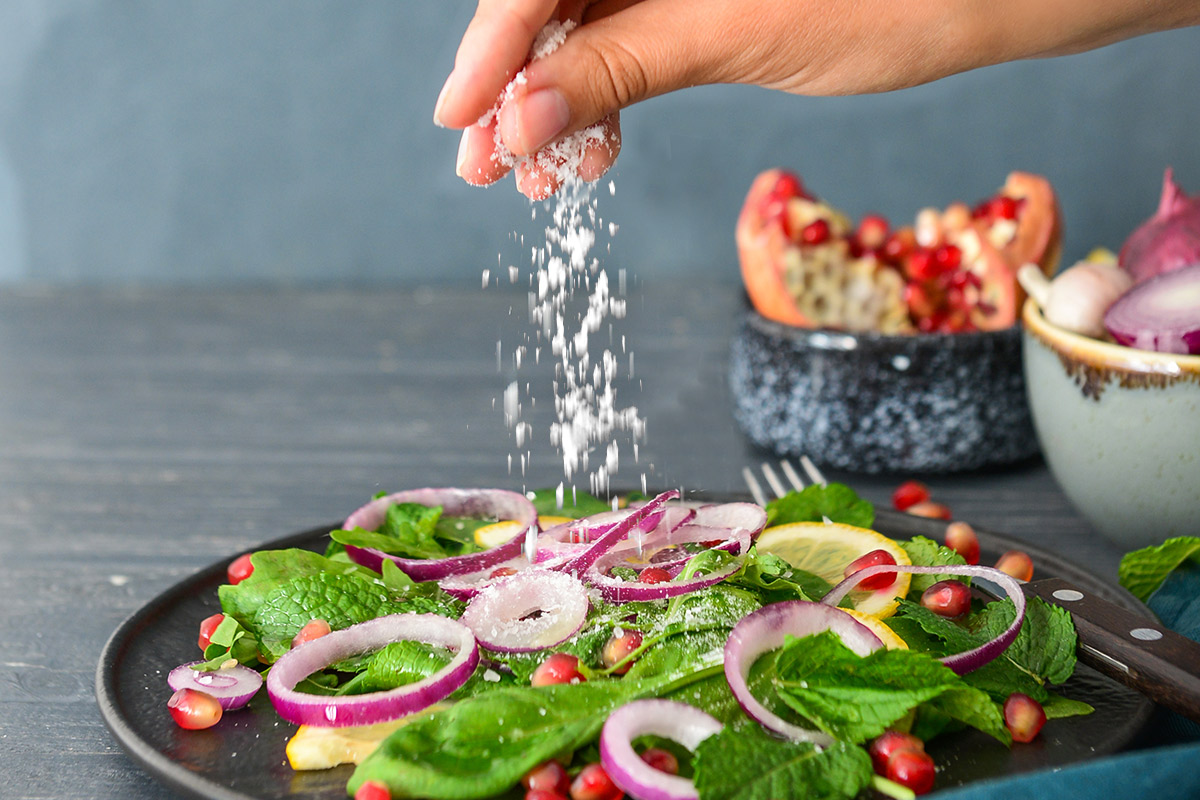
Himalayan pink salt has gained massive popularity worldwide due to its natural purity, mineral-rich composition, and wide range of uses. From gourmet kitchens to wellness industries, this ancient salt is now a staple product across multiple markets. As demand continues to rise, sourcing from reliable suppliers has become more important than ever.
What Makes Himalayan Pink Salt Unique?
Unlike regular table salt, Himalayan pink salt is harvested from ancient salt mines located deep within the Himalayan region. These deposits are believed to be over 250 million years old, protected from modern pollution and environmental contamination.
Its distinctive pink color comes from trace minerals such as calcium, magnesium, potassium, and iron. These minerals not only enhance its appearance but also contribute to its perceived health and wellness value, making it a preferred choice for consumers seeking natural alternatives.
Expanding Uses Across Multiple Industries
Himalayan pink salt is no longer limited to culinary applications. Today, it is widely used in:
- Food & Beverage Industry – Cooking, seasoning, grilling slabs, and gourmet salts
- Health & Wellness – Bath salts, salt inhalers, detox products
- Home & Lifestyle – Salt lamps, décor items, spa accessories
- Animal Health – Salt licks for livestock and pets
This versatility has significantly increased global trade opportunities and made quality sourcing a key factor for brands and distributors.
Importance of Choosing the Right Manufacturer
With growing international demand, the market has also seen a rise in low-quality and artificially processed salt products. This makes it crucial to work with trusted himalayan pink salt manufacturers who follow strict quality standards, ethical mining practices, and proper processing methods.
A reliable manufacturer ensures:
- Authentic mineral composition
- Food-grade and non-food-grade quality control
- Proper washing, crushing, and grading processes
- Compliance with international export regulations
These factors directly impact product safety, brand reputation, and long-term business success.
Quality Control and Processing Standards
Top manufacturers follow a structured production process, starting from manual mining to minimize contamination. The raw salt is then thoroughly washed using potable water, dried naturally, and processed into various grain sizes based on market needs.
Advanced facilities also conduct laboratory testing to verify mineral content and ensure the absence of heavy metals or harmful substances. Certifications such as ISO, HACCP, and food safety compliance further validate product quality for international buyers.
Sustainable and Ethical Mining Practices
Sustainability has become a major concern for global buyers. Ethical manufacturers prioritize environmentally responsible mining techniques that preserve the natural structure of salt mines while providing safe working conditions for local labor.
Responsible sourcing not only protects natural resources but also strengthens long-term supply chains and supports local communities in mining regions.
Global Export and Private Label Opportunities
Many manufacturers now offer customized solutions, including private labeling, bulk packaging, and tailored grain sizes to meet specific market demands. This flexibility allows importers, wholesalers, and brands to scale their operations efficiently without compromising on quality.
Strong logistics networks, export documentation support, and consistent supply capacity are additional advantages of working with established producers.
Final Thoughts
As Himalayan pink salt continues to dominate global markets, choosing the right manufacturing partner is critical. Authentic sourcing, strict quality control, and ethical practices define the difference between average products and premium offerings.
Businesses that align with experienced and trustworthy suppliers position themselves for long-term growth, customer trust, and sustained success in this competitive industry.