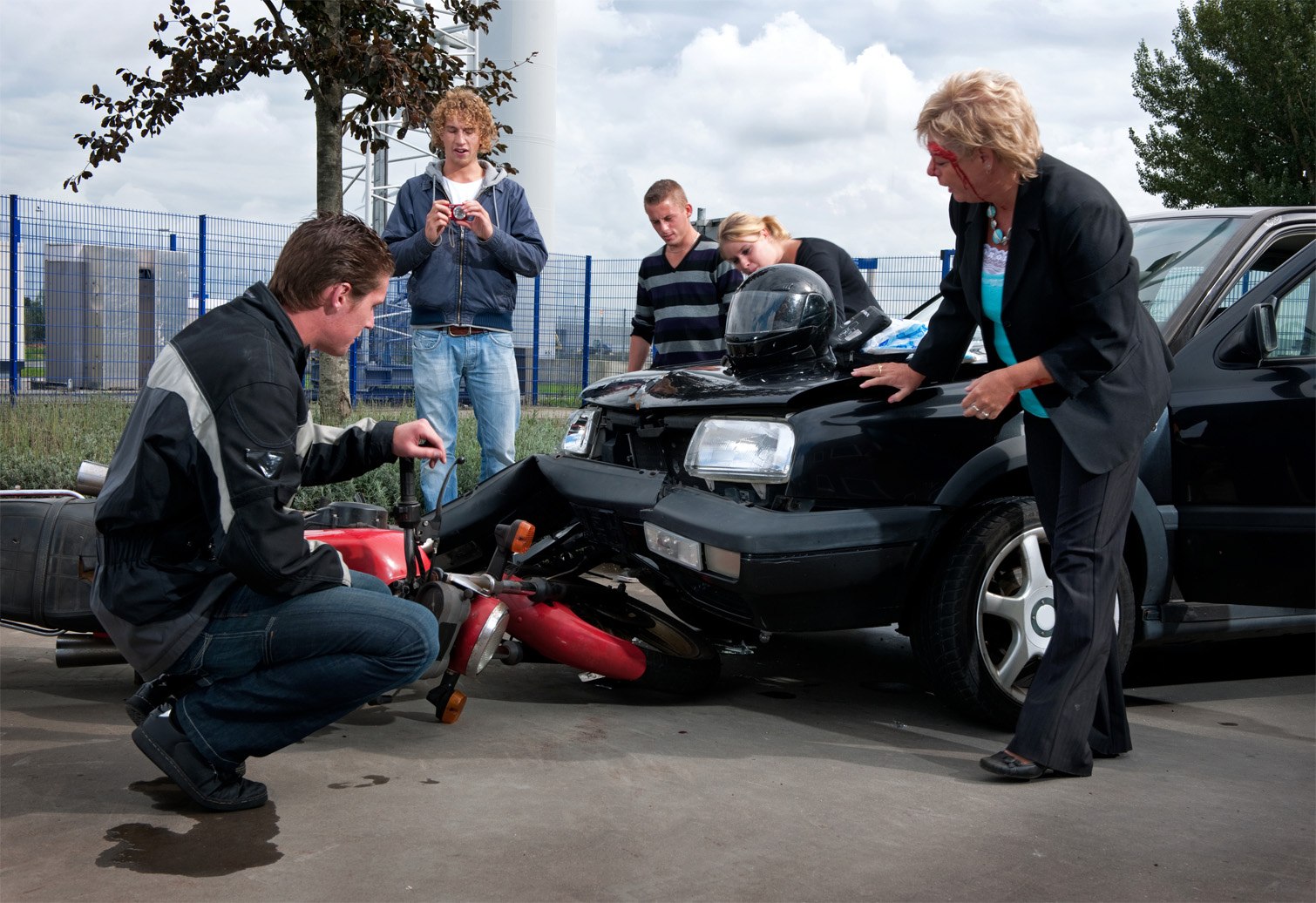
Motorcycle accidents can be life-changing events. Because riders have less physical protection than drivers in passenger vehicles, injuries are often severe and recovery can take time. Knowing what steps to take after a motorcycle accident in California can help protect your health, preserve important evidence and ensure you understand your legal options without feeling overwhelmed during a stressful moment.
This guide explains what to do immediately after an accident and in the days that follow, focusing on safety, documentation and informed decision-making.
Prioritize Safety and Seek Medical Help
The first priority after any motorcycle accident is safety. If you are physically able, move yourself out of traffic to prevent further harm. Turn off your motorcycle if possible and activate hazard lights if they are functional.
Even if injuries seem minor, medical attention is essential. Adrenaline can mask pain and some injuries such as internal bleeding, spinal trauma or concussions may not be immediately noticeable. Emergency responders can evaluate your condition and ensure you receive appropriate care.
Prompt medical treatment also creates a medical record, which can be important later if questions arise about the cause or severity of your injuries.
Understand Why Legal Guidance Matters Early
After addressing immediate health concerns, many riders wonder whether legal guidance is necessary. California motorcycle accident cases can involve complex issues like comparative fault, insurance coverage limits and disputed liability.
Speaking with a qualified Santa Barbara motorcycle accident lawyer early in the process can help clarify your rights and responsibilities under California law. Legal guidance can be especially helpful when dealing with insurance adjusters, understanding deadlines and avoiding mistakes that could affect a future claim.
This step is about information and protection, not rushing into legal action.
Contact Law Enforcement and Request an Accident Report
California law generally requires reporting traffic accidents involving injury or significant property damage. If law enforcement did not respond at the scene, you should still file a report as soon as possible.
An official accident report typically includes:
- Date, time, and location of the crash
- Statements from drivers, riders and witnesses
- Preliminary assessment of fault
- Road and weather conditions
This report can serve as a neutral record of the incident and may be referenced by insurance companies or attorneys later.
Document the Scene and Preserve Evidence
If your condition allows, gather as much information as possible at the scene or shortly afterward. Useful documentation includes:
- Photos of the motorcycle, other vehicles, and road conditions
- Visible injuries and damaged safety gear
- License plates and insurance information
- Names and contact details of witnesses
Keep your helmet, riding gear and motorcycle in their post-accident condition. These items can sometimes provide insight into how the crash occurred.
Avoid posting accident details or photos on social media, as these posts may be misinterpreted or used out of context later.
Notify Your Insurance Company Carefully
Most insurance policies require timely notification of accidents. When speaking with your insurer, provide basic factual information but avoid speculation about fault or injuries.
Insurance adjusters may ask for recorded statements. You are generally not required to provide one immediately. Taking time to understand your situation before giving detailed statements can prevent misunderstandings.
California follows a comparative negligence system, meaning fault can be shared. Even a small statement can influence how responsibility is assigned.
Follow Medical Advice and Track Your Recovery
Ongoing medical care is often necessary after a motorcycle accident. Attend follow-up appointments, follow treatment plans and take prescribed medications as directed.
Keep detailed records of:
- Medical visits and diagnoses
- Treatment costs and prescriptions
- Time missed from work
- Physical limitations or pain levels
These records help create a clear picture of how the accident has affected your daily life and long-term health.
Be Aware of California Legal Deadlines
California has strict time limits, known as statutes of limitations, for filing personal injury claims. In most motorcycle accident cases, the deadline is two years from the date of the accident. Claims involving government entities may have much shorter notice requirements.
Missing a deadline can permanently bar recovery, regardless of how strong the case might be. Understanding these timelines early helps ensure your rights are preserved.
Avoid Common Post-Accident Mistakes
Many riders unintentionally harm their own claims by making avoidable mistakes. These include:
- Delaying medical treatment
- Admitting fault at the scene
- Accepting early settlement offers without full evaluation
- Ignoring follow-up care
- Sharing details publicly online
Taking a cautious and informed approach allows you to focus on recovery while protecting your interests.
Focus on Recovery and Informed Decisions
A motorcycle accident can disrupt nearly every part of your life, from physical health to finances and emotional well-being. Taking the right steps after an accident does not mean being aggressive or confrontational. It means staying informed, organized and mindful of your options.
By prioritizing safety, documenting carefully, following medical guidance and understanding the legal landscape in California, riders can navigate the aftermath of an accident with greater confidence and clarity.