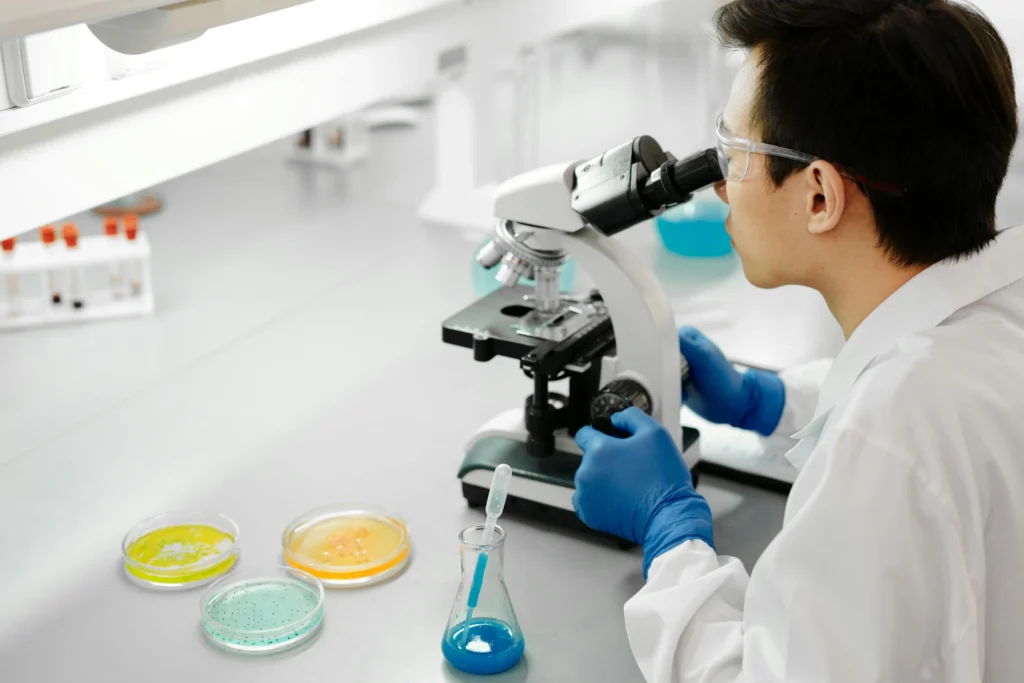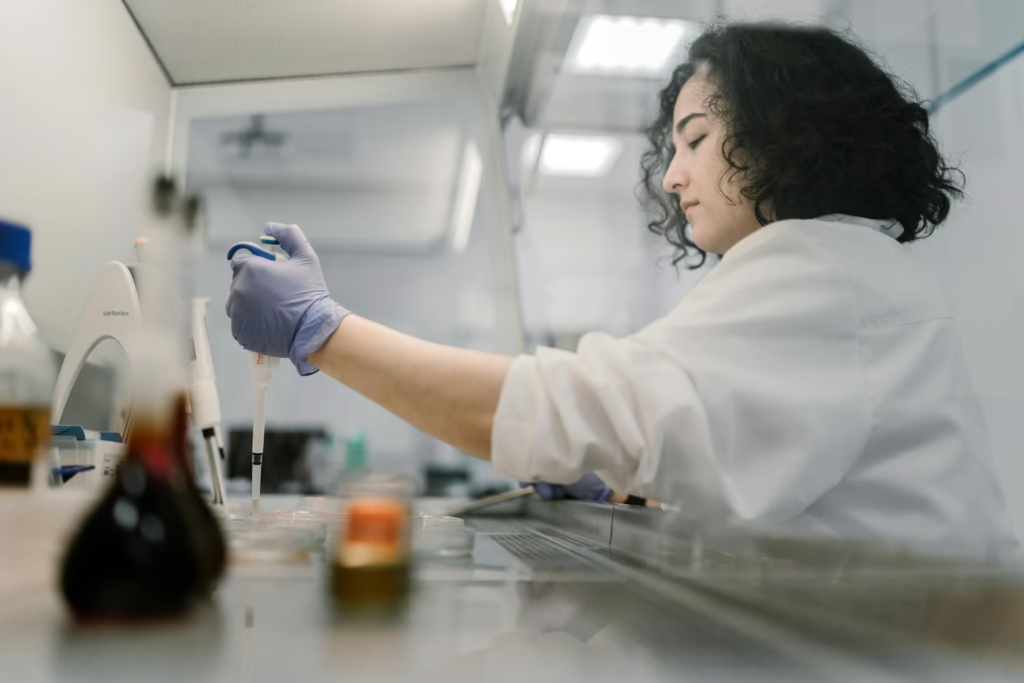
Stem cell therapies are changing the way we think about medicine. They offer hope for conditions that once had no real solutions. But working with stem cells is delicate work. These cells are fragile, sensitive, and easily stressed. Even small mistakes can affect your experiment. That’s why labs are turning to microfluidic cell sorting. It’s a gentle method that isolates cells without damaging them. The cells remain healthy, functional, and ready for research. It might sound technical, but the impact is huge. With healthier cells, experiments are more reliable, and therapies can develop faster.
Why Stem Cell Health Matters
Stem cells aren’t like other cells. They respond quickly to stress. Changes in temperature, rough handling, and even the wrong type of solution can affect them, mostly not in a good way. And when they’re stressed, they might not grow properly. Sometimes, they even die.
In research, this can ruin your results. Unhealthy cells can make it seem like an experiment failed when really, the cells just weren’t happy. Every little detail counts. From how you move them, to the nutrients you provide, timing and care are everything. It can feel tedious. But trust me, it’s worth it. Healthy cells lead to accurate experiments, and accurate experiments lead to meaningful discoveries.
Keeping Stem Cells Happy in the Lab
There are several ways labs try to preserve stem cell health. Controlled environments. Specialized growth media. Gentle pipetting. Even small choices, like when and how often you handle the cells, make a difference.
Traditional methods of separating cells often involve high pressure. They work, yes, but they stress the cells. That’s why microfluidic cell sorting has become so important. It uses low-pressure, gentle channels to separate cells. This keeps the cells viable and functional. And you get the exact populations you need without damaging them.
Other techniques also help. Automated systems reduce handling errors. Temperature-controlled chambers protect cells from sudden shocks. Every step is designed to make cells feel “safe” in the lab environment. When the cells thrive, your research becomes more reliable and your experiments more predictable.
Precision Makes All the Difference
Precision is critical in stem cell research. Not all stem cells are the same. Some are better suited for certain therapies than others. Being able to separate the right type of cells accurately is essential.
With precise techniques, you can study specific cell populations closely. Observe how they grow. Test their responses to treatments. Watch them differentiate into other cell types. Gentle, accurate methods make all of this possible.
Even small gains in precision can have big effects. A few healthy, properly sorted cells can lead to experiments that are more reliable, reproducible, and meaningful. And ultimately, this precision helps in developing therapies that are safer and more effective for patients.
Making Lab Workflows Smarter
Labs today aren’t just focused on accuracy—they’re focused on efficiency too. Tools that protect cells often save you time. Fewer mistakes, fewer repeats, less stress. It may not sound like much, but over weeks and months, it makes a huge difference.
Consistency matters too. Experiments need to be repeatable. When results can be reproduced, research is stronger. Safer too. Gentle methods reduce contamination risks. They protect both you and the cells.
Small workflow improvements add up. Less chaos, fewer surprises, smoother experiments. Combine that with precise cell sorting techniques, and you’re setting up the lab for success. You’re creating an environment where stem cells can do what they’re meant to do. And that’s what research is all about.
Looking Ahead
The potential of stem cell therapies is enormous. But they rely on careful lab work. Every choice you make—from handling, to sorting, to monitoring growth—can affect the outcome. Microfluidic cell sorting has quietly changed the game. It keeps cells healthy and functional. It helps labs work efficiently, reduce errors, and improve precision. And when you focus on care, precision, and innovation, your experiments have a much higher chance of success. Small steps in the lab today can lead to breakthroughs tomorrow. Healthy cells, handled correctly, make all the difference. And that means better experiments. Better experiments mean better therapies. It’s a long process, yes, but one worth every effort.