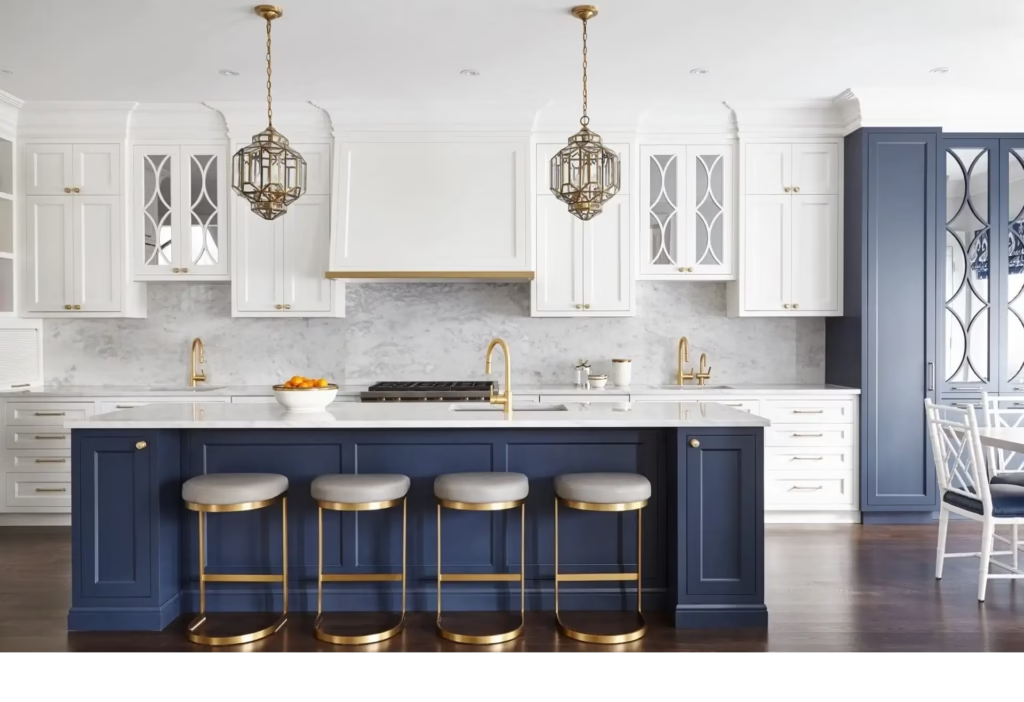
If it feels like everyone is renovating right now, you are not imagining it. A recent Canadian homeowner survey found that 94% plan to stay put over the next year, and many are choosing upgrades over moving, often to improve day-to-day functionality. Another snapshot from late 2024 showed nearly half of Canadians were actively planning, doing, or had recently completed home improvements, with an average expected cost of $19,000.
Renovation costs have also been shifting. Statistics Canada’s Residential Renovation Price Index showed a smaller quarterly increase into early 2025, including a reported decline in Ontario in the first quarter. In other words, the market is still active, but the smartest wins are happening in the planning stage, long before a single tile is cut.
If your project includes a kitchen, this is where early conversations matter most. A quick consult with expert kitchen remodeling contractors can help you pressure-test layout, ventilation, and electrical needs up front, because kitchen choices have a way of cascading into everything else, from flooring transitions to lighting plans.
Start with a one-paragraph scope statement
Before you price anything, write one paragraph that answers three questions:
- What is changing?
- What is staying?
- What does “done” look like?
This sounds simple, but it is the fastest way to stop scope creep. Without it, you will keep making “small” additions that are not actually small. Moving one wall can trigger electrical changes, HVAC adjustments, drywall, trim, paint, and sometimes permits. The scope statement gives you a home base for every decision that follows.
A helpful add-on is a priority ladder: must-haves, nice-to-haves, and “only if the budget allows.” When costs shift, you will already know what gets protected and what gets trimmed.
Build a decision calendar, not just a timeline
Most renovations do not go sideways because people work slowly. They go sideways because decisions arrive late.
Create a decision calendar that lists what must be finalized and when. Here is a practical order that prevents last-minute scrambling:
- Layout and structural decisions first (walls, doorways, openings)
- Rough-ins next (plumbing locations, electrical plan, HVAC and venting)
- Ordered items early (windows, custom cabinetry, specialty fixtures)
- Finish selections last (tile patterns, paint sheen, hardware)
When decisions are made on time, trades can schedule efficiently and you avoid paying for rework. Late decisions often become expensive decisions.
Confirm what is behind the walls before you commit
Older homes can hide surprises, and Toronto-area housing stock has plenty of “character” behind finished surfaces. A responsible plan includes time and budget for discovery.
Examples of common unknowns:
- Uneven subfloors under “perfect” flooring
- Old plumbing that changes the scope of a bathroom refresh
- Electrical limitations that affect lighting and appliance choices
- Moisture history around exterior walls or windows
This is one reason many homeowners keep a contingency. Even if you are doing a cosmetic update, real conditions can force a structural or systems decision.
Choose systems first, then finishes
Finishes are fun. Systems are what make the renovation feel good for the next decade.
Start by locking in the things that are hard to change later:
- Ventilation strategy (especially kitchens, baths, laundry)
- Electrical plan (panel capacity, lighting layout, outlet locations)
- Plumbing layout (fixture placement, drain paths)
- Heating and cooling comfort (airflow, returns, ducting conflicts)
The 2024 Canadian homeowner survey also found energy-efficient renovations are highly favored, with 62% saying they are likely to invest in them to save money over time. That aligns with what many homeowners are prioritizing right now: comfort, operating costs, and performance, not just a prettier look.
Treat permits like part of design, not paperwork
Permits are not a formality. They influence scope, sequencing, and inspection timing.
In Toronto, a building permit is typically required for work that involves structural or material alterations, and for installing or modifying plumbing or heating systems, among other categories. Even if you are “just finishing a basement,” certain triggers like structural changes or plumbing modifications can push it into permit territory.
The main takeaway is not to memorize rules, but to plan for them early. If permit drawings or inspections are required, that affects start dates and trade scheduling. It also affects what you can conceal and when, because inspections often need access before walls close.
Create an allowances strategy that protects your budget
Budgets blow up when allowances are vague. If your contract (or estimate) includes allowances, define them clearly.
A practical allowances strategy:
- Use allowances only for items you have not selected yet.
- Attach a “selection list” that shows what is included and what is excluded.
- Decide how upgrades and credits are handled in writing.
This matters because spending expectations vary widely. While a national survey average might land around $19,000, many kitchen, bathroom, and basement remodels can climb quickly depending on layout changes and materials. Clarity prevents the classic moment where you learn mid-project that your dream faucet was never in the budget.
Plan how you will live through the mess
A renovation plan is not just drawings and finishes. It is also logistics.
A few questions that save real stress:
- Where will you cook if the kitchen is offline?
- Where will pets and kids be during demolition days?
- How will dust be contained and pathways protected?
- If you are in a condo or townhouse, what are the building rules for hours, elevators, and debris removal?
Treat these like design decisions. A temporary kitchenette, clear storage plan, and protected routes can make the difference between “disruptive but manageable” and “why did we do this.”
Put change control in place before the first change happens
Changes are normal. Chaos is optional.
Use a simple change-control rule:
- Every change gets priced and approved in writing before work proceeds.
That includes “small” changes. Swapping a light fixture can trigger different boxes, different spacing, and patching. Moving a vanity can affect plumbing and tile layouts. If you want the renovation to feel calm, you need a process that makes changes visible and intentional.
Keep communication predictable
The fastest way to reduce conflict is rhythm.
A low-drama communication setup looks like this:
- One weekly check-in with a short agenda: what finished, what is next, what decisions are needed.
- A shared list of open questions (who owes what, by when).
- A single place for selections, product links, and approvals.
This is not about micromanaging. It is about reducing decision fatigue and preventing the “I thought you meant…” moments that derail schedules.
A renovation that feels smooth is usually the result of early clarity
Renovations are still one of the most effective ways to improve how a home functions, especially when moving feels out of reach or simply not worth it. And with renovation pricing changes moderating in recent quarters, good planning can help you take advantage of a steadier moment without getting caught by preventable surprises.