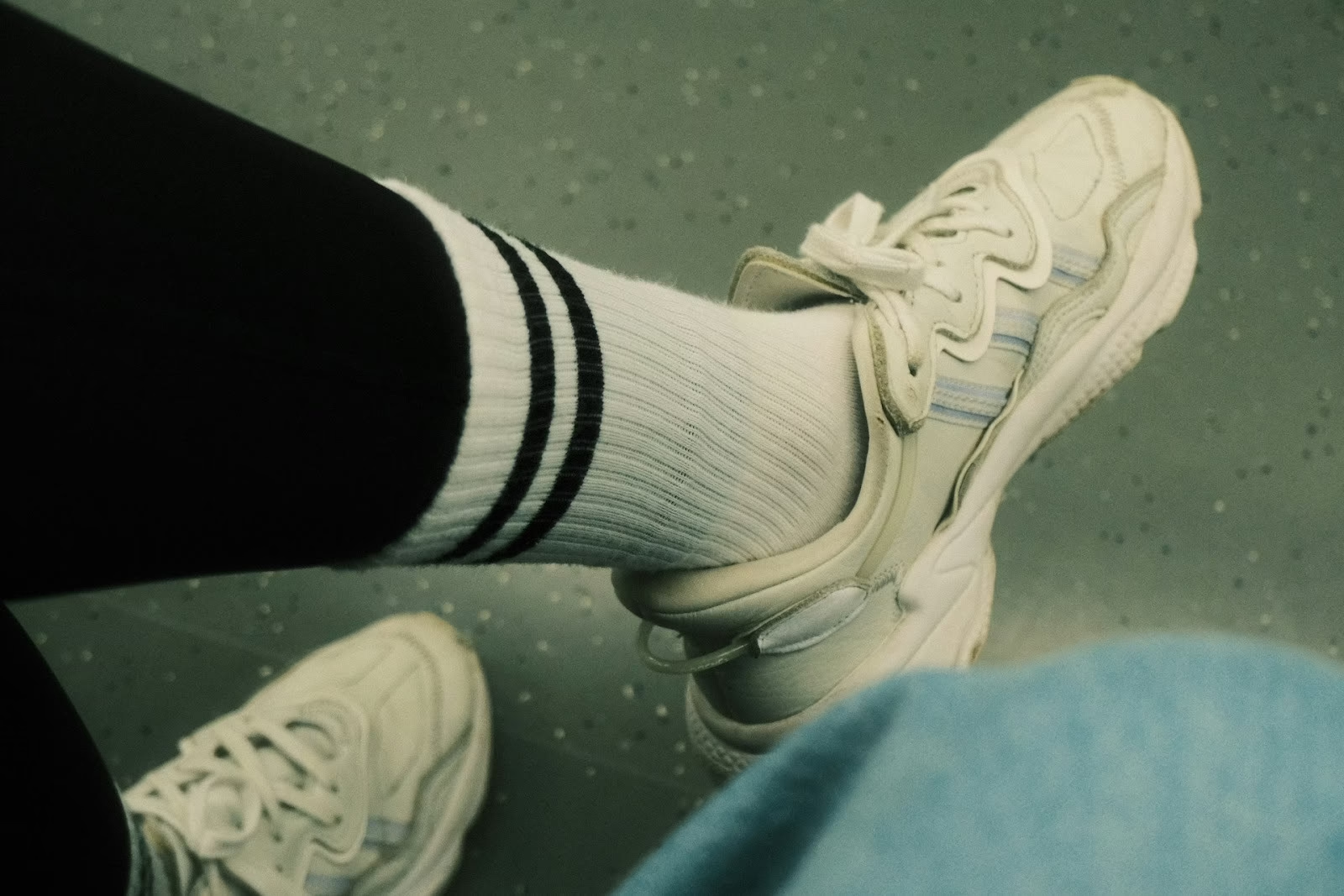
Compression garments are designed to support circulation, enhance comfort, and promote more stable leg function during daily activities. These garments come in different strengths and styles, making them accessible for a wide range of needs and age groups.
Many individuals choose supportive legwear to help manage the effects of long periods of standing, sitting, or traveling, while others use it to maintain comfort as activity levels change with age. Options such as compression socks or compression stockings provide a practical way to promote healthy blood flow and alleviate feelings of leg heaviness.
Understanding who benefits from compression stockings begins with recognizing how everyday habits and life stages influence circulation.
How Does Circulation Change Across Life Stages?
Circulation naturally evolves over time as the body experiences shifts in mobility, activity patterns, and muscle tone. Younger individuals often move frequently throughout the day, while adults with structured work schedules may spend extended periods sitting or standing. As people age, muscles that support leg veins may weaken slightly, making circulation less efficient than it once was. These changes can create sensations of heaviness, restlessness, or fatigue in the legs.
Lifestyle factors also contribute to differences in circulation across age groups. For example, occupations that require prolonged standing can strain the lower legs, while sedentary desk jobs may reduce leg movement. Each stage brings different demands, but compression stockings help maintain comfort and steadiness in the legs regardless of age.
Young Adults and Active Individuals
Young adults and highly active individuals often benefit from compression stockings due to the increased demands placed on their legs. Runners, cyclists, and gym enthusiasts frequently use compression garments to support circulation during and after exercise. These garments help reduce feelings of heaviness or swelling that can occur after high-impact workouts by supporting efficient blood flow in the lower legs.
Travelers also represent a group within this age range who frequently rely on compression. Long flights, road trips, or long work commutes can limit movement and lead to lower-leg stiffness. Compression garments help maintain circulation during these extended periods of stillness, making travel more comfortable and reducing fatigue.
Young professionals who spend long hours on their feet, such as healthcare workers, hospitality staff, or retail employees, may also experience leg strain throughout the day. Compression stockings provide additional support that helps reduce end-of-shift discomfort. Even those who primarily work at a desk may find relief from wearing supportive legwear because it encourages movement of blood back toward the heart during long periods of sitting.
Middle Adulthood and Increasing Daily Demands
As individuals enter middle adulthood, daily responsibilities often increase, accompanied by periods of inactivity or prolonged periods of standing. Many careers involve extended hours at a desk or on the job site, leading to reduced circulation in the lower legs. Compression stockings provide a simple and effective way to promote healthier blood flow and support comfort during long workdays.
Middle adulthood may also bring about lifestyle changes that affect circulation, such as reduced exercise frequency or increased stress. These factors contribute to sensations of tightness or fatigue in the legs by the end of the day. Supportive legwear helps counteract these effects by gently encouraging upward blood movement, reducing the feeling of heaviness that sometimes accompanies demanding schedules.
Pregnancy is another scenario in which individuals may benefit from compression stockings. Weight redistribution and fluid retention can contribute to leg discomfort. Compression provides structured support that helps maintain comfort throughout daily tasks. This stage highlights the wide range of practical uses for compression stockings during middle adulthood.
Older Adults and Maintaining Mobility
Older adults often benefit significantly from compression stockings due to natural changes in circulation, muscle tone, and mobility. As the calf muscles weaken with age, they become less efficient at helping the veins pump blood upward toward the heart. Compression garments offer external support that helps compensate for this reduced efficiency.
Maintaining mobility is a central goal for many older adults. Compression stockings can encourage steadier activity by reducing feelings of heaviness or strain in the legs. This support makes it easier to walk, perform daily tasks, and remain physically engaged. Over time, consistent use of supportive legwear contributes to greater comfort and confidence during movement.
Find the Right Fit for Every Age
Compression stockings serve a valuable purpose for people at all stages of life.
Young adults use them to support active lifestyles and frequent travel. Individuals in middle adulthood rely on them to balance demanding schedules, long work hours, and life transitions. Older adults use them to maintain comfort, mobility, and confidence during daily activities.
Regardless of age, supportive legwear provides a means to promote steady circulation and alleviate leg discomfort. By understanding personal needs and selecting the appropriate level of compression, anyone can reap the benefits these garments offer.