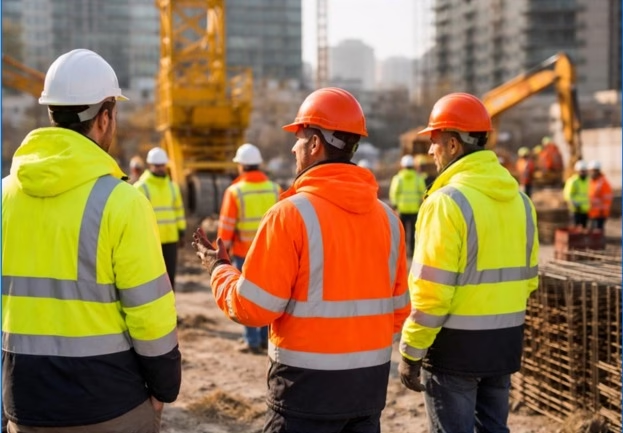
Modern construction projects are increasingly complex. Large commercial developments, residential towers, and infrastructure upgrades often involve multiple contractors working simultaneously—each with different roles, schedules, equipment, and responsibilities. While this collaborative approach improves efficiency and specialization, it also introduces significant safety challenges. In these environments, visibility becomes one of the most critical yet overlooked elements of job-site safety.
High-visibility apparel, particularly Hi Vis Jackets and Hi Vis Sweatshirts, plays a central role in reducing risks across multi-contractor construction projects. These garments are more than just compliance items; they are functional safety tools that help prevent accidents, improve coordination, and establish visual order on busy sites. Understanding how and why they work—and the trade-offs involved in selecting and implementing them—is essential for project managers, safety officers, and real estate developers alike.
The Visibility Challenge in Multi-Contractor Environments
Unlike single-team construction sites, multi-contractor projects bring together electricians, masons, crane operators, HVAC technicians, surveyors, and inspectors, often working side by side. Each group may follow different workflows and safety protocols. This diversity increases the likelihood of miscommunication and visual confusion, particularly in high-risk areas involving heavy machinery, vehicle movement, or limited sightlines.
Low visibility is a contributing factor in many job-site incidents. Poor lighting, dust, weather conditions, and visual clutter can make it difficult for workers and equipment operators to quickly identify people in their surroundings. When multiple contractors wear similar or non-standard workwear, distinguishing one individual from another—or even identifying a person at all—becomes harder. High-visibility apparel addresses this problem by creating immediate visual contrast between workers and their environment.
How High-Visibility Apparel Reduces Accident Risk
The primary function of high-visibility clothing is simple: to make workers easier to see. Fluorescent colors combined with reflective materials increase visibility in daylight, low-light, and nighttime conditions. On multi-contractor sites, this enhanced visibility helps equipment operators, drivers, and fellow workers recognize human presence more quickly, allowing them to react sooner and avoid collisions.
High-visibility jackets, in particular, are effective in environments where workers are exposed to moving vehicles such as forklifts, dump trucks, and cranes. The reflective elements catch light from headlights or work lamps, while bright colors stand out against concrete, steel, and earth-toned surroundings. This visual clarity becomes even more important on large real estate developments where multiple zones are active at once.
In colder months or early morning shifts, layered apparel such as high-visibility sweatshirts and hoodies ensures that visibility is maintained even when workers need additional warmth. Without proper visibility layers, safety can be compromised when outer garments cover reflective vests or brightly colored shirts.
Improving Coordination Across Multiple Teams
Beyond accident prevention, high-visibility clothing improves coordination and site organization. On complex construction projects, quick visual identification of personnel helps streamline operations. Supervisors can locate crew members faster, inspectors can identify authorized workers, and emergency responders can assess situations more efficiently.
Some projects assign different colors or styles of high-visibility outerwear to specific contractor groups. While this approach can enhance organization, it also introduces trade-offs. Customization improves identification but may increase costs and complicate procurement, especially when contractors change or workforce numbers fluctuate. Project leaders must balance the benefits of visual differentiation with the need for flexibility and consistency across the site.
High-visibility apparel also reinforces a shared safety culture. When all contractors adhere to the same visibility standards, it creates a sense of collective responsibility. This consistency sends a clear message that safety expectations apply equally to everyone, regardless of employer or role.
Compliance, Standards, and Practical Decision-Making
Regulatory standards play a major role in determining how high-visibility clothing is used on construction sites. In many regions, safety guidelines specify when and where high-visibility clothing is required, particularly in areas with vehicle traffic or low-light conditions. Compliance is not just a legal obligation; it is a practical framework for reducing risk.
However, meeting minimum standards does not always guarantee optimal safety. Some high-visibility garments meet compliance requirements but lack durability, comfort, or weather protection. On long-term construction projects, uncomfortable or poorly designed apparel may discourage consistent use, undermining its effectiveness.
Decision-makers must consider several factors when selecting high-visibility clothing:
- Environment: Indoor vs outdoor work, exposure to weather, lighting conditions
- Duration: Short-term tasks vs long-term site presence
- Mobility: Tasks requiring flexibility and range of motion
- Climate: Seasonal temperature changes and layering needs
Balancing these factors often involves trade-offs. Heavier high-visibility outerwear provides warmth and durability but may restrict movement. Lightweight options improve comfort but may wear out faster or offer less protection. The best approach depends on the specific demands of the project and the roles of different contractors.
The Role of Comfort and Wearability in Safety Outcomes
One of the most underestimated aspects of safety apparel is comfort. Workers are more likely to wear high-visibility clothing correctly and consistently if it fits well, allows movement, and suits the working environment. In multi-contractor projects, inconsistent usage by even a small group can increase overall risk.
High-visibility sweatshirts and hoodies are often favored in moderate climates or transitional seasons because they combine warmth with flexibility. When workers are comfortable, they are less likely to remove or modify safety garments, preserving visibility throughout the workday.
On the other hand, bulky or poorly ventilated high-visibility jackets may be resisted during physically demanding tasks. This creates a challenge for safety managers: how to enforce visibility standards without compromising productivity or worker satisfaction. In some cases, offering multiple approved options—such as different weights of high-visibility outerwear—can improve compliance while maintaining safety objectives.
Weather, Lighting, and Changing Site Conditions
Construction sites are dynamic environments. Lighting conditions change throughout the day, weather shifts unexpectedly, and work zones evolve as projects progress. High-visibility clothing must perform reliably across these variables.
In low-light conditions such as dawn, dusk, or indoor areas with limited lighting, reflective elements are especially important. During rain, fog, or dust-heavy conditions, bright colors help maintain visibility when contrast is reduced. Cold weather introduces additional challenges, as workers often add layers that can obscure reflective surfaces if not properly designed.
This is where integrated high-visibility outerwear becomes critical. Instead of relying on removable vests, jackets and sweatshirts designed with built-in reflective features ensure that visibility is maintained regardless of layering. The trade-off is typically higher upfront cost, but the long-term safety benefits and reduced need for replacements often justify the investment.
Impact on Project Efficiency and Liability
Safety measures are sometimes viewed as obstacles to efficiency, but in reality, effective visibility practices can improve overall project performance. Fewer accidents mean fewer work stoppages, investigations, and delays. Clear visual identification reduces confusion and helps maintain orderly workflows, particularly when multiple contractors share limited space.
From a liability perspective, consistent use of high-visibility clothing demonstrates due diligence. In the event of an incident, documented safety protocols—including visibility standards—can play a role in insurance claims and legal assessments. Real estate developers and general contractors who enforce uniform safety apparel policies are better positioned to manage risk across their projects.
However, overly rigid policies can also create friction. Contractors may resist requirements that differ from their standard practices or increase their costs. Open communication and collaborative planning are essential to address these challenges. Involving contractors in safety planning discussions helps align expectations and encourages buy-in.
Balancing Cost, Durability, and Long-Term Value
Cost is always a consideration, particularly on large projects with hundreds of workers. High-visibility clothing varies widely in price depending on materials, design, and durability. While lower-cost options may seem attractive initially, they often wear out faster, lose reflective effectiveness, or fail to meet evolving site conditions.
Investing in durable high-visibility clothing can reduce replacement frequency and administrative overhead. It also supports sustainability goals by minimizing waste. The challenge lies in forecasting project duration, workforce turnover, and changing requirements. Flexible procurement strategies—such as bulk purchasing with replenishment options—can help manage these uncertainties.
Decision-makers should also consider indirect costs. An injury caused by poor visibility can far outweigh the savings from choosing cheaper apparel. When evaluated holistically, high-quality visibility solutions often provide better long-term value.
Considering the Broader Impact of Safety Decisions
Safety decisions on construction projects have ripple effects beyond immediate risk reduction. They influence worker morale, contractor relationships, project reputation, and community perception. Highly visible, well-organized sites signal professionalism and care, which can enhance trust among stakeholders and clients.
Moreover, consistent visibility standards contribute to a culture of accountability. When everyone on site is easily identifiable and visibly compliant with safety expectations, unsafe behavior is more noticeable and easier to address. This transparency supports proactive safety management rather than reactive enforcement.
In multi-contractor environments, where responsibility can sometimes feel fragmented, shared safety practices help unify teams under common goals. High-visibility apparel becomes a symbol of collective commitment to safe and efficient project delivery.
Wrapping Up
High-visibility apparel plays a vital role in improving safety across multi-contractor construction projects. By enhancing visibility, reducing accident risk, improving coordination, and supporting compliance, these garments address some of the most pressing challenges of complex job sites. Yet their effectiveness depends on thoughtful selection, consistent implementation, and an understanding of the trade-offs involved.
Balancing comfort, durability, cost, and adaptability is not always straightforward, but considering the broader impact of these decisions leads to better outcomes. For construction managers, safety officers, and real estate developers, investing in appropriate high-visibility clothing is not just a regulatory requirement—it is a strategic choice that supports safer workers, smoother operations, and more successful projects overall.