Coffee is a delicate product. It is constantly conflicting with the elements from harvest to roast. For exporters and importers, this distinction represents the difference between a quality product and a rejected one, which depends on the quality of the beans during the long transit times. That is why selecting the appropriate green coffee packaging is not only a logistical issue, but a very important business decision.
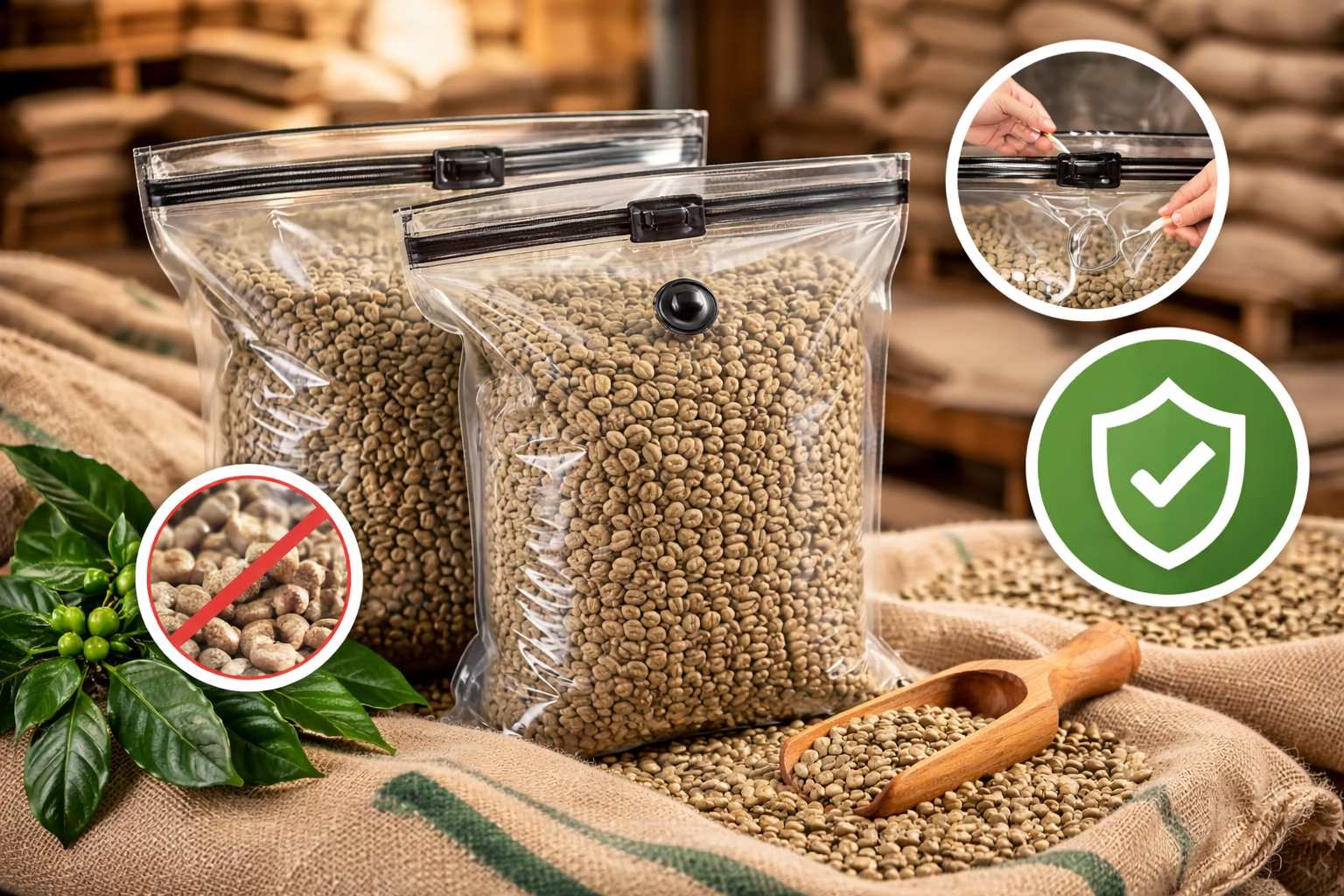
The iconic jute bags are porous and do not provide much protection against changes in the environment. With the specialty coffee market’s focus on superior quality and transparency, the industry is moving quickly towards more sophisticated solutions. Put in hermetic storage bags, the new solution to time-old preservation.
Why Green Coffee Packaging Is So Challenging
Green coffee beans are agricultural products that are alive. They do not stop interacting with their environment even after they have been processed. Extraneous moisture may promote mould growth, whereas the presence of oxygen increases oxidation and the loss of flavor. There are also other risks, such as pests and insects, which can appear when storage is prolonged or when it is shipped abroad.
Conventional packaging materials like jute/ woven polypropylene have little protection. Although permeable, they can take in and release moisture and oxygen and are therefore susceptible to climatic conditions in humid or unstable weather. Such shortcomings are the reason why losses in quality storage are still a key issue throughout the coffee value chain.
Challenge 1: Moisture that Kills Freshness
The greatest issue in coffee logistics is moisture control. Green coffee beans are hygroscopic, i.e., they absorb and lose moisture in the air.
The Risk: When beans are too moist (more than 12%), they will provide a breeding ground for mold and mycotoxins. When they become excessively dry, they lose flavor compounds and are no longer coloured.
The Solution: High-grade hermetic storage bags provide an airtight, moisture-tight seal. These bags also control the water activity of the beans so that it does not change with the humidity outside the container; unlike burlap, which can cause the contents to become dry.
Challenge 2: Oxidation and Flavor Fade
The flavor killer is oxygen. Oxidation decomposes the organic compounds, oils, and sugars that give coffee its specific notes.
The Risk: Prolonged exposure to air causes the coffee to become baggy or develop a one-dimensional taste, drastically reducing the cupping score and value of the coffee.
The Solution: Oxygen transmission is significantly minimized by placing the beans in a hermetic storage bag. This alters the atmosphere to maintain the subtle aromatics and lipids and enables the coffee to be experienced in the roastery as fresh as it was when it was grown.
Challenge 3: Insect Infestation.
The world shipping nightmare is pests. It can ruin a shipment in weeks at sea to weevils and coffee berry borers.
The Risk: The standard fumigation is a good solution, but it includes very harsh chemicals that most organic and specialty consumers would not like.
The Solution: Hermetic storage bags are an option for chemical-free storage. The bags are airtight, so any insects trapped in them soon die of asphyxiation due to a lack of oxygen. It provides 100% organic pest control with no chemical residues on green coffee packaging.
Challenge 4: Durability During Transit
Shipping containers are in unfriendly conditions. Bags are tossed, piled, and fricted.
The Risk: A package that is not well sealed might break open or be cut open with spillage and contamination.
The Solution: The contemporary hermetic liners are built with high puncture resistance. They are made to fit into the normal jute or sisal bags, and the outer sack is combined with the protective barrier of the inner liner.
Conclusion
The shift in the coffee trade, from simple sacks to advanced barrier technology, is transforming the industry. The hermetic storage bags have established themselves as the industry leader in value protection by eliminating the fundamental threats of moisture, oxidation, and pests.
Investing in high-quality green coffee packaging is something that is necessary for roasters and traders who will not compromise quality. And there is no other means of ensuring that the sweat of this farmer is justified in the last cup. To keep your beans in their best state, rely on the world leader in crop preservation, Ecotact, to deliver your crop to your cup.