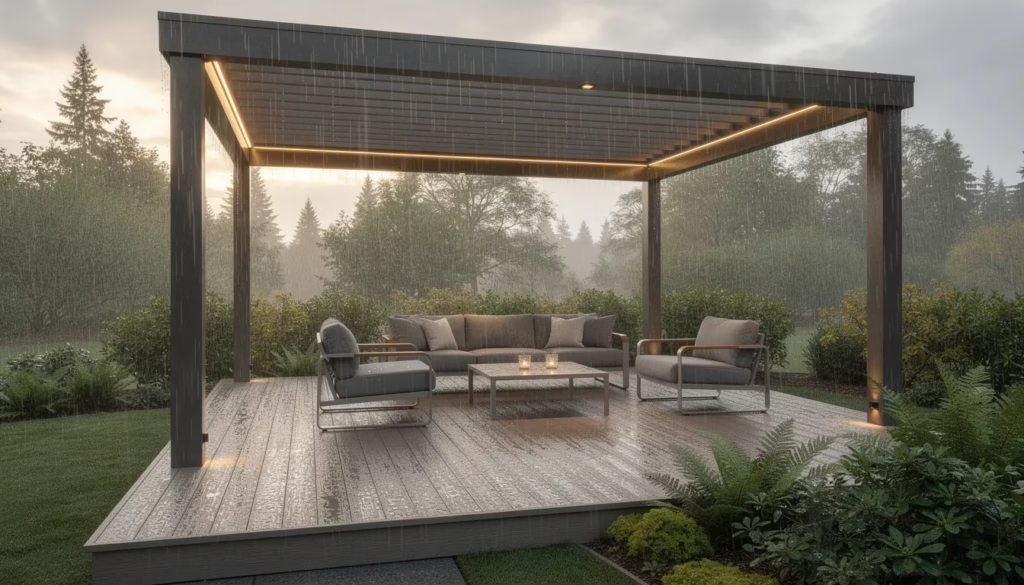
Walk through any open house in Seattle or Bellevue and you’ll notice buyers lingering on covered decks, asking about materials that survive wet winters. Western Washington sees 37 to 40 inches of rain annually, with some coastal spots pushing past 70 inches. In this climate, usable outdoor space has become a genuine real estate differentiator.
Weather-resistant outdoor structures in Washington have evolved into must-have features: covered decks that stay dry during November downpours, louvered pergolas that adjust for sunny afternoons, and durable fencing that doesn’t warp after one winter. Olympic Decks has built a reputation as Seattle-area experts specializing in weather-resistant outdoor construction for Washington homeowners.
The equation is straightforward: investing in weather-resistant materials boosts property value, slashes maintenance costs, and makes homes stand out. When buyers see outdoor living spaces built to withstand decades of Pacific Northwest weather, they pay a premium for that peace of mind.
Why Washington’s Climate Makes Weather-Resistance Critical
The Pacific Northwest climate presents a unique challenge for outdoor structures. Seattle and the Puget Sound region average around 37 inches of rain per year, but coastal areas can exceed 70 inches annually. Even the “drier” months bring persistent moisture and damp air that seeps into everything. This isn’t Arizona. Here, weather conditions actively work against standard construction materials from day one.
Freeze-thaw cycles compound the moisture problem, particularly in Snohomish County and Eastern Washington. Water penetrates untreated wood, freezes overnight, expands, then thaws during the day. Repeat this cycle a few hundred times and you’ve got cracked boards, warped railings, and posts that heave out of alignment. Moisture intrusion leads to rot, mildew growth, and peeling finishes within just a few seasons.
Coastal wind exposure near the Strait of Juan de Fuca and along Puget Sound adds another layer of stress, where gusts can loosen fasteners and damage poorly built pergolas and fencing. Western Washington demands moisture resistance, while Eastern Washington throws hotter summers and genuinely cold winters into the mix. Without proper weatherproofing, outdoor spaces remain comfortable only during June through September. That’s barely four months of usability.
Weather-resistant outdoor structures solve these problems by controlling moisture penetration, resisting thermal movement, and extending usable seasons into fall and winter.
Weather-Resistant Features That Add Real Value
Understanding which upgrades actually matter to Washington buyers requires looking at specific features rather than vague promises. The right combination of durable materials, smart design, and quality craftsmanship transforms outdoor spaces from maintenance headaches into genuine extensions of your home.
Materials That Matter
Composite decking has become the gold standard for Pacific Northwest applications. Unlike traditional pressure-treated lumber, composite materials resist rot, absorb minimal moisture, and typically deliver 25-plus years of service with minimal maintenance. The boards don’t splinter, don’t require annual staining, and maintain their visual appeal through winters that would destroy standard wood. Beneath the visible surface, moisture-resistant fastening systems and weather-resistant sealants on wood elements provide crucial protection in areas like Bellevue, Tacoma, and Everett where rain finds every gap.
Louvered Roofs
These adjustable systems feature slats that open for natural light on clear days and close tight during sudden Seattle showers, converting standard decks into all-weather outdoor rooms. The ability to control sunlight and rain protection makes covered patios functional regardless of what the sky is doing. In urban markets where outdoor square footage commands premium pricing, the investment return is substantial.
Durable Fencing
Naturally rot-resistant cedar, low-maintenance vinyl, and composite options resist warping and fading in coastal air. Construction details matter: deeper posts, proper drainage, and reinforced corners handle Pacific Northwest storms while maintaining curb appeal years later.
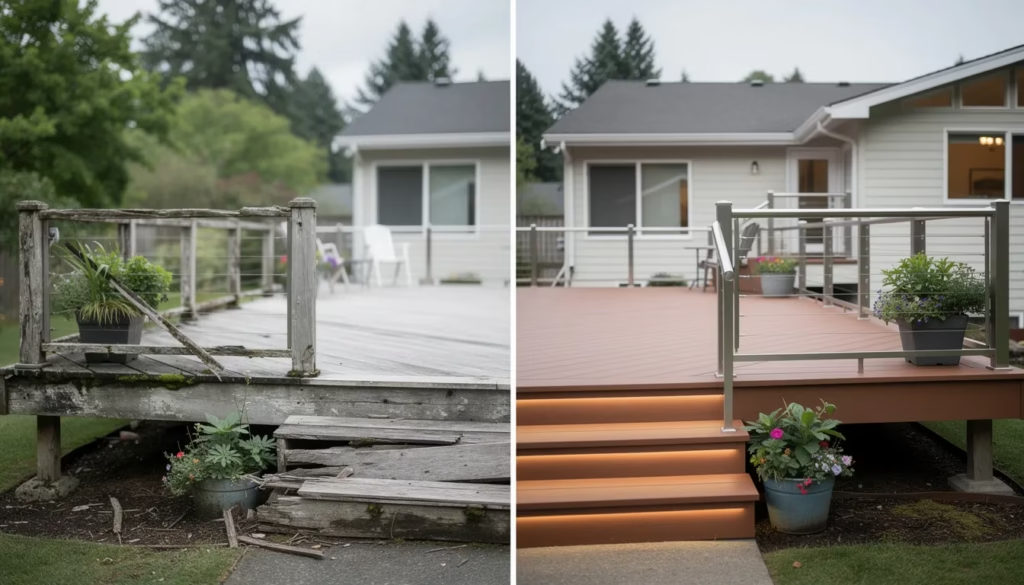
Residential deck rehabilitation offers a smart weatherproofing investment for homeowners with existing structures. Upgrading older wood decks in the Puget Sound region to composite boards, new railings, and covered structures delivers excellent value while dramatically improving durability.
The Property Value Payoff
Outdoor improvements consistently rank among top ROI projects in Washington, with quality decks and covered outdoor areas typically recovering 60 to 80 percent of their cost at resale. That’s a solid return, but the key qualifier is quality. Cheap builds with poor materials don’t command the same premiums.
Washington real estate data shows that homes featuring covered decks or well-designed outdoor living spaces often sell faster and for higher prices than comparable properties without them. Buyers in the Puget Sound region specifically prioritize weather-resistant outdoor structures because they understand the climate. A covered, weather-resistant deck means outdoor dining from October through May, not just during a brief summer window.
Appraisers notice these features too. Composite decking, louvered roofs, and long-lasting fencing influence condition ratings and quality assessments. In competitive markets like Seattle and Bellevue, these details can shorten time on market by creating memorable listing photos and standout open house experiences. Weather-resistant outdoor structures have become core components of move-in-ready homes that serious buyers actively seek out.
Conclusion: A Smart Bet on Lifestyle and Long-Term Value
Washington’s challenging climate and growing demand for weather-resistant outdoor structures point in one clear direction. Homeowners who invest in durable outdoor living spaces protect their home’s architecture, reduce long-term maintenance burdens, and extend functional living area into the yard. These aren’t vanity projects. They’re practical improvements that deliver both lifestyle benefits and financial returns.
The appeal works on multiple levels: more dinners outside under a louvered roof even when the forecast looks iffy, less worry about rot and repainting, and stronger positioning when it’s time to sell. Whether it’s a full pergola installation, covered patio addition, or deck rehabilitation that transforms an aging outdoor area, the investment pays dividends in daily enjoyment and eventual resale.
Take a critical look at existing outdoor structures. Washington’s climate demands specialized solutions built specifically for these conditions.