Installing a new heating system is the most effective means of enhancing comfort and efficiency in a home. It often happens that homeowners are not sure of what goes on during the installation process, especially if they are installing heating in their homes for the first time. Experts ensure that the ḫeating installation in Plano, TX, is handled efficiently and effectively.
Understanding what you are getting into can help you prepare your home as well as prevent any last-minute surprises. You will know what you’re facing, including the time it takes and the end results and benefits this will bring to your family:
1. Initial Home Evaluation and System Selection
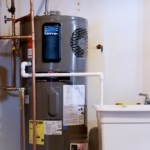
Before commencing any work, a technician will visit your home to evaluate your heating requirements and check your existing equipment. Based on the size of your home, insulation levels, and existing ductwork, he will provide you with advice about the ideal capacity of the equipment you will need. You may discuss various possibilities, such as energy-saving boilers or heat pump systems, according to your budget.
The technician discusses details like compatibility with a thermostat, level of noise production, and long-term costs. Once you’ve identified a unit that meets your needs, they will then outline a timeline for the project.
2. Safe Removal of the Old Heater
The first thing the technicians will do during the installation day is disconnect the power source as well as the gas line to remove the previous system safely. The removal of the system will include detaching the unit from the ducts before removing it, without causing any damage to your house.
If the expert recognizes that the duct connections and old parts on the HVAC setup appear worn out, this will give them an opportunity to repair and replace the components. Performing the appropriate prep work will ensure that your new HVAC system functions properly for years to come.
3. Installing the New Heating System
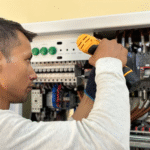
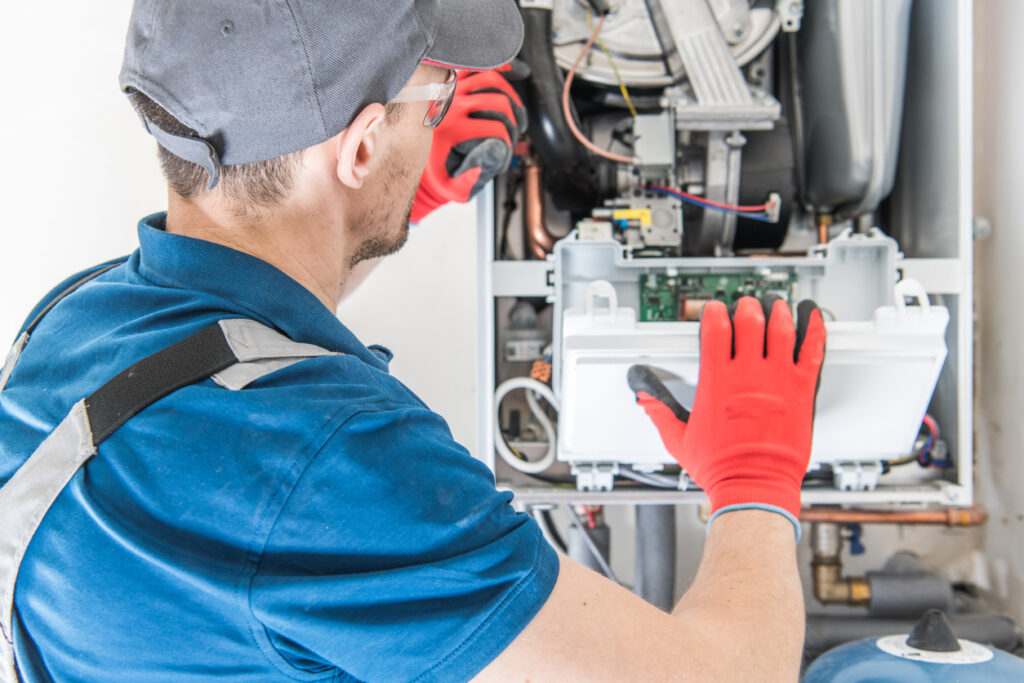
The new unit is placed, leveled, and installed securely. All electrical wires, gas pipes, and condensate drains are connected by the tech. Contemporary systems have advanced capabilities that must be installed just so to function properly. Once it has been installed, it will then be connected to your ducting system. Each connection is double-checked to prevent air leaks.
4. Testing, Calibration, and System Setup
Once the unit is in place, the installers power on the system in an effort to ensure that the fuel delivery system, electrical components, and heating elements are in good working condition. The installers also make sure that your entire house has access to the heated air distribution and that the thermostat is accurate.
The technician also tunes performance parameters like fan speed and temperature matching. You shall be shown a comprehensive step-by-step procedure on the use, programming, and maintenance of your new heating installation.
5. Final Clean-Up and Ongoing Support
Professionals are responsible for the cleaning of the working area as well as the elimination of any debris, and ensure that your home remains as clean as it was when they arrived. They can also clarify the scope of the warranties and services to which you are entitled for further maintenance.
Sometimes, homeowners choose a heating repair in Plano, TX, to ensure their comfort, but a new system will emphasize a complete replacement rather than repairing. With proper service, your new heater will operate well for a long time.
Conclusion
It helps to understand the process of installing a heating system, as this allows a person to feel confident in the process as well. A professional knows the method to follow, and it includes assessment, removal, and then the process of installing, testing, and final cleanup.
CTA
If you are planning a new heating upgrade, reach out to a trusted local expert today. Professional guidance from ClassicABC ensures you get the right system customized to your home and comfort preferences. Start the process now and enjoy dependable warmth all season.
FAQ
1. How long does a heating installation take?
Most conventional setups can be achieved in a single day, based on your home’s configuration and the particular type of installation that is being done. In cases where duct repair is necessary, installation will be accomplished over a slightly extended period.
2. What should I do to prepare before installation?
This will make it easier for the expert to get into your equipment. If you have pets or kids, make sure they are out of your installation area. Make a request for anything that your gadget installation professional might require before coming.