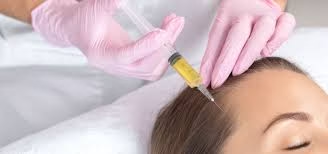
Hair thinning, early greying, and signs of skin ageing affect many adults today. These changes can lower confidence and affect appearance. You may notice hair shedding, reduced volume, fine lines, or uneven skin texture despite using multiple care products.
PRP treatment offers a doctor-led, science-backed solution. Unlike topical products, PRP works using your own blood. Each injection contains 5 to 10 times as many platelets as a normal blood sample, delivering concentrated growth factors to stimulate natural healing.
If you want gradual and natural improvement without surgery, understanding the science behind PRP treatment in Chennai is essential. This blog explores how PRP works, its history, and why it is effective for both hair restoration and skin rejuvenation.
The Science Behind PRP
PRP, or Platelet-Rich Plasma, is not just a recent aesthetic trend. Its foundation lies in decades of medical research and clinical application. Understanding its science and history highlights why it is effective.
History and Development of PRP
- 1970s–1980s: PRP was first investigated in general medicine for wound healing, bone regeneration, and surgical recovery. Researchers observed that platelets release proteins called growth factors that stimulate tissue repair.
- 1990s: Sports medicine adopted PRP for tendon and ligament injuries, helping athletes recover faster and naturally.
- Early 2000s: Dermatologists began experimenting with PRP for hair loss and facial rejuvenation. Clinical trials showed promising improvements in follicle activity and skin texture.
- Present Day: PRP is a standard treatment in aesthetic dermatology. Doctors now understand the optimal platelet concentrations, injection techniques, and session intervals to achieve consistent results.
This evolution shows that PRP is scientifically grounded, combining regenerative medicine principles with practical dermatology applications.
PRP For Hair Restoration
Hair loss occurs when follicles weaken due to genetics, hormones, stress, or scalp trauma. PRP addresses these causes by activating dormant follicles, improving blood circulation, and stimulating collagen production in the scalp.
Key benefits of PRP for hair:
- Reactivates dormant hair follicles
- Strengthens existing hair shafts
- Reduces hair shedding
- Encourages new hair growth naturally
- Improves scalp health and blood flow
How PRP Works for Hair:
- Blood is drawn and processed to concentrate platelets
- Platelet-rich plasma is injected into the scalp
- Growth factors signal follicle cells to regenerate and enter the growth phase
- Enhanced blood flow nourishes hair roots, improving thickness and density
PRP For Skin Rejuvenation
PRP improves skin quality by stimulating collagen production and repairing damaged cells. It is ideal for patients who want natural and subtle improvements without invasive surgery.
Skin Concerns PRP Treats:
- Fine lines and early wrinkles
- Uneven skin tone
- Mild pigmentation and age spots
- Acne scars and minor textural irregularities
- Dullness due to reduced circulation
Mechanism of Skin Rejuvenation:
- Stimulates collagen and elastin synthesis, enhancing firmness and elasticity
- Encourages cell repair and renewal, reducing dullness and improving skin texture
- Improves blood supply, delivering nutrients for a natural glow
- Supports wound healing, making it effective for minor scars and post-acne marks
Factors That Influence PRP Effectiveness
Several factors determine how effectively PRP works for hair restoration and skin rejuvenation. Understanding these helps set realistic expectations and ensures better results. Effectiveness depends on patient-specific conditions, treatment protocols, and practitioner expertise.
Patient Factors
Your age, health, and stage of hair or skin condition directly influence PRP outcomes. Healthier and younger tissues respond faster, while advanced ageing or follicle damage may require more sessions.
Key points:
- Age: Younger patients usually see quicker results due to active follicles and higher collagen levels.
- Overall Health: Conditions like diabetes, hormonal imbalances, or poor circulation can slow healing.
- Stage of Hair Loss/Skin Ageing: Early-stage thinning or mild skin ageing responds better; advanced baldness or deep wrinkles may need complementary therapies.
- Lifestyle Habits: Smoking, stress, and diet affect blood flow and tissue regeneration, influencing results.
Treatment Protocols
PRP is highly procedural. Correct preparation, session frequency, and injection technique play a major role in effectiveness.
Key points:
- Number of Sessions: Typically 3–6 sessions, spaced 4–6 weeks apart, optimise growth and rejuvenation.
- PRP Preparation: Higher platelet concentration improves growth factor delivery. Quality centrifugation ensures maximum efficacy.
- Injection Technique: Precision in targeting follicles or skin layers ensures that growth factors reach the right tissues.
- Follow-Up: Periodic booster sessions support long-term maintenance and stronger results.
Clinic and Practitioner Expertise
The success of PRP depends heavily on the experience and skill of the dermatologist. Proper handling and clinical protocols reduce complications and maximise results.
Key points:
- Qualification and Experience: Dermatologists trained in PRP techniques ensure safety and effective outcomes.
- Clinical Standards: Sterile procedures, quality equipment, and adherence to protocols preserve platelet activity.
- Customised Plans: Individual assessment allows personalisation of session intervals, injection sites, and maintenance schedules.
Safety and Side Effects
PRP is minimally invasive and safe because it uses your own blood. Adverse reactions are rare.
Common minor side effects:
- Temporary redness or swelling at injection sites
- Mild tenderness or bruising
- Scalp sensitivity after hair treatment
Precautions:
- Avoid PRP if you have active infections, blood disorders, or are pregnant
- Always consult a qualified dermatologist for treatment planning
Doctor supervision ensures safe application and optimised outcomes.
Choosing The Right Clinic For PRP in Chennai
Not all PRP clinics are the same. Look for clinics where procedures are dermatologist-led, use modern equipment, and follow strict hygiene and protocol standards. A proper consultation ensures treatment is tailored to your needs.
Key considerations:
- Dermatologist-Led Procedures: Ensures correct diagnosis, proper injection technique, and safe handling of blood and PRP.
- Equipment Quality: Modern centrifuges, sterile syringes, and clinical-grade preparation ensure platelet integrity.
- Treatment Protocols: Well-defined session plans, including booster treatments and monitoring, improve results.
- Follow-Up Care: Continuous monitoring allows adjustment of session frequency and personalised guidance on post-treatment care.
- Transparency and Guidance: Clinics should explain the procedure, expected results, and potential side effects clearly.
Conclusion
PRP treatment is a scientifically backed, minimally invasive solution for hair thinning and early signs of skin ageing. It stimulates your body’s own healing mechanisms to produce natural results.
Consistency, proper session planning, and dermatologist-led supervision are key to achieving optimal outcomes.
If you want safe and gradual improvement for hair or skin, PRP treatment in Chennai offers a personalised, evidence-based option. Consulting a qualified dermatologist helps tailor the treatment to your individual needs.