Imagine looking out your office window at the city skyline. The view is crystal clear, but the glass itself is quietly working, harvesting sunlight and converting it into electricity to power the building. This isn’t a scene from a sci-fi movie; it is the very near future of energy technology. As we search for cleaner, more efficient ways to power our lives, innovations like Australian Solar Installations are moving beyond heavy, black rooftop tiles. We are entering an era where our infrastructure itself becomes the power source.
The Invisible Revolution
For decades, solar power has been synonymous with opaque, silicon-based panels. While effective, they have always required dedicated space—usually rooftops or large fields. Transparent solar panels change this dynamic entirely.
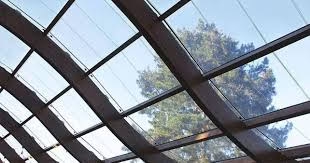
This technology creates a “photovoltaic glass” that gathers energy from the non-visible parts of the light spectrum, such as ultraviolet and infrared light, while letting visible light pass through. This means any glass surface—from a skyscraper’s windows to your car’s windshield or even your smartphone screen—could potentially generate power without obstructing your view.
A New Wave of Energy Down Under
Australia has always been a sun-drenched leader in renewable energy adoption. However, the aesthetic and structural limitations of traditional panels have sometimes slowed integration in luxury or high-density areas. This is where the conversation is shifting. We are seeing a surge of interest in specific locales, with homeowners and developers actively investigating options for solar panels on the hope island.
Hope Island, known for its upscale living and waterfront properties, represents the perfect use case for this technology. Residents want sustainability without compromising the sleek, modern look of their homes. Traditional black panels might clash with architectural designs, but transparent options offer a seamless solution.
The industry surrounding Australian Solar Installations is taking note of this shift. Installers and tech developers are recognizing that the next phase of growth isn’t just about efficiency; it’s about versatility. Whether it is a retrofitted office building in Brisbane or a new luxury build requiring solar panels on the hope island, the demand is moving toward solar that blends in rather than stands out.
Why Transparent Solar Matters
The benefits of this technology extend far beyond just looking good. If we can turn every window into a power source, the potential for energy generation is massive.
Urban Energy Generation
Cities are full of vertical glass surfaces. Traditional solar relies on horizontal roof space, which is limited in high-rise environments. Transparent solar turns the sides of buildings into power plants, significantly reducing a city’s reliance on external power grids. This is a major focus for future Australian Solar Installations.
Electric Vehicles
Imagine an electric car that charges itself while parked in the sun, not just through a roof panel, but through its windows and windshield. It could extend the driving range significantly, addressing one of the biggest hurdles for EV owners.
Smart Devices
On a smaller scale, your phone or tablet could trickle-charge simply by sitting on your desk near a window or being used outdoors.
Challenges to Overcome
Despite the excitement, the technology is still maturing. Currently, transparent solar panels are less efficient than their opaque counterparts. Because they let visible light pass through, they naturally capture less energy. Researchers are working hard to boost this efficiency without sacrificing transparency.
Cost is another factor. As with any cutting-edge tech, early adoption is expensive. However, as manufacturing scales up and demand grows—driven by markets like those seeking solar panels on the hope island—prices are expected to drop. Companies specializing in Australian Solar Installations are closely monitoring these metrics, waiting for the tipping point where the cost-benefit analysis makes sense for the average consumer.
Conclusion
The potential for transparent solar is limitless. It promises a world where renewable energy is woven into the fabric of our daily lives, invisible yet essential.
From the high-rises of Sydney to the residential needs of those installing solar panels on the hope island, the desire for cleaner, more integrated energy solutions is clear. As the technology improves, we can expect Australian Solar Installations to evolve, offering solutions that turn our windows, screens, and cars into active participants in the green energy revolution.