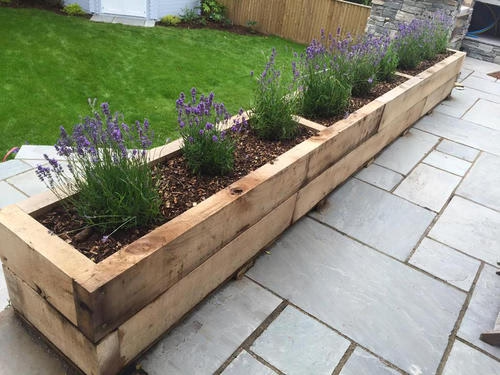
Gardening is one of the most rewarding hobbies out there, but let’s be honest—it can be tough on your knees and back. Whether you are dealing with poor soil quality or just want to save yourself some physical strain, raised garden beds are the perfect solution. They offer better drainage, easier access, and a chance to curate the perfect soil mix for your plants. If you want a solution that stands the test of time, choosing Concrete Sleepers in Adelaide is a smart move for any home gardener.
Unlike timber, which eventually rots or bows under pressure, concrete offers a permanent, stylish structure that looks great year-round. Here is how you can build your own using materials from Retaining Wall Industries.
Planning Your Raised Flower Bed
Before you start digging, you need a plan. The success of your garden depends heavily on location. Most vegetables and flowers love the sun, so pick a spot that gets at least six hours of direct sunlight a day.
Next, think about the size. You want your bed to be wide enough to grow what you want, but narrow enough that you can reach the center without stepping into the bed and compressing the soil. A width of about one meter is usually ideal for accessibility.
Selecting Your Materials
While timber sleepers have a rustic charm, they often succumb to termites and moisture, especially in our climate. This is where Concrete Sleepers in Adelaide shine. They are durable, rot-proof, and provide a clean, modern aesthetic to your landscaping.
When sourcing your materials, quality matters. You want sleepers that are reinforced and designed to handle the weight of wet soil. Retaining Wall Industries offers a fantastic range of robust sleepers that are perfect for this exact purpose. Their products are designed to last, meaning you won’t have to rebuild your garden bed in five years.
Step-by-Step Construction Guide
Building a raised bed might seem like a heavy construction job, but it is quite manageable with a bit of preparation.
1. Prepare the Ground
Mark out the perimeter of your bed using string and stakes. Clear away any grass or weeds and level the ground. A level base is crucial for stability; if your foundation is wonky, your walls will be too.
2. Set Your Posts
Dig holes at the corners (and intervals along the length if it’s a long bed) for your steel posts. These posts will hold the sleepers in place. Concrete them in and ensure they are perfectly vertical using a spirit level.
3. Install the Sleepers
Once your posts are set and the concrete has cured, you can slide your sleepers into place. This is the satisfying part! If you are using products from Retaining Wall Industries, you will find they slide into the steel uprights securely. Ensure the first sleeper is level before adding the next one on top.
Filling and Planting
With the structure built, it’s time to fill it up. Don’t just dump plain dirt in there. Create a nutrient-rich environment by using a mix of quality topsoil, compost, and organic matter. This ensures your plants get the best start possible.
Because you are using Concrete Sleepers in Adelaide, you don’t need to worry about lining the sides to prevent rot, which is a common extra step with timber. You can plant right up to the edge. Choose plants that suit the depth of your bed; root vegetables need deep soil, while herbs and lettuces are happy with shallower depths.
Maintenance Tips
Raised beds generally require less maintenance than in-ground gardens, but they aren’t maintenance-free.
- Watering: Raised beds drain better, which is good, but it also means they can dry out faster in summer. Keep an eye on moisture levels.
- Mulching: Add a layer of mulch on top to retain water and suppress weeds.
- Fertilizing: Because you can plant more intensively in raised beds, your plants might use up nutrients faster. Top up with compost seasonally.
Conclusion
Building a raised garden bed is a weekend project that pays off for years to come. By opting for durable materials like Concrete Sleepers in Adelaide, you are investing in a low-maintenance, high-reward garden feature.
Ready to get your hands dirty? Head over to Retaining Wall Industries to grab your supplies. With the right materials and a little bit of effort, you will be harvesting your own veggies or enjoying beautiful blooms in no time.