The Barossa Valley isn’t just a place on a map; it’s a sensory landscape, a historical treasure trove, and for many, the starting point of a lifelong romance with wine. Located in South Australia, this region is globally renowned for its bold Shiraz and rich winemaking heritage. But reading about it is one thing; experiencing it is entirely another. Embarking on Barossa Wine Tours offers more than just a day out drinking—it provides an immersive education that can transform a casual interest into a deep, enduring passion.
A Feast for the Senses
Wine is rarely just about the liquid in the glass. It is about the context: the sunlight hitting the vines, the smell of damp earth in the cellar, and the crunch of gravel underfoot. Taste The Barossa understands that these sensory details are what anchor memories.
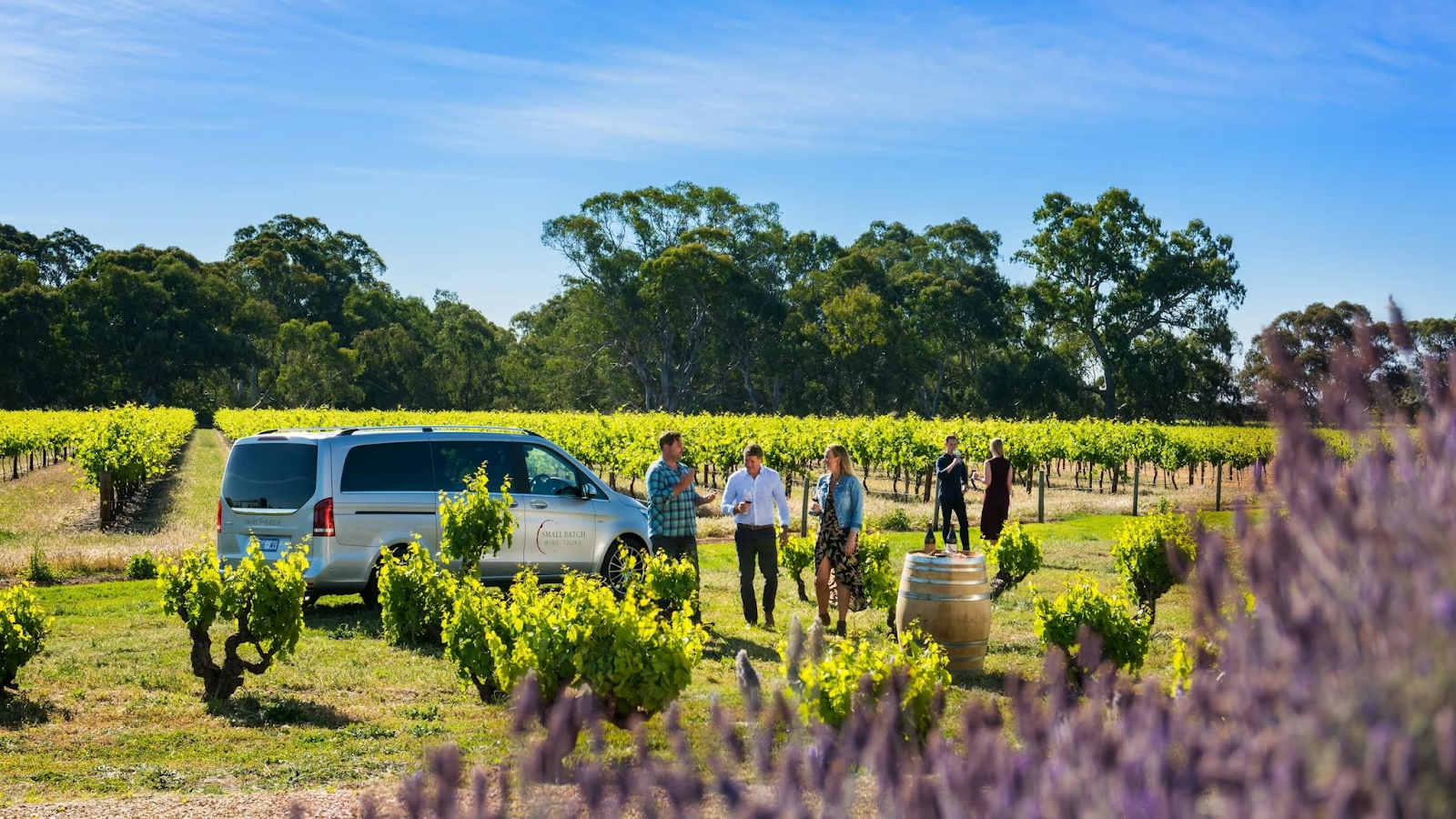
When you step off the bus and into a vineyard, the air smells different—sweeter, perhaps, or tinged with eucalyptus. You see the gnarled old vines, some of the oldest in the world, standing as silent witnesses to generations of winemaking. Tasting a vintage right where it was grown connects the flavor to the land in a way that buying a bottle at a local liquor store never could. This sensory immersion creates a profound appreciation for the craft, making every sip feel like a story unfolding on your palate.
Learning from the Experts
One of the most compelling reasons to join Barossa Wine Tours is the access to knowledge. It is easy to feel intimidated by wine jargon—tannins, terroir, acidity. However, on a tour, these concepts are demystified by the people who know them best.
Winemakers and expert guides are often eager to share their craft. They don’t just pour wine; they explain the why and how. You might learn why a particular hillside produces spicier grapes or how oak barrels influence the vanilla notes in your Cabernet. This educational component changes how you approach wine forever. Suddenly, you aren’t just drinking red or white; you are recognizing the influence of the season, the soil, and the winemaker’s choices. Taste The Barossa prides itself on making this expertise accessible, ensuring that everyone from novices to connoisseurs walks away with a deeper understanding.
Discovering Your Palate
Many of us stick to what we know—maybe a safe Sauvignon Blanc or a reliable Merlot. A tour shakes up that routine. It forces you out of your comfort zone in the most delightful way possible.
By sampling a flight of different varietals side-by-side, you start to identify what you actually like, rather than what you think you should like. You might discover a love for Grenache you never knew existed or realize that you prefer the crispness of a Riesling over a Chardonnay. Barossa Wine Tours act as a curated journey of self-discovery for your taste buds. This exploration gives you the confidence to order different wines at dinner parties or restaurants, expanding your horizons long after the tour ends.
Community and Connection
Wine has historically been a communal beverage, meant to be shared. There is a unique camaraderie that forms on a tour bus. You start the day as strangers and end it comparing notes on your favorite tastings.
Sharing a bottle or a tasting paddle encourages conversation. It breaks down barriers. You laugh over shared surprises and debate the merits of a particular vintage. These shared moments solidify the experience. When you open a bottle of Barossa wine years later with friends, you aren’t just serving a drink; you are sharing a memory of that sunny afternoon with Taste The Barossa, where the laughter was as abundant as the wine.
Conclusion
Ultimately, a visit to the Barossa Valley is a catalyst. It moves wine from being a simple beverage to being a subject of fascination. The combination of sensory beauty, expert knowledge, personal discovery, and social connection creates a powerful imprint.
Whether you are a complete beginner or a seasoned enthusiast, Barossa Wine Tours offer a pathway to a deeper appreciation of viticulture. You leave not just with a few bottles in your bag, but with a newfound respect for the art of winemaking—a respect that often blossoms into a lifelong love affair with the grape.