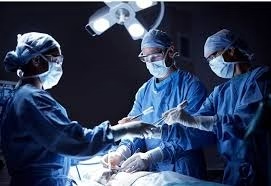
The operating room is a high-stakes environment where speed, precision, and teamwork directly impact patient safety. In the middle of that coordinated effort is the surgical scrub tech, the professional responsible for maintaining sterility, anticipating the surgeon’s needs, and ensuring the right instruments are ready at the right time. If you are exploring healthcare careers and want a role that is hands-on, fast-paced, and mission-critical, this path is worth serious consideration.
If you are looking for a structured route into the operating room, MedicalPrep can help you take the next step with career-focused training, skill-building support, and program guidance. Many students also begin by researching How to Become a Surgical Technologist to understand timelines, education requirements, and what to expect from training before choosing the right learning path.
What Is a Surgical Scrub Tech?
A surgical scrub technician (often called a scrub tech) is a surgical team member who works directly in the sterile field. Their primary responsibility is to support the surgeon and sterile team during procedures by preparing and managing sterile instruments, supplies, and equipment. Unlike circulating personnel who move in and out of the sterile field, scrub techs remain “scrubbed in” and focused on sterile technique throughout the case.
This role is not simply about passing instruments. It requires:
- Strong knowledge of surgical instruments and their uses
- Real-time anticipation of procedural steps
- Consistent attention to sterile technique
- Calm performance under pressure
- Clear communication with the sterile team
Why the Surgical Scrub Tech Role Matters
A single break in sterile technique can increase infection risk. A missing instrument can delay care. An incorrect item on the sterile field can compromise patient safety and disrupt workflow. This is why the scrub tech role is considered a core pillar of safe, efficient surgeries.
Scrub techs help ensure:
- Sterility is maintained from start to finish
- Instruments and supplies are organized and available
- Surgeons can operate without interruption
- Counts are accurate to prevent retained surgical items
- The sterile field remains controlled and compliant
Surgical Scrub Tech Job Duties Before, During, and After Surgery
The work of a scrub tech spans the full procedure cycle. Below is a breakdown of responsibilities across each phase.
Pre-Op Responsibilities: Setting Up for Success
Before the patient enters the operating room, scrub techs are already working. Typical pre-op duties include:
- Reviewing the surgeon’s preference card or procedure plan
- Performing a surgical hand scrub and donning sterile attire
- Preparing the sterile field, back table, and Mayo stand
- Opening sterile supplies using aseptic technique (as part of the team workflow)
- Inspecting instruments for functionality and cleanliness
- Organizing instruments by sequence and type (cutting, clamping, retracting, suturing)
- Preparing sutures, blades, medications (per facility protocol), and sterile solutions
- Assisting with draping the patient and establishing sterile boundaries
A strong setup is one of the biggest predictors of a smooth case.
Intra-Op Responsibilities: Supporting the Sterile Team
Once the procedure begins, scrub tech responsibilities become more dynamic and time-sensitive:
- Passing instruments and supplies to the surgeon and assistants
- Anticipating the next steps of the procedure
- Maintaining sterility and correcting potential contamination risks
- Handling specimens per protocol (labeling and safe transfer in coordination with the team)
- Managing sterile instruments in the field to prevent clutter and errors
- Performing sponge, needle, and instrument counts with the circulator per policy
- Adjusting instrument availability based on changes in the procedure
- Assisting with hemostasis tools, suturing supplies, staplers, and specialty devices
- Supporting emergency needs quickly and calmly
Post-Op Responsibilities: Closing the Case Safely
When the procedure ends, the work is not over. Post-op duties often include:
- Final counts and documentation support per facility process
- Breaking down the sterile field safely
- Containing sharps and contaminated items according to infection-control protocols
- Preparing instruments for decontamination and sterile processing
- Restocking supplies and readying the room for the next case
- Noting instrument issues or missing items so the team can address them immediately
Post-op discipline protects both patients and staff and supports efficient room turnover.
If you are actively comparing training options, MedicalPrep is a surgical tech institute designed to help students build job-ready OR skills through structured learning and career-focused support. Explore MedicalPrep to understand training expectations, study resources, and how to move from education into clinical confidence.
Skills and Qualities That Make a Strong Scrub Tech
Facilities expect scrub techs to be technically competent and behaviorally reliable. Key competencies include:
Technical Skills
- Aseptic technique and sterile field management
- Instrument identification and proper handling
- Knowledge of common procedures (general surgery, ortho, OB/GYN, neuro, etc.)
- Familiarity with OR safety standards and workflow
- Accurate counting processes and attention to detail
Professional Qualities
- Composure under pressure
- Team communication
- Willingness to learn surgeon preferences
- Reliability and punctuality (OR schedules are strict)
- Strong situational awareness
Many new professionals develop these skills quickly with the right training, repetition, and mentorship.
Where Surgical Scrub Techs Work
Most scrub techs work in hospitals, but there are multiple settings where their skills are needed:
- Hospital operating rooms (main OR suites)
- Ambulatory surgery centers (ASCs)
- Outpatient specialty surgical clinics
- Labor and delivery surgical units (C-sections)
- Orthopedic or sports medicine surgery centers
- Trauma centers (high-acuity environments)
Each setting has different pacing and case types, but sterile technique expectations remain consistent.
A Day-in-the-Life of a Surgical Scrub Tech
A typical day can include multiple cases, each with a different setup and instrument profile. A scrub tech might:
- Start with an early first case setup and counts
- Work on an orthopedic procedure requiring specialty trays and implants
- Turn over the room quickly for a general surgery case
- Assist with an urgent add-on procedure later in the shift
- Coordinate with sterile processing to ensure instrument availability
It is common to work on your feet for long periods, handle time-sensitive tasks, and stay focused in a controlled, high-performance environment.
Surgical Tech Programs and Training Pathways
In the middle of your career planning, you will likely compare Surgical Tech Programs based on timeline, clinical placement, cost, and credential readiness. While program structures vary, most reputable training pathways include:
- Classroom instruction (anatomy, microbiology, surgical procedures, instrumentation)
- Lab practice (sterile technique, gowning/gloving, instrument handling, draping)
- Supervised clinical rotations in real operating rooms
- Preparation for certification eligibility (where applicable)
A strong program does not just teach theory; it builds practical readiness for the OR environment.
Certification and Career Advancement
Certification requirements vary by employer and state, but many facilities prefer or require certified candidates. Even when not mandatory, certification can support:
- Employability in competitive markets
- Access to hospital roles with higher standards
- Demonstrated competency for hiring managers
- Greater confidence entering clinical environments
Over time, scrub techs may pursue advancement into:
- Specialty service lines (cardiac, neuro, orthopedics)
- Lead scrub tech or preceptor roles
- Surgical technology education and training support
- Related healthcare pathways (with additional schooling), depending on personal goals
Common Challenges and How to Prepare for Them
The OR is not a casual environment. Being prepared for the realities of the role helps you succeed.
Challenge: Maintaining Focus for Long Cases
Preparation: Build endurance and mental discipline through clinical repetition and strong pre-case organization.
Challenge: Learning Surgeon Preferences
Preparation: Use preference cards, take notes (where permitted), and stay proactive about case flow.
Challenge: High Accountability for Sterility
Preparation: Treat sterile technique like a non-negotiable standard; train until habits become automatic.
Challenge: Fast Turnover and Time Pressure
Preparation: Develop consistent routines for setup, organization, and breakdown.
This is exactly why choosing the right training matters; good preparation reduces early-career stress and accelerates competence.
Is This Career Right for You?
This role is an excellent fit if you want:
- Direct involvement in patient care without being the primary clinician
- A structured environment with clear protocols
- A fast pace and hands-on responsibilities
- A career where competence and reliability are valued daily
It may be a poor fit if you strongly dislike high-intensity environments, strict rules, or frequent standing and physical demands.
Conclusion: Your Next Steps Toward the OR
A surgical scrub tech is a key operating room professional who protects sterile technique, manages instruments, and supports the surgical team from setup through cleanup. The role is demanding, but it is also highly meaningful and skill-driven, ideal for people who want a direct, structured pathway into surgical care.
If you are ready to pursue this career seriously, start by exploring MedicalPrep, a surgical tech institute focused on helping students develop OR-ready skills and career momentum. Whether you are evaluating timelines, comparing training options, or building study discipline, MedicalPrep can help you move from interest to action and enter the operating room prepared.