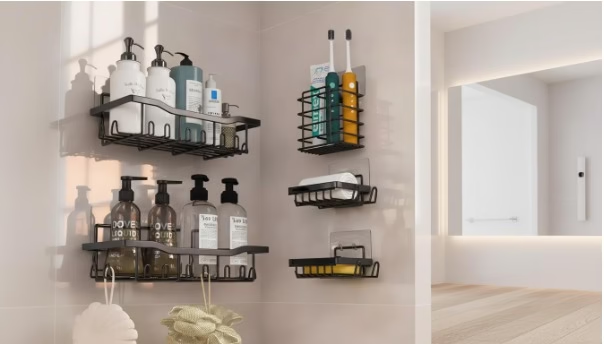
The shower caddy is perhaps the most essential organizational tool in the modern bathroom. It transforms a wet, cluttered corner of a shower into a tidy, accessible, and safe zone for all your personal care essentials. In a space defined by high moisture, constant temperature fluctuations, and the need for hygiene, the shower caddy is not just storage—it’s a specialized piece of hardware designed to withstand one of the most demanding environments in the home.
Choosing the right shower caddy requires careful consideration of your bathroom layout, the amount of product you use, and, most importantly, the material that will stand up to the relentless battle against rust, mildew, and soap scum. This extensive guide explores the types, materials, installation methods, and key features that define a successful, long-lasting shower storage solution.
The Spectrum of Style: Types of Shower Caddies
The modern market offers a variety of shower caddy designs, each suited to different bathroom layouts, load requirements, and permanence needs.
1. The Hanging Caddy (Over-the-Showerhead or Over-the-Door)
This is the most common and installation-free option. It utilizes a hook that slips over the showerhead pipe or the top edge of a shower door/enclosure.
- Pros: Requires zero installation, highly portable, and keeps items at eye-level for easy access. Often includes suction cups or non-slip grips for added stability against the wall.
- Cons: Can sometimes obstruct access to the shower controls, and the weight of products can cause the caddy to sway or slip down the showerhead pipe if not properly secured.
2. The Tension Pole Caddy (Corner Caddy)
These vertical units are designed for shower corners and use a spring-loaded rod that extends from the tub ledge or shower floor to the ceiling.
- Pros: Maximizes unused vertical space in a corner, offers significant storage capacity (often 3 to 4 adjustable shelves), and requires no drilling or permanent fixtures. Highly stable when properly installed.
- Cons: Installation can be tricky to get the tension just right; the rubber feet or tops can sometimes mark ceiling or floor surfaces.
3. Wall-Mounted Caddies (Adhesive or Screw-In)
These caddies are individual baskets or shelves that are fixed directly to the shower wall or tile.
- Adhesive/Suction: Uses strong, non-damaging waterproof adhesive strips or powerful suction cups. Ideal for renters or those who do not want to drill. Requires a smooth, clean tile surface for best adhesion.
- Screw-In: Provides the most stable, permanent solution. Ideal for heavy loads and a high-end, custom look, but requires drilling into tile or grout.
4. Freestanding and Portable Caddies
These are baskets or tiered shelves that sit on the shower floor or a built-in bench. Portable caddies often have a handle and are designed to be carried to and from the shower (popular in dorms or shared bathrooms).
- Pros: Maximum versatility and requires no wall attachment. Easy to clean around.
- Cons: Takes up valuable floor space; can sometimes trap water at the base and requires the user to bend down to access products.
The Rust Factor: Choosing the Right Material
The high-humidity, perpetually wet environment of the shower is highly corrosive. The material of the shower caddy is the most important factor dictating its longevity and appearance.
| Material | Aesthetic | Corrosion Resistance | Maintenance & Durability |
|---|---|---|---|
| Stainless Steel | Sleek, modern, premium metal finish. | Excellent, particularly marine-grade 304 or 316 steel. | Very strong; requires wiping to prevent water spots and limescale buildup. |
| Anodized Aluminum | Lightweight, matte, contemporary look (often in silver or black). | Naturally rust-proof and highly durable in wet areas. | Excellent resistance to corrosion; lightweight nature may feel less substantial. |
| Engineered Plastic (ABS/PVC) | Flexible, comes in various colors (white, gray, translucent). | Completely rust-proof. | Inexpensive, easy to clean, highly durable against impacts, but can sometimes feel less premium. |
| Chrome-Plated Steel | Highly shiny, budget-friendly metal look. | Poor. Plating wears down quickly, exposing steel to rust and corrosion within months. | Low durability in the shower; not recommended for long-term use. |
| Teak or Bamboo | Natural, spa-like, warm wood finish. | Excellent resistance due to natural oils and dense grain. | Requires periodic oiling to maintain water resistance; can harbor mildew if not allowed to dry. |
Essential Features for Optimal Performance
A great shower caddy integrates thoughtful design elements that directly address the challenges of the shower environment.
1. Superior Drainage
Shelves and baskets must feature slotted or perforated bottoms to allow water to drain immediately and completely. This is vital for preventing water pooling, which leads to soap residue buildup, mold growth, and premature rusting of metal components.
2. Stability Mechanisms
For hanging caddies, look for integrated suction cups, gel locks, or rubberized collars that grip the showerhead pipe and secure the caddy against the wall, preventing the annoying “swinging” effect.
3. Specialized Storage
Look beyond just simple shelves. Modern caddies often include:
- Upside-Down Bottle Storage: Holes or cutouts in the shelf base allow you to invert bottles of shampoo or conditioner, ensuring you can use every last drop.
- Razor/Hook Docks: Dedicated, protected hooks for hanging razors (away from hands) and loofahs or washcloths, allowing them to fully air dry.
- Soap Trays: Removable, slatted trays that keep bar soap separate and drained.
4. Adjustable Shelving
Tension pole and some wall-mounted caddies offer the ability to adjust the height of the shelves. This is critical for accommodating large, family-sized shampoo and conditioner bottles, which often do not fit in standard, fixed-height caddies.
Installation and Maintenance Tips
The longevity of your shower caddy depends on correct installation and a simple maintenance routine.
- Surface Prep (Adhesive/Suction): For non-drilling caddies, always clean the tile surface thoroughly with alcohol and let it dry completely before mounting to ensure a strong, lasting bond.
- Balance the Load: Distribute the weight of your products evenly across all shelves, placing heavier, larger bottles on the bottom shelf for stability.
- Wipe Down: To drastically reduce limescale and soap scum, quickly wipe the caddy dry with a towel after every few uses. This is particularly important for metal caddies to prevent rust and maintain their shine.
Conclusion
The shower caddy is the unsung hero of the bathroom. By investing in a corrosion-resistant material and a functional design, you turn bathroom clutter into streamlined organization, enhancing both the safety and the serenity of your daily shower routine.