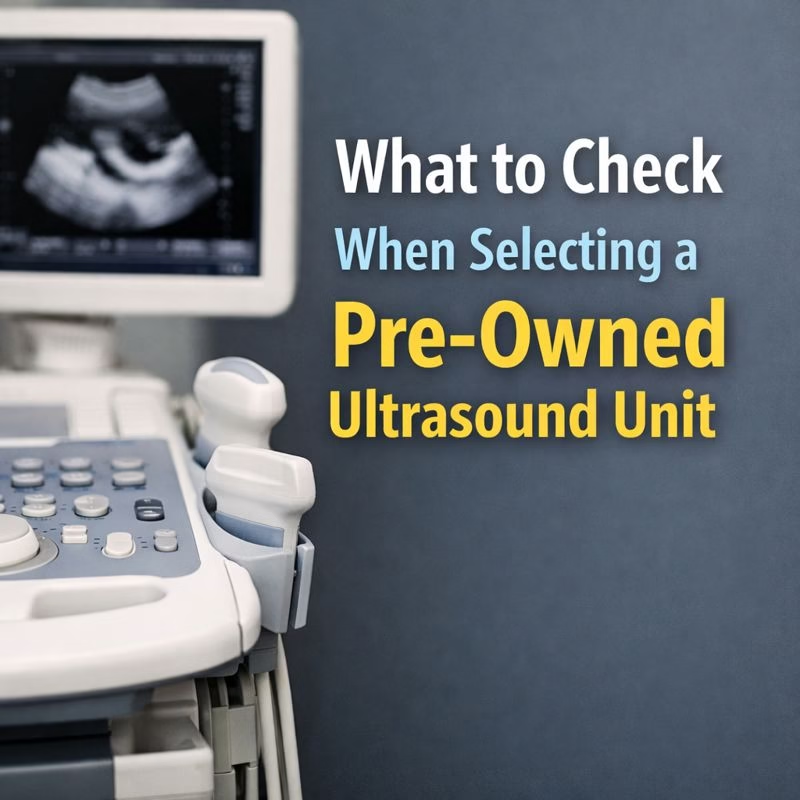
However, medical facilities look for diagnostic equipment as a key component and depend on its reliability to provide quality care. A used ultrasound machine is a way to achieve this balance between quality and affordability. But with proper evaluation, the device can both fulfill clinical expectations and provide clinical-grade accuracy. Before making a big purchase like this, you want to know certain things, which is what this guide focuses on.
Assessing Device Condition
Start with a visual condition assessment of the ultrasound. You should be worried about the device history and handling if you notice any cracks, dents, or other signs of damage. Be especially mindful of the state of cables, connectors, and external connectors, as these will determine both safety and function. Check that the controls and monitor are working seamlessly. There should be no stuck keys or flickering screens. Choosing a used ultrasound machine for sale provides access to advanced technology at a lower cost while requiring careful inspection.
Evaluating Probe Quality
Transducers, also called probes, are the most important components in any ultrasound system. Check each probe for wear, such as worn cables or broken heads. Test the quality of images (clarity and consistency), then ask the provider to send quality images (normal-quality images depend on properly maintained probes). If these probes are practicable, check the multiple probes on the same system to ensure no incompatibility issues and cross-examine performance.
Reviewing Software and System Compatibility
Ultrasound devices contain hardware and software components. Check the version of the installed software and determine whether updates are still being provided for the system. Old software can cause limitations to function or even cause issues with integrating with other software, like other medical records programs. Existing infrastructure compatibility accelerates workflow and expedites patient care.
Checking Maintenance and Service Records
You can learn a lot about reliable performance from a used ultrasound unit based on its maintenance history. Ask for service records, routine maintenance, repairs, or replacement of parts. Generally, vehicles with a complete service history don’t come with as many surprises after you buy them. This level of transparency gives healthcare providers a chance to prepare for future needs, if necessary.
Verifying Image Quality
Image clarity influences diagnostic accuracy. Request a demonstration of the ultrasound machine and, if possible, different scan types. Look for artifacts, blurriness, or inconsistent features across images. If the imaging process keeps producing consistent quality images, it is a favorable indication that the system is still performing as it was designed to do.
Confirming Accreditation and Compliance
There are rules, regulations, and standards that medical devices must also comply with. Check that the ultrasound machine used has all the certifications for clinical use in your area. The ultrasound machine should be certified to demonstrate its compliance with safety and quality standards. Working within regulations also helps mitigate the risk of future legal or insurance issues.
Analyzing Cost and Value
Buying a second-hand ultrasound machine should be cheaper than buying new equipment. Price comparisons against similar models by age, features, and condition. Take into account the total cost, which encompasses delivery and installation, and then explore potential upgrades or anticipated repairs. If reliability is uncertain, then a lower upfront price may never offset ongoing costs.
Investigating Previous Usage
The history of the ultrasound unit affects its longevity, which is the problem with purchasing a used model. Inquire about past use cases, such as whether the device was used in a high-throughput setting or for specific types of procedures. Heavily used equipment may be more worn or require more maintenance. Knowing this history provides context to better manage expectations around performance from here on out.
Evaluating Future Upgrade Potential
Because medical technology evolves quickly, having the potential for upgrades is an important aspect to consider. Determine whether your ultrasound unit can be upgraded to accommodate future software upgrades and features. Expandability can also increase the lifespan of the device and support a facility through evolving clinical requirements. By adapting to erstwhile technological developments, flexible structures offer enhanced value over time.
Conclusion
Purchasing a second-hand ultrasound machine is never an effortless task; every detail has to be taken into account. When evaluating the parameters such as device condition and probe quality, healthcare providers can make informed choices by considering software compatibility with the device and reviewing maintenance records. We must address factors like warranties, compliance, and support to ensure a seamless transition to the clinical practice.