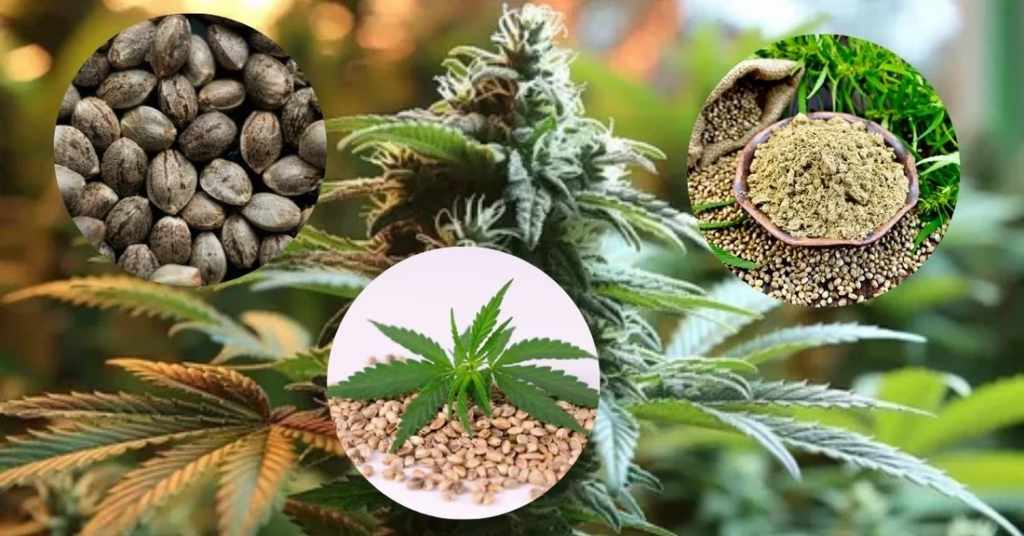
Can you smoke marijuana seeds? It’s a question that crosses many minds, from seasoned cannabis users to curious beginners exploring every aspect of the plant. Whether you’ve discovered seeds in your stash or you’re simply wondering about the smokability of different cannabis components, understanding the facts is crucial for making informed decisions about your consumption habits.
While it’s technically possible to ignite and inhale, smoking marijuana seeds presents a vastly different experience from consuming quality cannabis flower. The practice raises important questions about safety, effectiveness, and legality that every cannabis user should understand. From the harsh, unpleasant smoke to the negligible psychoactive effects, seeds offer none of the benefits associated with traditional cannabis consumption.
Understanding Marijuana Seeds
Marijuana seeds are nature’s cannabis blueprints, containing all the genetic information needed to grow a cannabis plant. These small, hard-shelled structures vary in color from light tan to dark brown, often featuring distinctive tiger-stripe patterns. Each seed houses an embryo surrounded by protective layers designed to ensure survival during germination.
The composition of cannabis seeds differs dramatically from the plant’s psychoactive parts. While flowers and leaves concentrate cannabinoids like THC and CBD, seeds focus on nutrition and reproduction. They contain approximately 25-30% protein, 25-35% carbohydrates, and 20-30% fat, making them nutritionally dense but psychoactively inactive.
Seeds develop when males pollinate female cannabis plants. This natural process redirects the plant’s energy from cannabinoid production to seed formation, explaining why seeded marijuana typically has lower THC concentrations.
What You Need to Know About Smoking Weed Stems
Cannabis stems represent another commonly discarded plant component that some consider smoking. These woody structures serve as the plant’s support system, transporting nutrients and water throughout the organism. However, their cellular composition makes them unsuitable for consumption.
Stems consist primarily of cellulose, lignin, and other structural compounds that require extremely high temperatures to combust properly. This creates harsh, acrid smoke that irritates respiratory tissues. The burning process also releases potentially harmful compounds, including carbon monoxide and various organic toxins.
The THC content in stems ranges from virtually zero to trace amounts, typically less than 1% by weight. Most cannabinoids concentrate in trichomes found on flowers and leaves, not in the plant’s structural components.
The Effects of Smoking Cannabis Stems
Smoking cannabis stems produces predominantly negative effects with no meaningful benefits. Users consistently report harsh, scratchy smoke that causes immediate throat irritation and persistent coughing. The taste is universally described as unpleasant, often compared to burning wood or paper.
Headaches frequently occur within minutes of smoking stems, likely caused by oxygen deprivation from poor combustion and inhalation of irritating compounds. Some users experience nausea, particularly when consuming larger quantities in futile attempts to achieve psychoactive effects.
The lack of cannabinoids means no therapeutic or recreational benefits occur. Instead, users expose themselves to respiratory irritants and potential toxins without any compensating positive effects.
Smoking Weed Seeds: Risks, Effects, and What to Expect
When ignited, marijuana seeds[1] create a distinctly unpleasant experience characterized by popping, crackling sounds as moisture and oils rapidly expand. This acoustic signature often startles users and indicates the violent combustion occurring within the seed’s protective shell.
The resulting smoke carries an acrid, bitter taste that lingers long after consumption. Many describe it as reminiscent of burning plastic or rubber, creating an immediately off-putting sensory experience. This harsh smoke irritates throat tissues and can trigger coughing fits even in experienced smokers.
Psychoactive effects remain virtually nonexistent due to minimal THC content. Scientific analysis reveals drug-type cannabis seeds contain only 35.6-124 micrograms of THC per gram, compared to 150,000-300,000 micrograms per gram in quality flower.
Health risks include respiratory irritation from burning shell fragments and potential exposure to toxins released during high-temperature combustion.
Seeded Marijuana Flower: Is It Still Worth Smoking?
Discovering seeds in cannabis doesn’t necessarily render the material worthless, though it does indicate compromised quality. Seeded marijuana, often called “brick weed” or “schwag,” results from inadequate cultivation practices that allowed male plants to pollinate females.
The pollination process triggers hormonal changes that redirect plant energy from resin production to seed development. This biological shift typically reduces THC concentrations by 15-30% compared to properly cultivated seedless varieties. However, the remaining flower material still contains active cannabinoids.
Quality assessment becomes crucial when evaluating seeded marijuana. Well-cured seeded marijuana with minimal seeds may provide acceptable effects, while heavily seeded weed with poor storage often delivers disappointing results.
How to Separate Marijuana Seeds from Bud for a Better Smoke
Effective seed separation requires patience and proper technique to maximize flower quality while minimizing waste. The hand-picking method involves carefully breaking apart flower clusters and manually removing visible seeds using fingers or tweezers.
Start by working in good lighting to identify all seeds, including smaller ones embedded within dense flower structures. Gently separate flower material, feeling for hard objects that indicate seed presence. Remove seeds immediately to prevent accidental crushing during handling.
Grinder-based separation offers an alternative approach for larger quantities. Use a multi-chamber grinder with a collection screen, allowing seeds to fall through while retaining the ground flower above.
Screen-based sifting provides another effective technique. Use a fine mesh screen to separate seeds from broken flower material.
Does GrindingThe Flower with Seeds Make a Difference?
Grinding seeds along with the flower creates multiple problems that significantly degrade the smoking experience. The hard seed shells resist grinding, often jamming grinder mechanisms and creating uneven particle sizes that burn poorly.
Successfully ground seeds produce bitter, harsh-tasting fragments that contaminate the entire batch. These shell pieces burn at different rates than flower material, creating hot spots and uneven combustion that wastes active compounds while producing irritating smoke.
Grinder damage represents another significant concern. Seed shells can chip or dull grinding teeth, particularly in lower-quality grinders with softer metal components.
The contamination effect extends beyond taste, affecting the overall smoking experience. Ground seed fragments create a gritty texture that feels unpleasant when rolled into joints or packed into bowls.
THC Levels in Marijuana Seeds
Scientific research provides clear data on cannabinoid concentrations in cannabis seeds. Drug-type cannabis seeds contain 35.6-124 micrograms of THC per gram, while hemp seeds contain even less at 0-12 micrograms per gram. These concentrations pale in comparison to quality flower material.
The THC present in seeds primarily concentrates on the outer shell (testa) rather than within the seed itself. This surface contamination likely results from contact with resinous plant material during development and harvesting rather than internal cannabinoid production.
To contextualize these numbers, consider that premium cannabis flower contains 15-30% THC by weight, equivalent to 150,000-300,000 micrograms per gram. This means flower material contains roughly 1,000-8,000 times more THC than seeds.
Even consuming large quantities of seeds wouldn’t produce meaningful effects. A person would need to ingest hundreds of grams of seeds to approach the THC content found in a single gram of quality flower.
Best Marijuana Strains for Maximum Production
Certain cannabis strains demonstrate superior seed production capabilities, making them valuable for breeding programs and genetic preservation. These varieties typically exhibit robust growth patterns, high fertility rates, and stable genetic expression across generations.
- Northern Lights: stands out as an exceptional seed producer, combining vigorous growth with consistent genetic stability. This indica-dominant strain produces large quantities of viable seeds while maintaining desirable parent characteristics.
- Skunk #1: represents another excellent choice for seed production, offering hybrid vigor and reliable germination rates. This strain’s balanced genetics produce offspring with predictable characteristics, making it valuable for both commercial and personal breeding projects.
- Afghan Kush: this strains excel in seed production due to their hardy genetics and natural resistance to environmental stresses.
Alternatives to Smoking Seeds
Rather than smoking seeds, numerous beneficial alternatives exist that maximize their value. Cultivation represents the most obvious option, where legally permitted, allowing seeds to fulfill their biological purpose by growing into mature plants.
Nutritional consumption offers another excellent alternative. Hemp seeds provide complete protein containing all essential amino acids, plus beneficial omega fatty acids and minerals. They can be eaten raw, added to smoothies, or incorporated into various recipes.
Composting provides an environmentally responsible disposal method that returns nutrients to the soil. Seeds break down naturally, contributing organic matter that benefits garden plants and reduces waste.
Some crafters use seeds for decorative purposes, incorporating them into jewelry or art projects.
Hemp Seeds and Their Benefits
Hemp seeds offer exceptional nutritional value that makes them increasingly popular as a superfood. They contain approximately 31% protein by weight, providing all nine essential amino acids in optimal ratios for human nutrition.
The fatty acid profile includes beneficial omega-3 and omega-6 compounds in ideal 3:1 ratios that support cardiovascular health and reduce inflammation. These healthy fats also promote brain function and may help regulate cholesterol levels.
Mineral content includes significant amounts of magnesium, iron, zinc, and phosphorus. These nutrients support bone health, immune function, and energy metabolism.
Digestibility remains excellent due to the absence of common allergens found in other protein sources.
Medical Marijuana Consideration
Medical cannabis patients require consistent, reliable dosing to manage symptoms effectively. Smoking seeds or stems cannot provide the therapeutic cannabinoid concentrations necessary for medical treatment, making these practices counterproductive for patients.
Quality control becomes paramount for medical users who depend on specific THC and CBD ratios to address their conditions. Seeds and stems lack the standardized potency required for medical applications and may interfere with treatment protocols.
Licensed dispensaries provide tested, regulated products that ensure patient safety and efficacy. These facilities offer lab-verified cannabinoid profiles and contaminant screening that seeds and stems cannot match.
Patients should always consult healthcare providers before making changes to their cannabis regimens.
What’s Legal and What’s Not in Smoking Seeds or Stems
Cannabis legality varies significantly across jurisdictions, affecting the legal status of all plant components, including seeds and stems. In the United States, federal law classifies cannabis as a Schedule I substance, though individual states have implemented varying degrees of legalization.
Currently, 40 states permit medical cannabis use, while 24 states allow recreational consumption. However, seed possession and cultivation laws differ from flower regulations, with some states permitting seed ownership while prohibiting germination.
Canada maintains comprehensive federal legalization covering all cannabis components, including seeds and stems. Adults can legally possess, consume, and cultivate cannabis throughout the country, subject to provincial regulations.
The United Kingdom permits medical cannabis with proper prescriptions but maintains a prohibition on recreational use. Cannabis seeds remain legal to possess and sell as novelty items, though germination constitutes illegal cultivation.
FAQs
Can you get high from smoking cannabis seeds?
Cannabis seeds contain negligible THC concentrations compared to flower, making psychoactive effects impossible. Seeds contain only 35.6-124 micrograms of THC per gram, which is thousands of times less than quality cannabis flower.
Is it bad to smoke Marijuana seeds?
Smoking marijuana seeds produces harsh, irritating smoke with no benefits while potentially exposing users to toxins. The burning shell fragments can irritate respiratory tissues and cause persistent coughing.
Can smoking Cannabis seeds make you sick?
While not typically dangerous in small amounts, smoking seeds can cause throat irritation, persistent coughing, headaches, and nausea. The harsh smoke and potential toxins released during combustion make it an unpleasant experience.
Are there any benefits to smoking cannabis seeds?
There are no benefits to smoking cannabis seeds. They provide no psychoactive effects, no therapeutic value, and create only negative side effects including harsh taste and respiratory irritation.
How do you know if your weed has seeds?
Seeds appear as small, hard, oval-shaped objects ranging from light tan to dark brown with tiger-stripe patterns. You’ll feel them as hard lumps when breaking apart, and they often fall out during handling or grinding.
What happens if you accidentally smoke a seed?
Accidentally smoking a single seed typically causes immediate harsh smoke, bitter taste, and coughing. While unpleasant, it’s not dangerous, but you should remove any remaining seeds before continuing consumption.
Can you remove seeds from already ground weed?
It’s difficult but possible to remove seed fragments from ground cannabis using fine screens or careful picking. However, prevention through seed removal before grinding produces much better results.
Conclusion
While you can smoke cannabis seeds, doing so provides no benefits and creates unnecessary health risks. The harsh smoke, terrible taste, and complete lack of psychoactive effects make this practice inadvisable.
[1]external do follow