Most people understand the importance of fire safety training. We learn how to use extinguishers, follow evacuation plans, and respond quickly when alarms sound. What often receives less attention is first aid knowledge, even though medical emergencies happen far more frequently than fires. Cuts, burns, falls, allergic reactions, and sudden illness can occur anywhere and at any time. Knowing how to respond in those critical first moments can mean the difference between a minor incident and a life-threatening situation.
Fire safety prepares people for rare but dangerous events. First aid prepares people for everyday emergencies. Both skills focus on prevention, fast response, and protecting lives. When first aid knowledge is treated with the same importance as fire safety training, individuals and workplaces become far safer overall.
Emergencies Do Not Wait for Professionals
One of the main reasons first aid knowledge matters is that emergencies rarely come with advance notice. Ambulances and medical professionals are essential, but they are not always immediately available. In many cases, the people already on site are the first and only responders during the most critical moments.
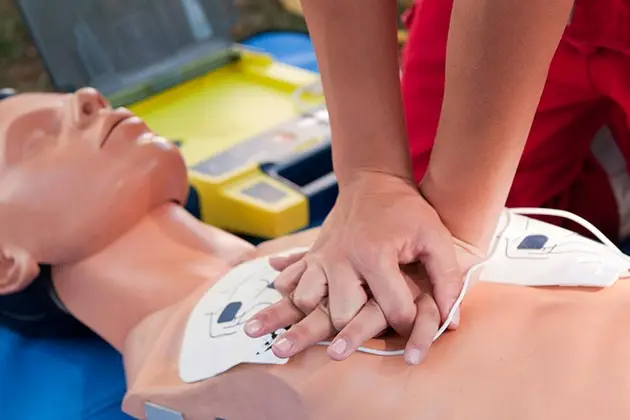
Whether it is controlling bleeding, assisting someone who is choking, or helping a person experiencing shock, immediate action can prevent conditions from worsening. This is why Townsville first aid training is increasingly seen as a practical life skill rather than an optional qualification. It empowers people to take calm, effective action while waiting for professional help to arrive.
First Aid Reduces Panic and Improves Decision Making
Panic is one of the biggest risks during emergencies. People who lack training often freeze, make unsafe decisions, or unintentionally cause harm. Fire safety drills exist largely to prevent panic, and first aid education serves the same purpose.
When individuals complete a Townsville first aid course, they learn how to assess a situation, prioritise actions, and stay focused under pressure. This structured response helps reduce fear and confusion. Knowing what to do brings confidence, and confidence leads to quicker and safer outcomes for everyone involved.
Workplace Safety Requires More Than Fire Drills
Many workplaces invest heavily in fire safety compliance, which is important and necessary. However, the majority of workplace incidents are medical rather than fire-related. Slips, equipment injuries, heat stress, and sudden health episodes occur far more often than building fires.
First aid knowledge helps employees respond immediately, stabilise injuries, and support colleagues until help arrives. When combined with fire safety procedures, it creates a more complete safety culture. This balanced approach shows that an organisation values real-world preparedness, not just regulatory checklists.
First Aid Skills Extend Beyond the Workplace
Unlike fire safety training, which is often workplace specific, first aid knowledge follows people everywhere. The skills learned apply at home, in public spaces, during travel, and in family situations. Parents, caregivers, sports coaches, and community members all benefit from understanding basic emergency care.
A first aid and cpr course townsville equips individuals with skills that may be used outside of structured environments, where professional help might take longer to reach. These skills allow ordinary people to step in confidently when emergencies happen in everyday life.
Building Safer Communities Through Preparedness
Communities become safer when more people are trained to respond effectively. Fire safety relies on awareness and collective action, and first aid works the same way. The more individuals who understand emergency response, the stronger the overall safety net becomes.
When first aid knowledge is treated as equally important as fire safety training, it reflects a realistic view of risk. Fires may be dramatic, but medical emergencies are more common and just as dangerous when mishandled.
A Skill That Protects Lives Every Day
First aid knowledge is not about replacing medical professionals. It is about bridging the gap between emergency and professional care. Like fire safety training, it is a preventive tool, a response system, and a life-saving skill rolled into one.
By giving first aid the same priority as fire safety training, individuals and organisations take a meaningful step toward safer environments and more confident emergency responses.