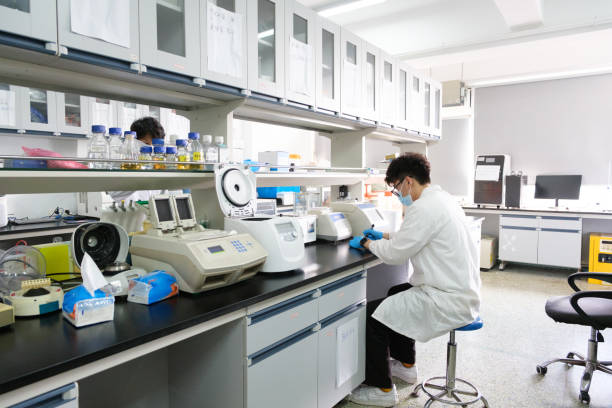
Peptide science has moved far beyond experimental curiosity. In 2026, research laboratories are operating with tighter controls, higher analytical standards, and deeper biological insight than ever before. Advances in molecular biology, analytical chemistry, and data modeling have transformed how peptides are synthesized, verified, and studied.
For researchers, this evolution matters because peptide studies now demand reproducibility, traceability, and precise compound characterization. Modern laboratories no longer test peptides in isolation; they are building structured research frameworks designed to address complex biological questions.
Modern Research Laboratories as Innovation Hubs
Today’s peptide research laboratories function as innovation centers rather than simple testing environments. Equipped with advanced instrumentation and standardized protocols, labs focus on understanding peptide behavior at the cellular and molecular level.
A major shift in 2026 is the growing examination of multi-peptide research models. Rather than studying individual sequences in isolation, researchers evaluate how peptides interact, stabilize, or complement one another under controlled conditions. This approach improves experimental efficiency and provides deeper insight into signaling pathways, tissue models, and cellular response mechanisms.
Within this context, laboratories are increasingly assessing combination formulations such as BPC 157 TB 500 blend to observe synergistic peptide behavior, structural compatibility, and comparative performance during in vitro and analytical studies. These verified blends allow researchers to analyze multiple peptide characteristics simultaneously without compromising analytical clarity.
Advances in Peptide Synthesis and Purification Techniques
Peptide synthesis has become significantly more precise. Modern solid-phase peptide synthesis (SPPS) techniques now support higher sequence fidelity and lower impurity levels. This matters because even minor deviations in peptide chains can skew research outcomes.
In 2026, laboratories rely heavily on:
- High-performance liquid chromatography (HPLC) for purity validation
- Mass spectrometry for molecular identity confirmation
- Active weight verification to ensure dosage accuracy in experiments
These processes help address a common concern among researchers: consistency across batches.
How Peptide Blends Are Expanding Research Capabilities
Single-peptide studies remain valuable, but they no longer reflect the complexity of biological systems. Peptide blends enable laboratories to examine interaction effects rather than isolated responses.
Researchers use blended peptides to:
- Study cooperative signaling mechanisms
- Compare isolated vs combined peptide responses
- Analyze compound stability across different environments
This approach supports broader experimental design while reducing the need for parallel testing setups.
Role of Third-Party Verification in 2026 Research Standards
One of the strongest concerns among research professionals is verification. Inaccurate labeling, unverified purity, or missing documentation can invalidate entire studies.
As a result, third-party testing has become a baseline requirement. Laboratories now expect:
- Certificates of Analysis (COAs)
- Endotoxin and sterility screening
- Transparent testing methodologies
Independent verification ensures that peptides used in research meet declared specifications, supporting data integrity and peer-reviewed validation.
Digital Infrastructure Supporting Peptide Science
Technology plays a critical role in peptide research. AI-driven modeling, bioinformatics platforms, and cloud-based lab systems help researchers predict peptide-receptor interactions before physical testing begins.
Digital tools allow laboratories to:
- Model peptide folding and stability
- Track experimental variables in real time
- Improve reproducibility across research teams
Conclusion
Peptide science in 2026 is defined by precision, verification, and structured experimentation. Research laboratories are driving this progress by adopting advanced synthetic methods, conducting peptide interaction studies, and prioritizing analytical transparency.