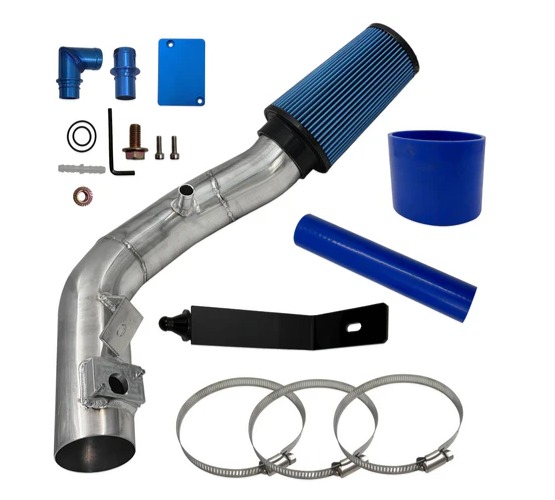

When you are fond of driving and you have to ensure that your car performs optimally, it is necessary to know how to maximize the use of your cold air intake system. This is an important part as it feeds clean and cool air to your engine which directly influences horsepower, fuel economy as well as health of the engine. Failure to attend to it may lead to poor performance and expensive repairs. On the same note, pulling a heavy weight with a trailer hitch, it becomes even more critical to make sure your car is in excellent condition, its cold air intake is working properly.
We will discuss in this article the main indications that your cold air intake should be cleaned or replaced, maintenance points, and mention the significance of combining the properly maintained intake system with towing installations, to achieve safety and efficiency.
Understanding the Cold Air Intake System
A cold air intake is an aftermarket or factory-based system that is used to supply colder air into the combustion chamber. Denser air that has a higher concentration of oxygen molecules cooler air enhances the efficiency of combustion and increases engine performance. A performance cold air intake will normally have a larger filter, smooth intubation and generally a shorter distance to the engine than a stock air intake.
A clean and effective cold air intake is even more important to drivers that have the use of trailers regularly. Towing causes more load on the engine and any blockage in the airflow can influence acceleration, fuel economy, and engine life.
Common Signs Your Cold Air Intake Needs Cleaning
Reduced Engine Performance
Reduced engine power is one of the most obvious signs that show that the cold air intake is clogged or contaminated. You might notice slow acceleration or your car may not be able to move faster and this may be because of limited ventilation. The engine requires a constant flow of air that is rich in oxygen and the presence of a blocked intake filter interferes with this flow.
Decreased Fuel Efficiency
Poor fuel economy can also be as a result of a dirty cold air intake. The current generation of engines depends on the exact ratios of air and fuel in their use and the limited airflow causes the engine to make up by injecting additional fuel thus lowering the efficiency. When you realize that your mileage is already declining and you have not made any adjustments in driving habits, it would be a clever move to check in your cold air intake.
Unusual Engine Sounds
An in-good condition cold air intake normally provides a faint, silencing sound on intake. Whistling, hissing, or rattling of the intake area may also be an indicator of damage, leaks or too much dirt. Such sounds are more evident when accelerating as well as when under load, like towing a trailer using a trailer hitch.
Check Engine Light Activation
The modern car is fitted with sensors that check the flow of air. A blocked or broken cold air intake may be enough to cause the check engine light. Although the light can signify various problems, airflow problems should be taken into account in the case of maintenance of the intake.
Visible Dirt or Damage
Another sure procedure is physical inspection. In case the intake filter appears dark, oily or clogged it is time to clean or replace it. In addition to that, check the tubing to identify cracks, loose connections or holes that may cause airflow to be compromised. Broken intakes do not only lower the performance but also expose the engine to debris that makes it damaged over time.
When to Replace vs. Clean Your Cold Air Intake
Intake problems are not always something that needs to be replaced. Airflow and performance can be re-established by regular cleaning. Intake filters such as cotton gauze or foam filters of aftermarket intakes can be washed with an intake specific cleaner and re-oiled. Instead of cleaning paper filters can be replaced.
Nevertheless, when the intake housing is fractured, the tubing is torn or the filter media material is rotting, the best decision is to substitute. A new cold air intake is provided to ensure maximum airflow is provided and also to avoid possible engine damage.
Maintaining Your Cold Air Intake for Towing Efficiency
When you have a trailer hitch used in your vehicle and you are prone to towing a lot, it is even more important to maintain that cold air intake. Clean intake also makes sure that the engine is capable of carrying the additional load. This will minimize the pressure on the engine, overheating will be avoided, and this will also help in a smoother acceleration of the engine when pulling heavy trailers.
Cold Air Intake vs. Stock Intake: Key Differences
The aftermarket cold air intakes are not aimed at durability and reliability whereas the stock ones are. Stock intakes are usually restricted in their bends and filter areas reducing the amount of air to flow through to the engine. The larger diameter, lateral bends, and larger flow filter of a cold air intake enable the engine to breathe easier, especially when the engine is under load, as is the case with a trailer hitch.
The throttle response can be enhanced with the help of investment in high-quality cold air intake that will enable to increase the horsepower and improve the overall efficiency of the engine. A clean intake along with a well-fitted trailer hitch will optimize the towing performance, as well as the life of a vehicle.

Conclusion
It is also important that any vehicle owner should keep his or her cold air intake clean and efficient, particularly those who use trailer hitch to tow. Reduced engine performance, decreased fuel consumption, abnormal engine sounds, turning on of check engine light, visible dirt or damage, and similar indications are all you need to know that your intake is not in good shape. Frequent cleaning, inspection and replacement of parts intermediary of the airflow, engine condition and safety in towing.
A well-maintained cold air intake does not only improve the performance of the engine but it also makes the process of towing safe and efficient. Intake maintenance with regular trailer hitch inspections will have your car in good shape over many years.
FAQs
What is the frequency of cleaning the cold air intake?
The cleaning interval will depend on the type of filter and driving conditions, but as a rule 10,000 to 15,000 miles is advised. Check the car more often in case you have to drive in dusty roads or off-road.
Will a filthy cold air intake hurt my engine?
Yes. Limited air flow may result in incomplete combustion resulting in carbon accumulation, overworking, and lower engine life.
Can towering be done with a clogged cold air intake?
Any towing with a clogged intake strains the engine and decreases its power and uses more fuel. Pre-heavy towing Clean or change the intake.