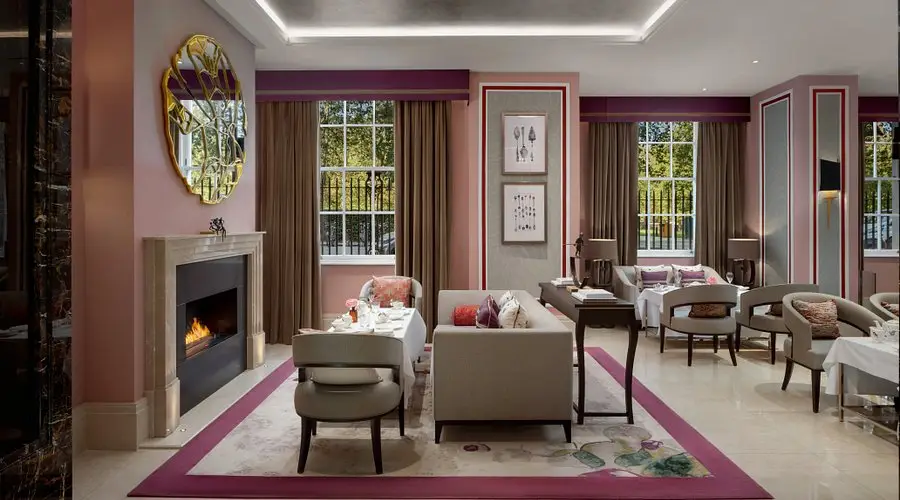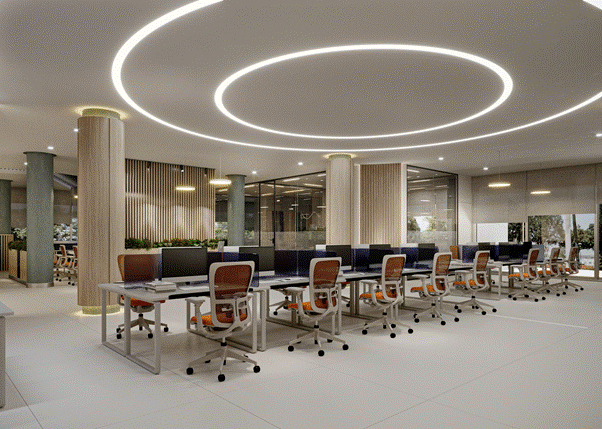
Dubai is expanding, and it is visible to everybody. The new constructions are in every corner, and the population is increasing each and every year. Due to this, individuals have also transformed their viewing of buildings. Previously, height and positioning sufficed. People are also now concerned about the feeling of a place after they enter it.
The interior design in Dubai is of more concern than they had imagined. Design does not come to the mind of most people using words, but they can feel it immediately. When an environment is easy and easy-going, individuals become relaxed. They do not get interested even when it appears good outside because it gets puzzling or burdensome.
Someone gets into the venue and surveys around, and when things do make sense, then they feel comfortable.
- They will not rush away as they will extend their stay when they feel comfortable.
- The space begins to become helpful and well-spent by them.
- This emotion is involved in the process of buyer decision and in the way tenants select a location.
- Slowly, these little sentiments make interior decoration more utilitarian than beautification.
That is the way interiors began preparing real estate and business development, and nobody cared about it much. The way people purchase property is being altered by the interior design.
This kind of thinking begins to influence actual market decisions as this mode of thinking continues to increase. People no longer ask the size of a place. They question its application in real life. They observe layouts, light, and comfort on visits, even though they may not discuss it directly. All these little things gradually determine the degree of worthiness of a property.
How Interior Design Changes the Way People Buy Property
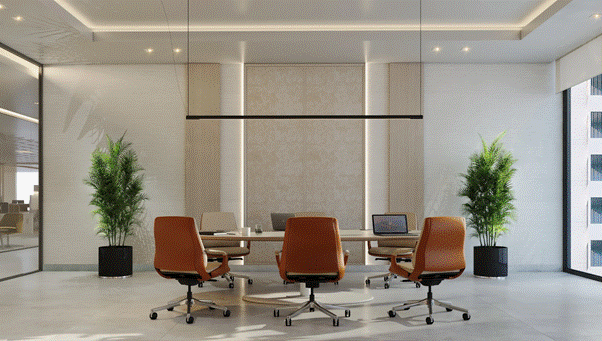
Dubai real estate development has started to reflect this change. Properties with well-planned interiors attract more attention during viewings. Buyers feel more confident, and tenants feel more ready to move in. This comfort helps properties rent faster and hold value longer.
- When a space feels easy to use, people imagine living or working there without effort.
- That ease makes decision-making faster and reduces hesitation.
- As confidence grows, people feel better about price and long-term value.
- This affects rental demand, resale interest, and overall market performance.
- Over time, interiors stop being a finishing touch and become part of the property’s core value.
This is how design quietly supports property performance, not through trends, but through everyday comfort that people feel and trust.
Why Homes and Mixed-Use Projects Need Interior Thinking Early
Dubai keeps building new homes and mixed-use projects, and most of them look fine at first glance. The buildings appear modern, and the plans look workable on paper. But once people start living there, daily life feels more difficult than expected. Rooms feel tighter, shared areas stay unused, and simple routines take extra effort.
This usually happens because interior planning comes in late. When space decisions are made after construction, everything has to adjust around fixed walls and layouts. Because of that, the room flow feels off, the storage feels forced, and some areas look acceptable but do not work in daily use. These problems stay hidden during marketing but become clear after people move in.
Developers have started to notice this pattern. By involving fit-out and interior solutions in Dubai earlier, interiors can follow real daily movement instead of adapting later. Living spaces feel clearer, storage becomes usable, and shared areas start serving a purpose. In mixed-use projects, this early approach also helps homes, retail, and shared zones work together instead of feeling disconnected.
When interiors are planned early, people understand the space faster. Living feels simpler. Fewer things feel out of place. As a result, complaints drop, and satisfaction improves. Instead of correcting issues later, developers deliver spaces that work properly from the beginning.
When Modern Design Starts Working Against Businesses
As more businesses set up in Dubai, a common problem keeps showing up. And you know what it is? Offices look modern, shops look polished, and hotels look impressive, yet daily work inside these spaces feels tiring. Usually, people try to focus; customers move through quickly, and guests do not stay longer than planned. At first sight, it looks like a staff or management issue, but with time, it becomes clear that the space itself is making things harder.
Once these small issues are fixed, people respond on their own. Staff stay focused longer, customers spend more time inside, and guests move through spaces without feeling rushed. This is how interiors stop being ignored and start supporting real business growth.
Sustainability and Smart Interior Solutions in Dubai
The development in Dubai has posed a fundamental yet significant question for long-term usage. At the beginning, buildings appear to be okay, but the trouble occurs when people start using them daily. Consumption of energy increases, and it makes it more difficult to maintain, and comfort decreases gradually. It does not take immediate effects, but it has long-term impacts on performance. This is the reason behind the inclusion of sustainability in interior planning as opposed to it being a stand-alone concept.
Sustainable interior design in Dubai deals with making more sustainable decisions. The materials, lighting, and layout are now planned, keeping in mind the day-to-day use rather than appearance. Airflow, heat, and easy movement of spaces become easier when the interiors favour it. Long-life materials minimize maintenance pressure and wear.
- Lighting that is efficient in energy savings will prevent cost control and the continual use of adjustments continually.
- Layouts to support airflow make spaces comfortable without excessive cooling.
- Intelligent control enables lighting and heat to be adjusted according to actual use.
Combining these options will ensure that spaces remain operational rather than becoming too fatigued sooner.
With sustainability and intelligent planning in place, the interiors would be better each year. It is comfortable, the expenses remain tame, and the day-to-day usage is easier. In the long run, this strategy safeguards the building and the occupants within the building; hence, sustainability has become realistic rather than feeling like an option.
Interior Design and Dubai’s Global Positioning
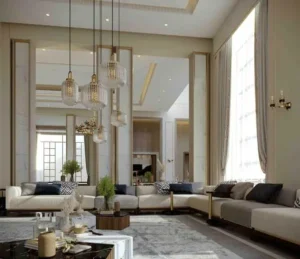
Dubai has developed a good image in the world, and people no longer expect to see iconic buildings. Once spaces are occupied, investors, businesses, and residents scrutinise their performances keenly. They observe the ease with which one can work, live, and move within a building. This is daily life, and it will influence the judgement of Dubai on a global scale.
This is where the real estate growth in Dubai relates directly to the interior quality. Properly designed interiors reveal that a city does not just think about the looks. They are efficient, long-term,m and planned. These indicators are important to international investors and businesses who make the choice of where to expand.
- Good working interiors are those that are attentive to detail and maturity in planning.
- Cozy environments foster productivity and durability.
- Unified quality of the interiors fosters confidence in the city-wide developments.
Investors are satisfied as they have more confidence in buildings that do what they are supposed to do. With time, this will enhance the status of Dubai as a trusted international market.
With the ongoing trend of interior design moving towards the issue of real use and long-term performance, decisions with regard to who plans such spaces gain increased significance. Businesses and developers require collaborators with knowledge on the impact of interiors on comfort, worth, and everyday functionality. This is where professional teams such as Spazio Interior Design are involved in ensuring that the projects advance to performance as opposed to planning. They make smarter decisions. safer investments, and value-beyond-launch development through their emphasis on the actual use of spaces. This strategy will enable projects to compete based on quality, rather than size.
Frequently Asked Questions
1- Why are so many modern buildings so hard to use?
This normally occurs due to the fact that the interior planning follows the construction. The interiors must be flexible in response to layouts that are fixed in advance. Consequently, spaces appear good, but they are unable to accommodate everyday life after individuals settle.
2- What is the role of improved interior planning in helping business spaces?
Offices rely on navigation, attention, and cosiness. Offices operate more efficiently, shops retain their customers longer, and hospitality spaces are more hospitable when people are guided efficiently and with the minimum of effort. These enhancements contribute to the day-to-day performance without additional management.
3- Why do developers engage interior teams in the first place?
Designing interiors through early involvement permits the design of interiors based on real use rather than forced adaptations. This lessens wasted space and prevents subsequent repairs, as well as assisting individuals to settle in a quicker time. The projects begin to work on the first day.
4- What is the relationship between sustainability and interior design decisions?
Sustainable interiors are concerned with long-term usage. Planned materials, lighting, and layouts that are to be used daily assist in regulating the use of energy and ensuring comfort. Such decisions inhibit operating pressure and maintain operational efficiency in the long run.
5- What impact do interiors have on the global image of Dubai?
Interiors illustrate the way a city resorts to appearance planning. Well-functioning spaces are indicators of quality and the long-term perspective. This is a sign of reliability and trust to investors and businesses.
6- What does it mean to select the appropriate interior partner of the developers?
Developers seek teams that have insight into real use, long-term performance, and practical implementation. The suitable partner can assist in minimizing risk, enhancing results, and aiding in more plausible choices during the project life cycle.