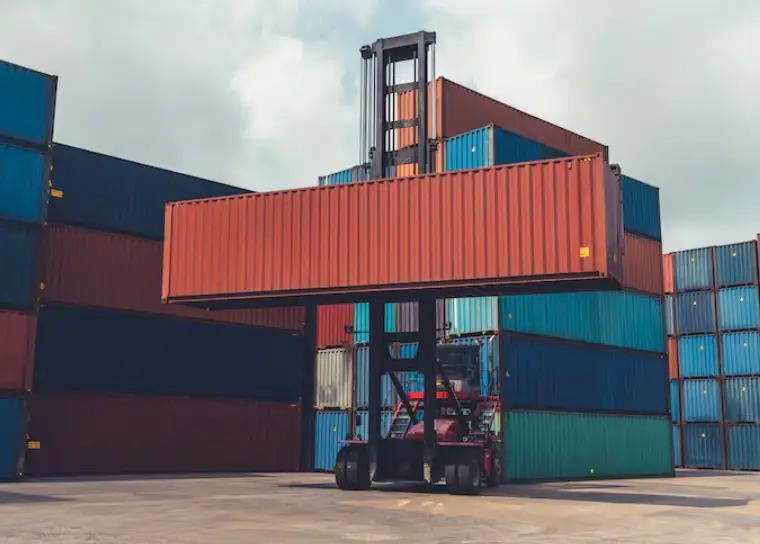
If you are running a shipping container business, do you sometimes feel that managing operations is easy on paper, but in real life there are too many moving parts?
That is completely normal. Shipping container businesses deal with logistics, storage, transport planning, customer expectations, and pricing decisions all at the same time. The good part is that when you build strong systems, the business becomes smoother, more profitable, and easier to scale.
Below are twelve smart logistics and commerce tips that can help shipping container businesses improve daily operations and grow in a steady way.
1. Keep Your Container Inventory Organized
A shipping container business runs on inventory. You should always know how many containers you have, what condition they are in, and where they are located.
When inventory is organized, you avoid confusion and delays. It also helps you respond faster to customer requests, which improves your business image.
2. Track Container Condition Regularly
Containers are valuable assets. Checking their condition regularly helps maintain quality and reduces repair costs.
Simple inspections for rust, door sealing, flooring condition, and structural dents keep your stock reliable. When customers receive well-maintained containers, they trust your business more.
3. Use Clear Pricing Based On Container Type And Condition
Pricing should be clear and consistent. Customers often ask about the difference between new, used, refurbished, and modified containers.
If you explain pricing based on condition and type, customers feel more comfortable. It also reduces unnecessary back-and-forth conversations.
Clear pricing supports faster sales and smoother negotiations.
4. Build Reliable Delivery And Transport Partnerships
Logistics is one of the biggest parts of container commerce. Even if you have good inventory, delivery delays can affect customer satisfaction.
Working with reliable transport partners helps you maintain consistent timelines. It also reduces operational stress because you can plan dispatch more confidently.
5. Plan Storage Yard Layout For Efficiency
A well-planned storage yard saves time daily. When containers are stacked and arranged properly, your team can locate and move units faster.
Good yard planning also reduces damage risk during lifting and shifting. Over time, this supports smoother operations and better safety.
6. Improve Documentation And Paperwork Handling
Shipping container transactions often involve documentation like invoices, delivery receipts, condition reports, and sometimes export-related paperwork.
Keeping paperwork clean and organized makes your business look professional. It also helps avoid misunderstandings and supports smoother customer service.
7. Offer Clear Product Information To Customers
Customers want clarity. They want to know container dimensions, condition, delivery options, and what is included.
Providing clear details builds confidence and reduces confusion. It also improves conversion because customers feel ready to make a decision.
If your business offers a shipping container for sale, having clear specifications and transparent service terms helps customers feel comfortable and informed.
8. Focus On Customer Service And Quick Response
In logistics businesses, response time matters a lot. Many customers are working on tight project schedules.
If your team responds quickly to inquiries, customers feel valued. Even if you cannot deliver immediately, clear communication helps maintain trust.
Good customer service also increases referrals, which supports business growth naturally.
9. Maintain Strong Repair And Refurbishment Support
Refurbishment adds value. Many customers are happy to buy used containers if they are in good condition.
Having a reliable repair process helps you keep more containers sale-ready. It also supports better margins because refurbished stock can be sold at a stronger value.
Even simple improvements like fresh paint, door sealing, and flooring checks can increase customer satisfaction.
10. Understand Market Demand In Different Industries
Shipping containers are used for many purposes today. They are used for storage, construction projects, portable offices, retail units, and even modular housing.
Understanding demand trends helps you stock the right types of containers. It also helps you market your inventory more effectively.
When you know which industries are buying more, you can plan inventory and pricing more smartly.
11. Improve Cash Flow Planning For Business Stability
Container businesses involve large assets, so cash flow planning is important.
It helps to plan payments, purchase cycles, and delivery expenses properly. When cash flow is stable, your business can take advantage of bulk purchase opportunities and grow without pressure.
Stable cash flow also helps you maintain good relationships with suppliers and logistics partners.
12. Build A Strong Local And Online Presence
Many container buyers search online before contacting a seller. Having a strong website, clear listings, and updated contact details helps you attract more customers.
Local visibility also matters. Building relationships with contractors, logistics companies, and construction businesses can bring consistent leads.
When your business is visible both online and offline, growth becomes much easier and more stable.
Final Thoughts
Shipping container businesses grow best when logistics and commerce work together smoothly. Organized inventory, reliable delivery partners, strong customer service, clear pricing, and stable documentation systems all support long-term success. When you also understand market demand and plan cash flow properly, your business becomes more confident and scalable. With the right systems in place, shipping container operations can run in a clean, professional, and profitable way.