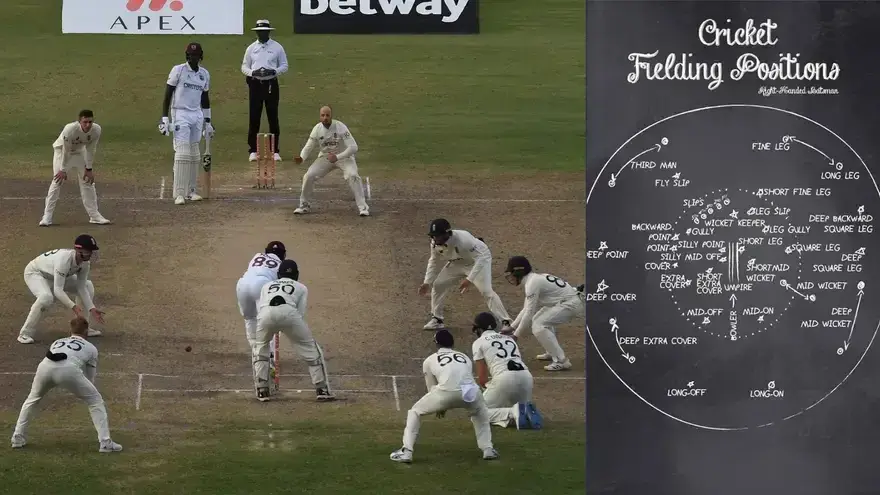
Field placement is one of the most important tactical tools available to a cricket captain. And by making the 1xBet অ্যাপ ডাউনলোড, you will also be able to bet on cricket teams that have great captains too.
While the bowler delivers the ball, it is the field that turns a plan into pressure, wickets, or run control. Effective field settings are designed to complement bowling tactics, exploit a batter’s weaknesses, and adapt to 3 aspects:
- match format;
- pitch conditions;
- and game situations.
At its core, field placement balances 2 competing objectives: taking wickets and preventing runs. In attacking situations, such as early in a Test match with a new ball, captains often crowd the bat with close catchers. Make sure to make the অ্যাপ ডাউনলোড procedure in order to get the 1xBet software into your mobile device, so you can bet on great cricket matches as well.
Multiple slips, a gully, short leg, or silly point are positioned to catch edges and bat-pad chances. This approach aligns with classic “off theory,” where bowlers target the corridor just outside off stump to induce mistakes, supported by a cordon of slip fielders ready for catches behind the wicket. This tactic has been a cornerstone of fast bowling strategy for over a century and remains central to modern red-ball cricket.
Adapting this aspect to changing game conditions
As conditions or match context change, fields become more balanced or defensive. In limited-overs formats such as ODIs and T20s, captains are often more concerned with run containment. Boundary riders are used to protect high-scoring areas and limit 4s and 6s, with some examples being deep mid-wicket, long-on, long-off, deep cover, and 3rd man. Ring fielders, placed in positions such as point, cover, and mid-off, are rotated to cut off singles and build scoreboard pressure, forcing batters to take risks.
Field placement also reflects the type of bowler in operation. Fast bowlers typically have more fielders behind square on the off side, supporting seam movement and edge-catching opportunities. Spinners, by contrast, often use leg-side catchers like short leg and leg slip, as well as close-in fielders such as silly point, to capitalize on bat-pad chances and misjudged defensive shots. This tailored approach helps bowlers execute specific plans against different batting styles.
Ultimately, successful field placement is dynamic. Captains constantly adjust based on 3 elements: batter strengths, pitch behavior, and the state of the match. A well-set field not only supports the bowler’s strategy but also applies psychological pressure, making field placement a subtle yet decisive factor in winning cricket matches.