Corrugated boxes at some instances stay prone to get products to be damaged by moisture during shipping and storage. When the water penetrates businesses, there are problems such as mold, loss in strength, or destroyed products.
It is easy to correct this with easy actions and intelligent decisions. This manual demonstrates how corrugated packaging boxes may be kept dry. It gives a chance to keep such items as food, electronics, or clothes safe. Organisations save on expenses and retain consumers in a happy mood by keeping moisture at bay.
Why Moisture Hurts Corrugated Boxes?
Between flat linerboards, there is a wavy flute layer in corrugated boxes. This structure is made soft by water and loses up to 30 percent of its strength. Boxes are less sturdy and more easily crushed under the piles.
Products inside suffer too. Wet paper fibers clump up and are obstructionary to air passage. This causes condensation which damages delicate items. The problem is aggravated by high humidity in the trucks or warehouses. Prevention maintains boxes, goods are secure.
Selecting the Appropriate Box Materials?
Begin with custom corrugated shipping boxes that are moisture resistant. Use pick boards that are coated with poly liners or wax. These prevent the water from evaporating. Plain white stock is not as strong as kraft paper in damp conditions. Extra toughness against wet conditions Test board grades such as 44 ECT.
The following are smart material selections:
- Additional layers are provided by the use of double wall boxes which delay the spread of water.
- Recycled material using natural resins is resistant to changes in humidity.
- Liners with a clay-asphalt coating release the drops of water on the surface.
Include Coatings and Treatments To Protect
Surfaces of the box are covered with coating and deter water. Wax dips or sprays immediately after manufacturing. These form an insulating layer, which endures during the handling. Varnish options are also applicable in printed designs. They preserve the ink and prevent the dampness.
The principal advantages of coating are:
- Edible goods paraffin wax that is food safe.
- Electronic polyethylene films that despise wet paper.
- UV topcoats which are fast-drying and not prone to fingerprints.
Empty Tubes with Desiccants and Absorbers
Insert moisture absorbers in the box together with your products. Silica gel packets draw the water vapor off the air. Clay desiccants deal with heavy loads of large deliveries. Their relative humidity is less than 40 per cent. Fasten them with inserts to make them remain.
Effective absorber tips:
- Prick packets with holes to allow more air to get in.
- Select non-toxic forms of food or cosmetic packaging.
- High volume order to reduce the prices per box.
Improve Packing Techniques
Tightly pack an item to resist the accumulation of moisture. First wrap the products in vapor blocking such as plastic wraps. Add foam or air pillows to avoid movement in empty spaces. Water-activated tight seal boxes. It adheses more during the wet season.
Smart packing steps:
- Clothes boxes with flaps open to dump rain on conveyor belts.
- Do not overpack resulting in the squashing of inner layers and confinement of steam.
- Kwick Packaging provides bespoke inserts that would fit once to fit snugly and dry.
Storage and Shipping Conditions Control
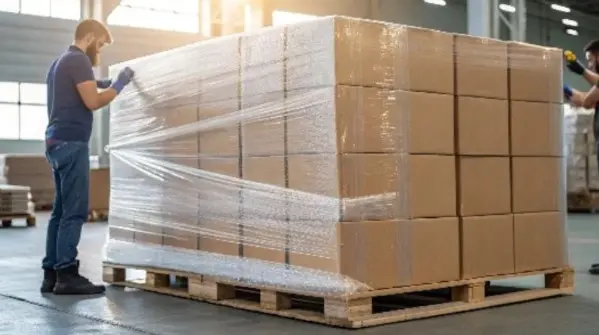
Place store boxes in dry warehouses not against walls and floors. Pallets should be used and the height should be half a foot. Airflow and air dry are maintained by fans and dehumidifiers. Target 50 percent and 70 degrees Fahrenheit. Cover it with tarps in the rainy seasons.
Shipping fixes include:
- Select long haul trucks that are climate-controlled.
- Label boxes of Keep Dry arrows and handing warnings.
- Measure humidity using cheap sensors in test consignments.
Test and Monitor to Optimum Performance
Check out your before full run setup. Sample boxes must be put in a 90 percent humidity chamber after 48 hours. Crush tests following. Measure product quality too. Tweak using actual field trial results.
Ongoing checks:
- Measure weight of boxes before and after trips to find water gain.
- Educate train workers on signs of moisture such as stains or soft spots.
- Examine damage patterns periodically (quarterly) by reviewing carrier reports.
These are the best steps to use to make corrugated boxes strong and dry. Companies guard products, reduce losses and earn trust. Begin with good packing and coated materials. Add storage and absorbents. Your deliveries also come flawless each time. Wetness ceases to retard you.