There is a moment in every real estate deal when excitement takes over logic. The numbers look good, the property seems promising, and the fear of missing out starts creeping in. Many investors have rushed through this stage, only to discover later that they overlooked something important.
- Understanding the Property Itself
- Reviewing Title and Ownership Records
- Analyzing Zoning and Land Use Regulations
- Evaluating Financial Performance
- Studying the Local Market
- Reviewing Lease Agreements and Tenant Profiles
- Inspecting Environmental Risks
- Property Taxes and Insurance
- Reviewing Financing Terms Carefully
- Planning for Repairs and Capital Expenditures
- Confirming Utilities and Infrastructure
- Assessing Exit Strategy and Liquidity
- Reviewing Legal Compliance and Risk
- Final Walkthrough and Verification
- Conclusion
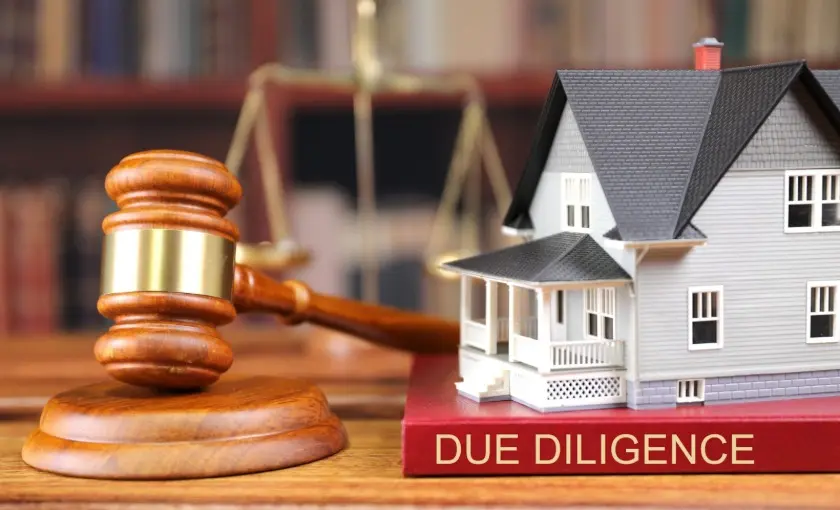
Due diligence is what protects you from that regret. It is the careful process of verifying every detail before committing your money. It is not about slowing down deals unnecessarily. It is about making sure what you see is truly what you get.
Real estate due diligence is not just an inspection. It is a complete review of the property’s physical condition, legal standing, financial performance, market position, and future potential. When done properly, it reduces risk, improves decision-making, and increases confidence.
Let’s walk through the full due diligence checklist that every serious real estate investor should follow.
Understanding the Property Itself
The first step in due diligence focuses on the property’s physical condition. Pictures can be deceiving, and hidden structural issues may lurk beneath an attractive exterior. A professional inspection should cover the roof, foundation, plumbing, electrical systems, HVAC, windows, insulation, and overall structural integrity, as even minor defects can lead to costly repairs.
Beyond the main structure, check drainage, landscaping, parking areas, and exterior walls. Signs of water damage, mold, pests, or foundation cracks should never be ignored. Bringing in specialists for high-risk areas can uncover hidden problems.
The property’s age is also important. Older buildings often need more maintenance. Reviewing maintenance records and renovation history helps anticipate future expenses and plan for replacements or upgrades.
Reviewing Title and Ownership Records
A property may look perfect, but legal complications can destroy a deal. Title research ensures the seller actually has the legal right to transfer ownership.
Request a full title search from a reputable title company. This search will reveal liens, unpaid property taxes, outstanding mortgages, or legal claims against the property. If these issues exist, they must be resolved before closing.
Easements are another important detail. An easement allows someone else to use part of the property for a specific purpose, such as utility access or shared driveways. These may limit how you use the land.
Also verify property boundaries through a professional survey. Boundary disputes between neighbors can become expensive legal battles. Confirming lot lines protects you from future surprises.
Analyzing Zoning and Land Use Regulations
Zoning laws determine how a property can be used. Before buying, confirm that the property’s current use complies with local zoning regulations.
If you plan to change the use of the property, such as converting a residential home into a rental property or redeveloping land, verify whether zoning permits it. Do not assume future approvals will be easy.
Check for building permits on previous renovations. Unpermitted work can lead to fines, forced corrections, or insurance issues. Local authorities can require you to fix non-compliant work at your own expense.
Understanding zoning restrictions protects your long-term strategy and ensures your plans are legally possible.
Evaluating Financial Performance
If the property generates income, reviewing financial records is critical. Request at least two to three years of income and expense statements.
Verify rental income through lease agreements and bank deposits. Do not rely solely on seller-provided summaries. Compare actual rent collected with market rates to determine if there is room for growth or if rents are already at peak levels.
Examine operating expenses carefully. This includes property taxes, insurance, maintenance, utilities, management fees, and repairs. Look for unusually low expenses that may indicate deferred maintenance.
Calculate the property’s net operating income and compare it to the asking price. This helps determine whether the property’s performance justifies the purchase.
Studying the Local Market
Real estate value is closely tied to location. Even a well-maintained property can struggle if it sits in a declining market.
Jake Miakota, CEO at Subdivisions, said, “Research neighborhood trends. Look at population growth, employment rates, crime statistics, school quality, and infrastructure developments. Nearby commercial growth or transportation improvements can increase long-term value.
Analyze comparable property sales in the area. This helps you understand whether the price aligns with current market conditions.”
Vacancy rates are another key factor. High vacancy in the area may signal weak demand. Stable occupancy suggests stronger market support.
Reviewing Lease Agreements and Tenant Profiles
If the property includes tenants, review all lease agreements carefully. Confirm lease duration, rental amounts, renewal terms, and security deposit handling.
Check for clauses related to early termination, maintenance responsibilities, and rent increases. Weak lease language can create future conflicts.
Understand tenant quality by reviewing payment history. Consistent on-time payments indicate stability. Frequent late payments may signal potential issues.
Also verify that security deposits are properly documented and transferable. Mishandling deposits can create legal liabilities.
Inspecting Environmental Risks
Environmental due diligence is often overlooked but extremely important. Contaminated soil, asbestos, lead paint, or underground storage tanks can lead to major expenses.
For commercial or older properties, consider ordering an environmental site assessment. This identifies potential contamination or hazardous materials.
Flood zone status is also critical. Properties located in flood-prone areas may require additional insurance, which affects operating costs.
Understanding environmental risks protects both your finances and your legal exposure.
Property Taxes and Insurance
Property taxes can significantly affect profitability. Verify current tax assessments and determine whether they may increase after the sale.
Some jurisdictions reassess property value after transfer, leading to higher taxes. Factor this into your financial projections.
Review insurance requirements and costs. Confirm the property is insurable and obtain quotes before closing. Properties with high risk factors may have expensive insurance premiums.
Adequate insurance coverage protects you against liability, damage, and unexpected events.
Reviewing Financing Terms Carefully
If you are using financing, review loan terms thoroughly. Understand interest rates, payment schedules, prepayment penalties, and balloon payments.
Check whether the loan includes personal guarantees. These clauses can affect your personal financial exposure.
Ensure that the property’s cash flow supports debt payments comfortably. Over-leveraging increases risk during market downturns.
Planning for Repairs and Capital Expenditures
Beyond immediate repairs, consider long-term capital expenditures. These include roof replacement, HVAC upgrades, plumbing overhauls, and exterior repainting.
Create a reserve budget for these future expenses. Ignoring capital costs leads to financial strain later.
Understanding both short-term and long-term repair needs allows you to negotiate price adjustments if necessary.
Confirming Utilities and Infrastructure
Verify that utilities such as water, electricity, gas, and sewage systems are properly connected and functional.
For rural properties, confirm septic system condition and well water quality. Repairs in these areas can be costly.
Check internet and communication infrastructure if tenants depend on reliable connectivity. Modern renters expect stable services.
Assessing Exit Strategy and Liquidity
While focusing on acquisition, it is wise to think ahead. Consider how easily the property could be sold in the future.
Is the property located in a desirable area? Is it attractive to a broad range of buyers? Unique properties may take longer to sell.
Having a clear exit strategy ensures flexibility if market conditions change.
Reviewing Legal Compliance and Risk
Ensure the property complies with local safety codes, fire regulations, and accessibility requirements.
Check for ongoing lawsuits involving the property. Legal disputes can delay transactions or create liabilities.
Consult with a real estate attorney if any aspect of the transaction seems unclear. Professional guidance reduces risk significantly.
Final Walkthrough and Verification
Before closing, conduct a final walkthrough to confirm the property’s condition has not changed.
Verify that agreed repairs were completed and no new damage occurred.
Confirm that all documents, disclosures, and agreements are properly signed and recorded.
This final step ensures nothing was overlooked.
Conclusion
Real estate due diligence is not a single task. It is a comprehensive process that protects your investment from hidden risks. From physical inspections to legal research, from financial analysis to market evaluation, every step adds clarity.
Investors who skip due diligence often pay for it later. Those who follow a structured checklist make decisions based on facts, not emotion. They understand what they are buying, what it will cost, and what risks exist.
A disciplined due diligence process turns uncertainty into confidence. It transforms a hopeful purchase into a calculated decision. In real estate, preparation is not optional. It is the foundation of long-term success.