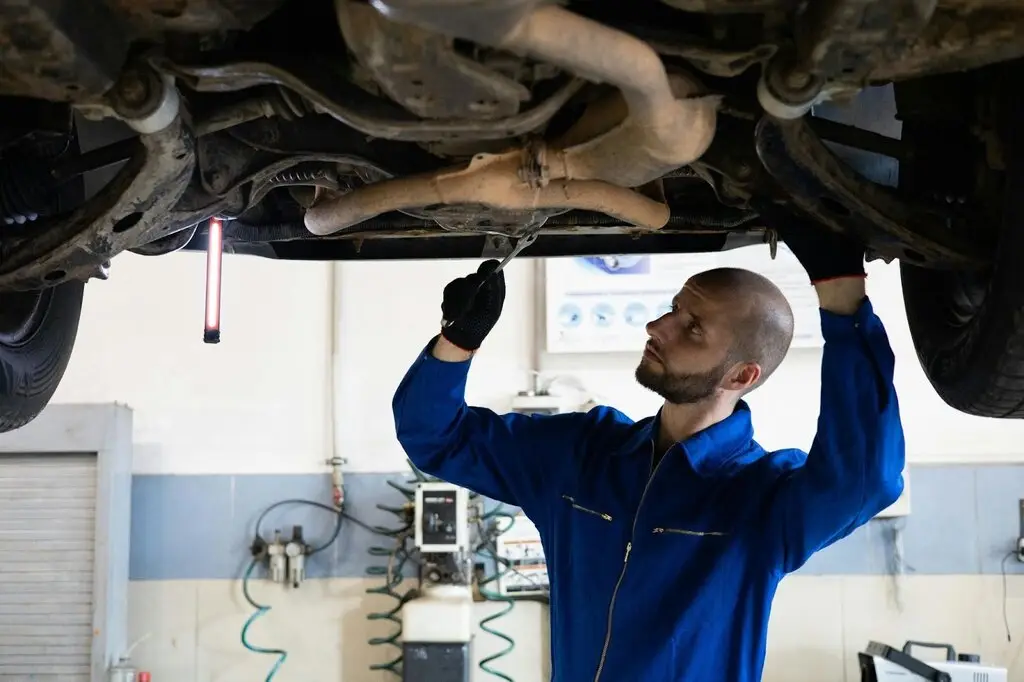
Photo by Artem Podrez: https://www.pexels.com/photo/man-in-blue-coverall-fixing-a-vehicle-8986100/
The automotive industry continues to evolve at an unprecedented pace, with advanced technologies reshaping how vehicles are diagnosed, repaired, and maintained. Traditional mechanical skills alone no longer suffice for technicians entering today’s workforce. Modern automotive education bridges this gap by integrating extensive technical training with practical application, creating professionals who understand both foundational principles and cutting-edge innovations. The question remains: what specific elements transform students into industry-ready technicians capable of commanding competitive salaries?
The Role of Automotive Education in Preparing Skilled Industry Professionals
The automotive industry demands professionals who possess both theoretical knowledge and hands-on technical expertise to maintain, diagnose, and repair increasingly complex vehicle systems.
Structured automotive education programs bridge the gap between classroom learning and workplace requirements by providing students with thorough training in modern diagnostic tools, electronic systems, and repair methodologies. These programs equip aspiring technicians with essential competencies including electrical system troubleshooting, engine performance analysis, and computer-aided diagnostics.
Students gain exposure to manufacturer-specific procedures, safety protocols, and industry-standard equipment used in professional service environments. Furthermore, accredited automotive education guarantees graduates meet certification requirements from organizations like ASE, establishing credibility with employers. This formal training accelerates career entry, reduces on-the-job learning curves, and positions individuals for advancement in dealerships, independent shops, and specialty automotive sectors.
How Automotive School Programs Combine Classroom Learning With Hands-On Training
A well-designed automotive school emphasizes the seamless connection between theory and application, ensuring students develop both technical knowledge and practical competence. By structuring coursework around real-world scenarios, an automotive school prepares learners to transition confidently from training environments into professional service bays.
Building on these foundational requirements, successful automotive education programs structure their curricula around a dual-delivery model that integrates theoretical instruction with applied laboratory experience.
Students first learn diagnostic principles, system operations, and repair procedures through classroom instruction, then immediately apply these concepts in workshops equipped with industry-standard tools and equipment. This integrated approach enables students to troubleshoot actual vehicle problems, perform precision measurements, and execute repairs under instructor supervision.
Programs typically dedicate equal time to both learning environments, ensuring students understand the engineering principles behind each system while developing the manual dexterity and problem-solving skills employers demand. Modern facilities feature current-generation vehicles, diagnostic computers, and specialized equipment that mirror professional shop environments, preparing graduates for immediate workplace integration.
Developing Diagnostic and Technical Skills for Modern Vehicle Systems
Today’s automotive technicians must master increasingly complex systems that integrate mechanical components with advanced electronics, computer networks, and software-controlled operations. Automotive education programs focus on developing diagnostic competencies through systematic troubleshooting methodologies and scan tool proficiency. Students learn to interpret diagnostic trouble codes, analyze sensor data, and trace electrical circuits within sophisticated vehicle networks.
Technical training emphasizes hands-on experience with fuel injection systems, hybrid powertrains, advanced driver assistance systems, and electric vehicle components. Programs incorporate manufacturer-specific diagnostic equipment and software platforms that technicians will encounter in professional settings.
Students develop critical thinking skills to diagnose intermittent problems and identify root causes rather than simply replacing components. This thorough skill development prepares graduates to service modern vehicles efficiently while adapting to emerging automotive technologies throughout their careers.
Understanding Emerging Technologies Including Hybrid and EV Platforms
As transportation shifts toward electrification and alternative powertrains, automotive education programs must equip students with specialized knowledge beyond traditional internal combustion engine systems.
Thorough curricula now incorporate hybrid vehicle architecture, battery management systems, electric motor operation, and high-voltage safety protocols. Students learn to diagnose regenerative braking systems, analyze power electronics, and interpret electric drivetrain data using manufacturer-specific diagnostic equipment.
Hands-on training with actual hybrid and electric vehicles prepares technicians for real-world service scenarios. Programs address thermal management systems, charging infrastructure, and software integration unique to electrified platforms.
Understanding these emerging technologies positions graduates as valuable assets to dealerships and independent shops guiding the industry’s shift. Technical expertise in both conventional and electric powertrains creates versatile professionals capable of servicing the evolving vehicle fleet.
Gaining Real-World Experience Through Internships and Shop Practice
Classroom instruction in automotive technology provides foundational knowledge, yet practical application in working service environments completes professional development. Internships connect students with dealerships and independent shops, exposing them to customer interactions, workflow management, and diagnostic challenges that textbooks cannot replicate. Students learn to work under time constraints, prioritize repairs, and communicate technical findings to service advisors and vehicle owners.
Hands-on shop practice develops muscle memory for essential tasks like brake replacement, suspension repairs, and electrical diagnostics. Students become proficient with scan tools, multimeters, and specialized equipment while understanding proper safety protocols. This experiential learning builds confidence and competence simultaneously.
Employers value candidates who demonstrate practical skills alongside theoretical knowledge. Internship experience often leads to job offers, as shops prefer hiring technicians already familiar with their operations and standards.
Building Professional Certifications and Industry Credentials
Professional certifications validate technical competence and distinguish qualified technicians in a competitive job market. Industry-recognized credentials like ASE (Automotive Service Excellence) certification demonstrate mastery of specific automotive systems and repair procedures. These certifications require passing rigorous examinations that test both theoretical knowledge and practical application skills.
Manufacturer-specific credentials from companies like Ford, Toyota, or BMW provide specialized training on proprietary systems and technologies. Technicians with these certifications command higher salaries and better employment opportunities.
Many automotive education programs align their curriculum with certification requirements, allowing students to pursue credentials while completing their studies. Advanced certifications in emerging technologies such as electric vehicles, hybrid systems, and advanced driver assistance systems position technicians for future industry demands. Maintaining certifications through continuing education guarantees professionals remain current with evolving automotive technologies.
Creating Long-Term Career Opportunities Through Continuous Skill Development
The automotive industry’s rapid technological transformation demands that technicians commit to lifelong learning to maintain career relevance and advancement potential. Electric vehicles, autonomous driving systems, and advanced diagnostics require professionals to regularly update their knowledge base through specialized training programs and workshops.
Employers prioritize candidates who demonstrate adaptability and willingness to master emerging technologies. Technicians who pursue continuous education access higher-paying positions, management roles, and specialized fields like hybrid systems or performance tuning. Many manufacturers offer advanced training programs that lead to master technician status and increased earning potential.
Professional development extends beyond technical skills to include customer service, shop management, and business operations. This all-encompassing approach creates pathways to ownership opportunities, diagnostic specialist positions, and training instructor roles within the automotive sector.