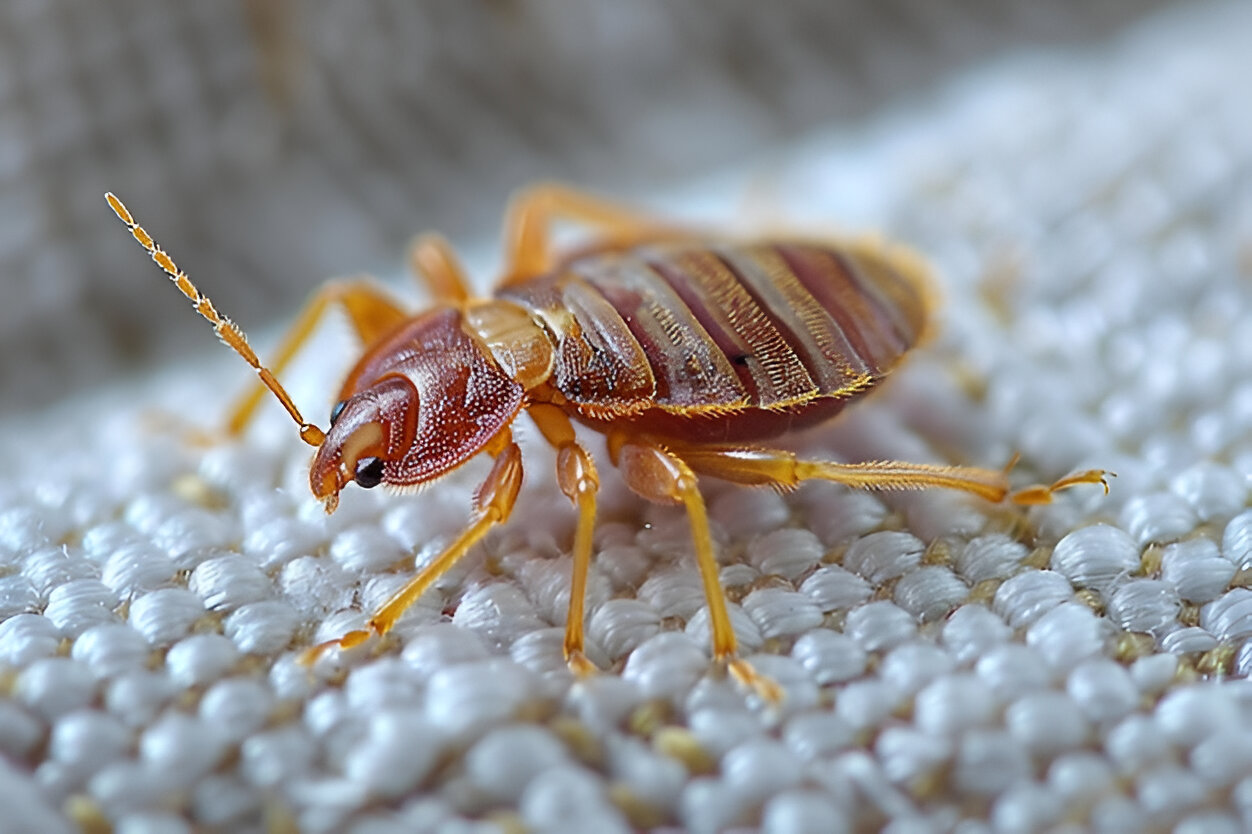
Just because it’s freezing outside doesn’t mean you’re safe from bed bugs. In fact, for many homeowners in Wisconsin, February is one of the worst times for infestations. While mosquitoes and ants take a break in the cold, bed bugs adapt—and thrive—indoors.
So, if you’ve been waking up with unexplained bites or spotting tiny black dots on your sheets, it’s not your imagination. Bed bugs are very much alive and active this winter.
Let’s break down why bed bugs don’t go away in February, how your home might be making things worse, and why scheduling a bed bug treatment in Wisconsin could be your smartest move of the season.
Why Bed Bugs Don’t Die in the Cold
Survival Instincts and Hiding Spots
Unlike pests that live outside, bed bugs are indoor dwellers. They hide in mattress seams, baseboards, electrical outlets, and even inside furniture. These warm, protected spots shield them from cold air.
They Can Tolerate Chilly Temps
Bed bugs can survive in temperatures as low as 46°F for extended periods. While they can eventually die in freezing conditions, it takes a sustained, deep freeze—far colder than what your average home experiences.
Winter Travel Spreads Infestations
February often follows a season of holiday travel and visiting guests. That means more opportunities for bed bugs to hitch a ride on luggage, coats, or blankets—and find new homes.
How Indoor Heating Helps Bed Bugs Thrive
Perfect Conditions for Reproduction
Your thermostat is doing bed bugs a huge favor. With indoor temps kept between 65°F and 75°F, you’re essentially giving them ideal breeding conditions. A single female can lay hundreds of eggs in her lifetime—many of which survive and hatch during winter.
Close Quarters Make It Worse
In the winter, we spend more time indoors, bundled under blankets, and sleeping longer hours. All of this increases exposure and makes it easier for bed bugs to feed undetected.
Heated Buildings Mean Year-Round Activity
Apartments, hotels, and multi-unit housing often have consistent heat across shared walls and floors. This makes it easy for bed bugs to migrate between units, creating multi-room or building-wide infestations.
Signs of Infestation in February
Clues to Watch For
- Small red or brown stains on sheets
- Tiny dark droppings along mattress seams
- Shed skins or eggshells in crevices
- Itchy, red bites in lines or clusters
Less Obvious Signs
- A sweet, musty odor in affected rooms
- Pets scratching more than usual
- Bites that appear overnight but don’t swell immediately
Don’t wait for the signs to escalate. The sooner you confirm an infestation, the easier—and cheaper—it is to eliminate.
Why Heat Treatment Is Still the Best Option
Effective Even in Cold Weather
Heat doesn’t just work in the summer. Professional heat treatments raise indoor temps to 130°F–140°F, killing all life stages of bed bugs—including hidden eggs.
No Chemicals, No Multiple Visits
Unlike chemical sprays that often require several applications, a single heat treatment can eliminate an entire infestation in one visit. It’s non-toxic, fast, and safe for families and pets.
Minimal Disruption
Most heat treatments are completed within 6–8 hours. You’ll need to prep your space, but you won’t be tossing out furniture or waiting days to re-enter your home.
Safe for Your Home and Belongings
When performed by trained professionals, heat treatment won’t damage electronics, mattresses, or personal items—making it ideal for Wisconsin homes during winter.
What to Expect When You Schedule Treatment
Step 1: Inspection
A technician will assess your home and confirm the infestation. This helps determine how large the problem is and how to prepare.
Step 2: Pre-Treatment Prep
You’ll receive a checklist to prepare the space—like removing heat-sensitive items, decluttering, and vacuuming.
Step 3: Treatment Day
Technicians will bring specialized heaters and monitoring equipment. Your home will be heated to a target temperature for several hours.
Step 4: Follow-Up Support
After treatment, you may receive tips for avoiding reinfestation and be offered a monitoring plan for peace of mind.
Final Thoughts
Winter might lull you into thinking bugs are gone—but that’s exactly when bed bugs dig in deeper. If you suspect activity or just returned from a trip, don’t wait until spring to act.
Booking a bed bug treatment in Wisconsin in February could save you from months of bites, stress, and disruption.
A single heat treatment offers fast, chemical-free relief—and when the cold keeps you inside, there’s no better time to reclaim your home from bed bugs.