Martinique is easy to misunderstand at first glance. On a map, it looks like just another Caribbean island – small, green, ringed by beaches. But once you arrive, it becomes clear that this place follows a slightly different rhythm. Martinique isn’t a tropical escape from Europe so much as a place where Europe quietly settled and never fully left.
As an overseas region of France, the island carries its European roots in subtle, everyday ways. Road signs are in French. Bakeries open early. Lunch hours are respected. You’ll hear Creole spoken alongside formal French, and the two cultures are both represented. That sense of normal life is one of Martinique’s strengths. It doesn’t try to impress. It simply exists.
Getting around the island is part of that experience. Martinique is compact, but it isn’t flat or predictable. The north feels wild and weathered, with steep roads climbing into rainforest and volcanic slopes. The south opens into calmer bays and gentler drives, where the sea stays close and the pace slows naturally. To move between these worlds without friction, most visitors eventually realise that having a car makes all the difference.
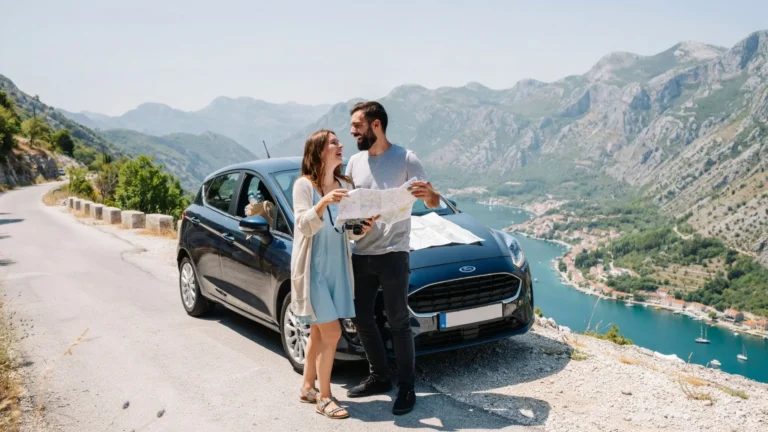
If you’ve ever searched about rent a car Martinique, you’ve probably already seen how common this advice is. Public transport does exist, but it’s limited, especially outside towns and in the evenings. Buses don’t wait, routes can be confusing, and taxis add up quickly. Renting a car gives you freedom without drama. Companies such as addCar Rental operate much like they would in mainland Europe – straightforward, efficient, and quietly reliable. You pick up the keys, adjust the mirrors, and the island opens up.
Driving here isn’t stressful, but it does ask for attention. Roads narrow quickly once you leave the main routes, and rain can change conditions fast, especially in the north. Distances are short, yet journeys take time. Not because of traffic, but because you’ll slow down. You’ll stop for viewpoints. You’ll follow a sign to a beach you hadn’t planned on visiting. This isn’t inefficient travel – it’s the point.
The landscape itself encourages that slower pace. In the north, Mont Pelée rises above everything else, often hidden behind cloud. It’s a presence rather than a postcard view. Hiking here feels serious, not staged. Trails can be muddy, weather changes quickly, and preparation matters. Leaving early, wearing proper shoes, and respecting conditions aren’t suggestions – they’re part of how the island works. Nature sets the rules.
History lingers quietly nearby. In Saint-Pierre, once the island’s capital, reminders of the 1902 eruption are scattered through the town. Ruins sit beside the sea. Life continues around them. It’s understated and honest, the way Martinique tends to be.
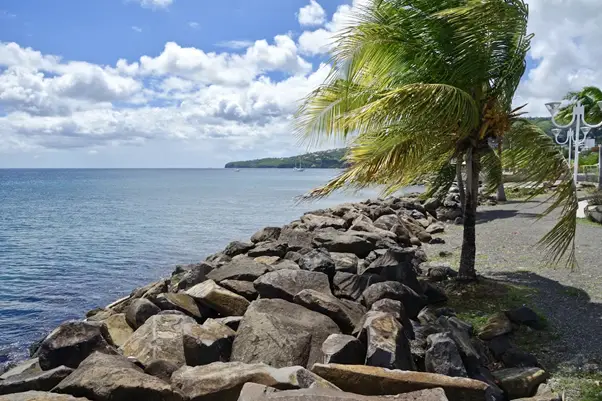
Further south, the island softens. Roads curve along the coast, beaches appear more often, and days stretch longer. This is where many people come to slow down completely, but even here, Martinique resists becoming a resort version of itself. Locals still use the beaches. Evenings stay calm. Nothing feels staged for visitors.
One thing worth knowing before you arrive is that food and drink are treated seriously, but not loudly. Rhum, in particular, is part of daily life rather than a tourist attraction. Distilleries work quietly in the background, following traditions tied closely to the land. Visiting one isn’t about spectacle – it’s about understanding how deeply agriculture and climate shape the island’s identity.
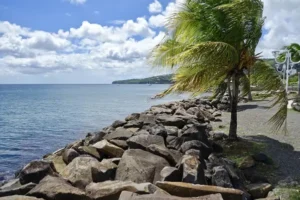
Weather plays its part too. The dry months are sunny and the sea is at its calmest but that also means more people. Outside of peak season, rain arrives in short, heavy bursts. The island turns greener and quieter. There’s no bad time to visit – just different versions of Martinique, depending on when you go.
Perhaps the most useful thing to know before visiting is that Martinique doesn’t explain itself. It doesn’t lean into clichés or chase attention. It rewards travellers who observe rather than expect, who don’t mind letting a day unfold without a clear agenda.
With a rental car, a bit of curiosity, and no rush to be elsewhere, the island reveals itself slowly. And when it does, it feels less like a destination you visited – and more like a place you spent real time in.