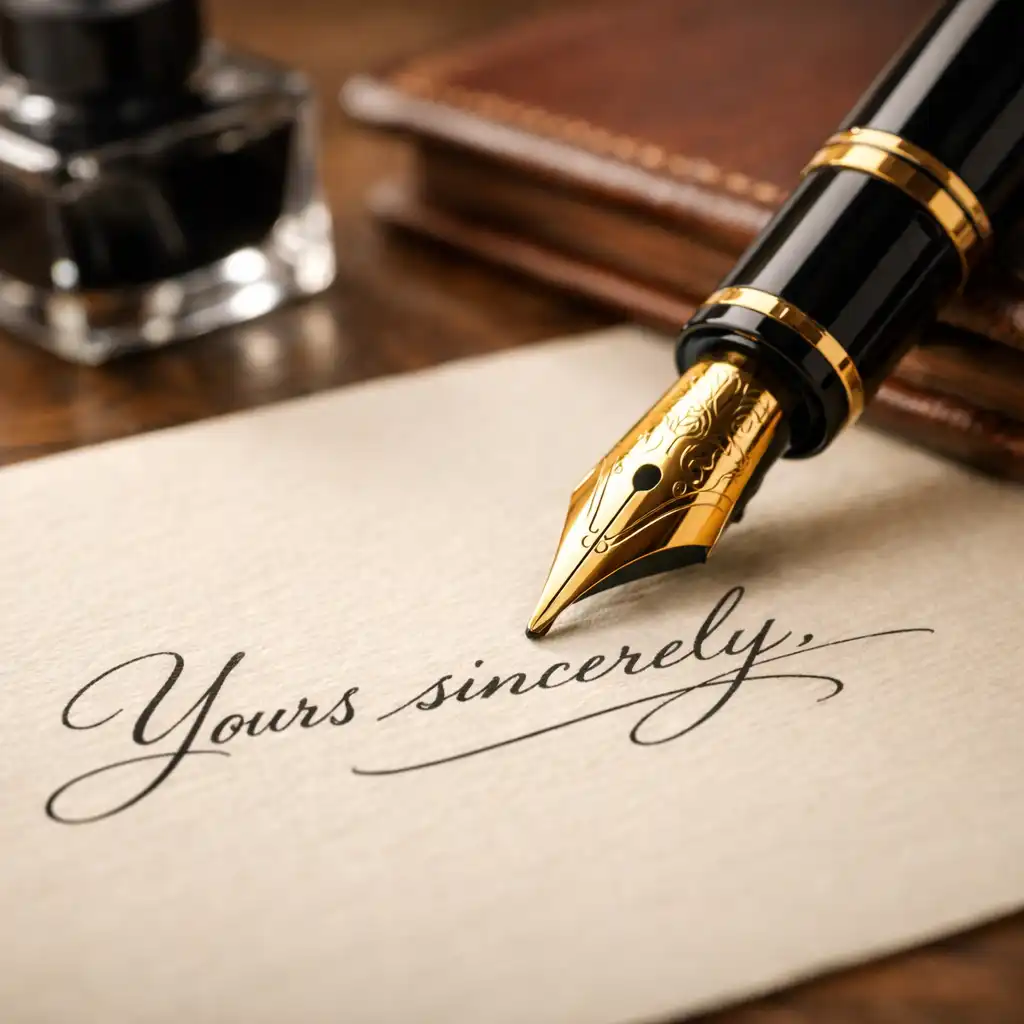
In an era defined by the relentless march of digital progress, where communication is measured in milliseconds and thoughts are often reduced to fleeting bits of data, a quiet rebellion is taking place. This rebellion doesn’t involve complex algorithms or high-tech gadgets; instead, it centers around a tool that has remained largely unchanged for over a century: the fountain pen.
For those who appreciate the tactile feedback of nib on paper, the legacy of skilled fountain pen makers continues to preserve a tradition of craftsmanship that mass-produced plastic pens simply cannot replicate. Writing with a fountain pen isn’t just about putting ink on a page; it’s an experience that connects the writer to the word in a deeply personal, almost meditative way.
The Anatomy of Excellence: Why Craftsmanship Matters
To understand the enduring appeal of the fountain pen, one must first look at its construction. Unlike the disposable ballpoint, which relies on a tiny rolling ball and thick, oil-based ink, a fountain pen is a masterpiece of fluid dynamics. It utilizes capillary action and gravity to deliver liquid ink through a precisely engineered feed to a metal nib. This system allows for a level of control and expressiveness that no other writing instrument can match.
The nib itself is the heart of the pen. Often made from stainless steel, gold, or even titanium, the nib is split down the center to create a channel for ink. The way the tines of the nib flex and spread under pressure allows for line variation the ability to create thick downstrokes and thin upstrokes, which is the hallmark of beautiful calligraphy and personalized handwriting.
Modern manufacturing can produce nibs by the thousands, but the world’s finest pens are still hand-tuned by master “nibmeisters” who ensure that every stroke is smooth, consistent, and perfectly balanced.
A Connection to History and Human Thought
The history of the fountain pen is, in many ways, the history of modern thought. Before the digital age, every great treaty, every classic novel, and every world-changing scientific theory was brought to life through the medium of ink and paper. When you hold a fountain pen, you are holding a direct link to that heritage.
There is a psychological shift that occurs when one switches from a keyboard to a pen. Typing is an act of translation; you press a key, and a character appears on a screen. Writing with a fountain pen is an act of creation.
The slow, deliberate pace required to form letters by hand encourages deeper reflection. It forces the writer to slow down, to consider their words before they are committed to the page. This “slow writing” movement has gained traction among journalers, poets, and professionals alike, all seeking an escape from the frantic pace of modern life.
The Sustainability Factor: A Pen for a Lifetime
In today’s “throwaway” culture, the fountain pen stands as a beacon of sustainability. The average person will go through hundreds of disposable plastic pens in their lifetime, most of which end up in landfills or oceans. A high-quality fountain pen, however, is designed to be a lifelong companion.
By using a converter and a refillable reservoir, a writer can draw ink directly from a bottle, eliminating the need for single-use plastic cartridges. Bottled ink also opens up a world of possibilities that digital screens cannot replicate.
From shimmering inks that glint in the light to sheening inks that change color as they dry, the variety is staggering. Furthermore, the act of maintaining a pen—cleaning it, flushing the nib, and choosing the perfect ink—turns the mundane task of writing into a rewarding ritual.
The Ergonomics of Writing: Comfort Over Convenience
One of the most practical benefits of the fountain pen is its ergonomic design. Because the ink flows naturally via capillary action, the writer does not need to apply significant pressure to the page. This is in stark contrast to ballpoint pens, which require the writer to “press down” to get the ink moving. Over long writing sessions, this pressure leads to hand fatigue and cramping.
For students, academics, and professionals who still take long-form notes, a fountain pen is often a revelation. The pen glides across the paper, allowing for a light touch that preserves the health of the hand and wrist. This ease of use, combined with the ability to choose a pen that perfectly fits the size and weight of one’s hand, makes it the ultimate tool for anyone who takes the act of writing seriously.
The Renaissance of the Handwritten Note
We live in a world of “instant” communication, but we are also living in a world of “invisible” communication. An email is easily deleted; a text message is quickly forgotten. But a handwritten note carries weight. It carries the physical presence of the sender.
In the corporate world, a handwritten thank-you note on quality stationery can do more to build a relationship than a dozen LinkedIn messages. It shows that the sender took the time to stop, think, and craft something unique.
The fountain pen is the perfect tool for this. It adds a touch of class and intentionality to every word, signaling to the recipient that they are worth more than a few seconds of typing.
An Instrument for the Future
As we look toward the future, it is clear that the fountain pen is not a relic of the past, but a tool for a more mindful tomorrow. It represents a choice to value quality over quantity, soul over speed, and permanence over the ephemeral. Whether you are a seasoned collector or a curious newcomer, the world of fountain pens offers a richness that is increasingly rare in our digitized lives.
By choosing a tool crafted by dedicated, you are not just buying a pen; you are investing in a tradition. You are choosing to make your mark on the world with style, grace, and a level of personal connection that only ink on paper can provide. In the end, the fountain pen reminds us that while technology may change how we communicate, the human need for expression remains as timeless as the flow of ink itself.