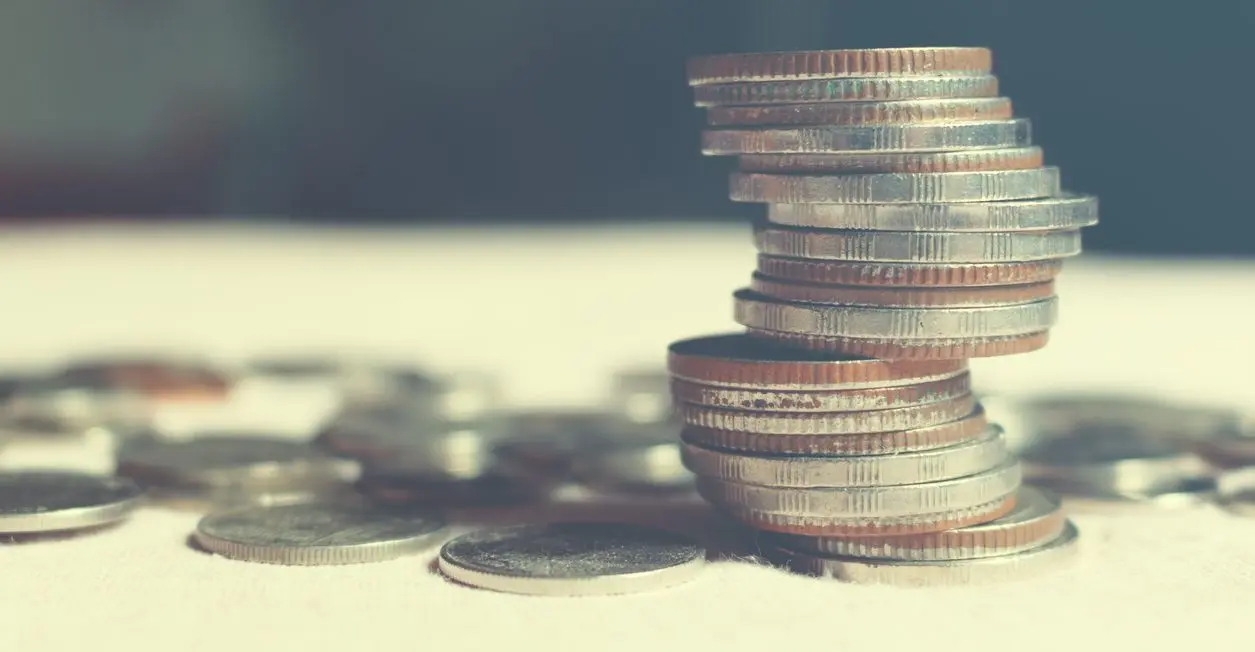
Many people inherit coin collections or build them slowly over time. Some collections stay complete, but most do not. Coins get sold, lost, gifted, or separated over the years. By the time you decide to sell, you may only have part of a set left.
If you are in Tyler, TX and thinking about selling a partial coin collection, you might wonder if missing pieces hurt your outcome or make the process more complicated. The truth is simple. You can still have a smooth and worthwhile experience. You just need to understand how buyers evaluate partial collections and what matters during the process.
This guide walks you through what really happens when you bring in a partial coin collection and how to approach the sale with confidence.
Why Most Coin Collections Are Not Complete
Very few collections stay intact over time. Life gets in the way. People add coins at different stages. Some coins get traded. Others get passed down through generations. You might have a handful of older coins from a parent or grandparent. You might have collected coins yourself but never finished a full series. In many cases, sellers feel unsure because they think a collection must be complete to have value.
That is not how professional buyers see it. A partial collection still holds value based on the coins you actually have, not the ones that are missing.
How Buyers Approach Partial Coin Collections
When you bring in a partial collection, the focus shifts from the idea of a complete set to the details of each coin. Buyers look at what is in front of them. They do not judge your collection based on what is missing. They evaluate each coin on its own.
Here is what typically happens during the process:
- Coins get grouped by type, metal, and condition
- Each coin gets inspected for authenticity
- Dates, mint marks, and visible features get reviewed
- The overall mix of the collection is considered
This approach removes pressure from the idea of completeness. It keeps the focus on what you actually own.
Why Individual Coins Still Matter
Each coin tells its own story. Some coins carry value because of their metal content. Others stand out because of their age, rarity, or design. Even if your collection feels incomplete, a single coin can still stand out.
For example, older coins with specific mint marks may attract more attention. Coins in better condition may also stand apart from others in the group. A professional buyer takes the time to look at each piece instead of treating the collection as one bulk item.
The Role of Coin Condition
Condition plays a big role in how coins get evaluated. You may hear terms like worn, circulated, or well-preserved during the process. You do not need to know technical grading terms before you walk in. A good buyer explains what they see in simple language.
Coins that show heavy wear still hold value, especially if they contain silver or come from older periods. Coins that look sharper or cleaner may draw more interest depending on the type. The key point is this. Condition matters, but it does not disqualify coins from being worth something.
Why Missing Coins Do Not Ruin the Experience
Many sellers feel hesitant because they think missing coins reduce the appeal of their collection. That mindset often comes from the idea of collector sets. While collectors may prefer complete sets, buyers who evaluate coins every day take a different approach. They focus on the coins present, not the ones that are missing.
A partial collection often includes a mix of coins that still carry real value. Some sellers even feel relieved when they learn that completeness is not required.
How Silver Content Affects Coin Evaluation
Many older coins contain silver. This includes coins minted before certain years that used higher silver content. During appraisal, buyers check for these coins and separate them from others. Silver content becomes one of the key factors in evaluation.
Even if your collection feels random or incomplete, silver coins within it can still stand out as important pieces. This is one of the reasons sellers often feel surprised during the process. Items they overlooked may turn out to matter more than expected.
Sorting Coins Into Groups
A clear step during appraisal involves sorting coins into groups. This helps create structure and clarity.
Coins may get grouped by:
- Metal type
- Year range
- Country of origin
- Denomination
This step helps both the buyer and the seller understand the collection better. It also makes the evaluation easier to follow. When you see your coins organized in front of you, the process feels more transparent and less confusing.
What Sellers Often Feel During the Process
Selling coins can feel personal. Even if you are not a collector, these items often connect to family history or past experiences. Some sellers feel unsure walking in. Others feel curious or even overwhelmed.
A good local buyer understands this and keeps the experience calm and respectful. They explain each step, answer questions, and give you time to think. There is no rush. You stay in control the entire time.
Why Local Evaluations Make a Difference
When you sell a partial coin collection locally, you get something that online options cannot offer. You get real-time clarity. You see the process. You hear explanations. You ask questions. You understand how each coin gets reviewed.
There is no waiting for shipping. There is no wondering what happens behind the scenes. For many sellers in Tyler, this face-to-face experience removes stress and builds confidence.
Common Misunderstandings About Partial Collections
Many sellers walk in with assumptions that do not hold up during appraisal.
Here are a few common ones:
- My collection is incomplete, so it probably is not worth bringing in
- Only rare coins matter
- Coins must look perfect to have value
- I need to organize everything before I visit
None of these is true.
Buyers expect partial collections. They handle mixed groups every day. You do not need to prepare anything beyond gathering your coins.
How to Prepare Before You Visit
Preparation stays simple. Bring all the coins you want evaluated. Keep them together if possible. You do not need to clean them or sort them in advance. If you have any original packaging or notes about the coins, bring those as well. They can sometimes provide helpful context. The most important step is just showing up.
What Happens After the Evaluation
After reviewing your coins, the buyer explains their findings in clear terms. You hear how your coins were grouped and what stood out. You then receive an offer based on the collection as it exists. At that point, the decision stays yours. You can accept the offer or take time to think about it. There is no pressure to move forward.