Understanding Aimpoint’s Reputation and Value
The “Buy Once, Cry Once” Philosophy
When you’re looking at optics, especially for serious use, you’ll hear the phrase “buy once, cry once” thrown around a lot. For Aimpoint, this isn’t just some catchy slogan; it’s practically their mission statement. These sights aren’t the cheapest on the market, not by a long shot. But the idea is that if you invest in an Aimpoint right from the start, you’re getting something that will last. You won’t be tempted to upgrade in a year or two because something better came along, or worse, because your current optic failed when you needed it most. It’s about spending more upfront to avoid a cascade of smaller, frustrating expenses and reliability issues down the road. Think of it as buying a tool that’s built to work, every single time, for a very, very long time.
Aimpoint’s Proven Longevity and Reliability
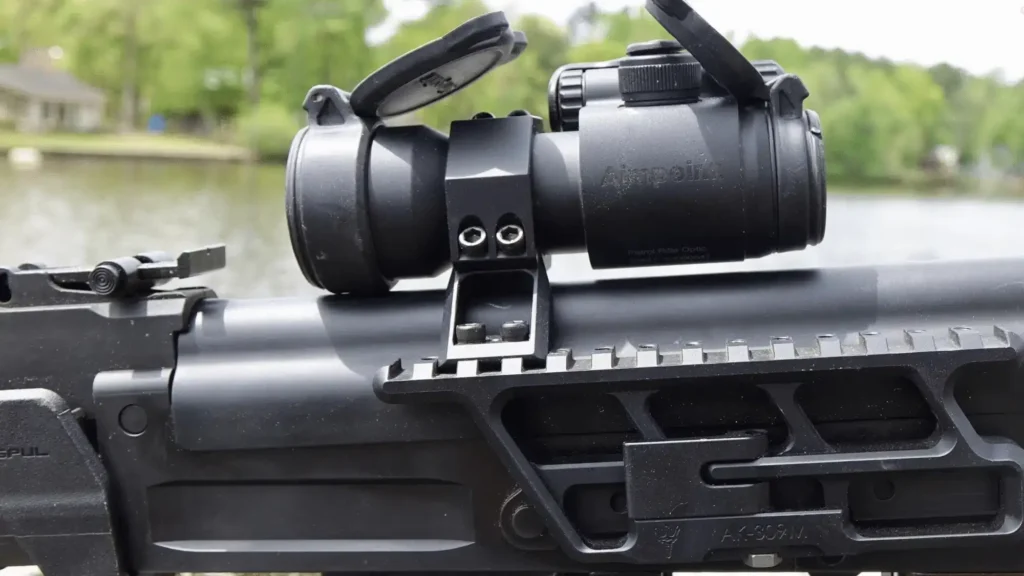
Aimpoint has been around for a while, and they’ve built a serious reputation for making tough optics. You see them on military rifles and law enforcement duty weapons all over the world. That kind of widespread adoption doesn’t happen by accident. It happens because these sights can take a beating and keep on ticking. We’re talking about surviving harsh weather, rough handling, and the general abuse that comes with active use, whether that’s on a hunting trip or in a professional setting. They’ve got a track record that’s hard to argue with, and that’s a big part of why people trust them.
The company’s commitment to quality is so strong that they famously have a very small team handling warranty claims. This isn’t because their warranty is bad; it’s because very few people actually need to use it. Aimpoint optics are just built that well.
Warranty and Servicing: A Testament to Quality
Aimpoint backs its products with a warranty, which is good, but what’s even more telling is their approach to servicing. They’re known to repair optics that are decades old, even those well past their warranty period. This isn’t something most companies do. It shows a deep-seated belief in the durability of their own products. If you do run into an issue, even with an older sight, there’s a good chance Aimpoint can get it back in working order. This long-term support is a huge part of the value proposition, especially when you’re considering a used optic. It means that even a pre-owned Aimpoint likely has a lot of life left in it, and the company is there to help if needed.
Here’s a quick look at their warranty periods:
- Professional Use: 2 years
- Sporting/Hunting Use: 10 years
Keep in mind, these are just the official periods. Aimpoint’s reputation for servicing older units suggests their actual product lifespan goes far beyond these numbers.
Choosing the Right Used Aimpoint Optic for Your Needs
So, you’ve decided to go with an Aimpoint for your next optic, which is a solid choice. But with so many models out there, picking the right one, especially when buying Used Aimpoint Optics, can feel a bit overwhelming. It really comes down to what you’re going to do with it and what firearm it’s going on.
Matching the Optic to Your Firearm Platform
Aimpoint makes it pretty easy to mount their sights on just about anything. They’ve got a huge range of mounting solutions, and a lot of other companies make mounts too. This means you can usually find a way to get your Aimpoint onto your rifle, shotgun, or even a handgun, no problem. Think about the size of the optic and how it will fit with your firearm. A big, bulky optic might not be ideal for a lightweight carbine, and a tiny one might get lost on a heavy rifle. You want something that looks and feels balanced.
Considerations for Hunting Applications
If you’re heading into the woods for some hunting, you’ll want something that’s tough and reliable. For shotguns, the Micro S-1 is pretty much purpose-built. If you’re doing driven hunts where you’re moving through thick brush, a smaller, lighter optic like the Micro H-2 or an ACRO is a good bet. You don’t want it snagging on everything. Aimpoint even has specific mounts for popular hunting rifles, making installation a breeze.
Professional and Tactical Use Cases
For those who need an optic for more demanding situations, like law enforcement or military work, durability and speed are key. Models like the CompM4 are legendary for a reason – they’re built like tanks. If you need something a bit more compact but still professional-grade, the Micro T-2 or the CompM5 are excellent choices. The Duty RDS is also a strong contender if you’re looking for professional quality without the top-tier price tag.
Handgun-Specific Red Dot Selections
When it comes to handguns, the ACRO series is Aimpoint’s answer. These are designed to be mounted directly to a slide or a compatible mount. They’re small, enclosed, and built to handle the recoil of a pistol. If you’re looking to add a red dot to your carry gun or competition pistol, the ACRO is definitely worth a look.
Picking the right Aimpoint optic is all about matching the sight’s features and size to your specific firearm and how you plan to use it. Don’t just grab the first one you see; think about your needs first.
Here’s a quick look at some common scenarios:
- Hunting: Look for compact, durable models. Micro S-1 for shotguns, Micro H-2 or ACRO for general use.
- Tactical/Professional: Prioritize ruggedness and proven performance. CompM4, Micro T-2, CompM5, or Duty RDS.
- Handguns: The ACRO series is the go-to choice.
- General Purpose/Plinking: Many models can work, but consider balance with your rifle. Micro H-2 or CompM5 are often good all-rounders.
Exploring Popular Aimpoint Models
Aimpoint has a pretty wide range of red dot sights, and figuring out which one is right can feel like a lot. But honestly, they’re all built tough. Let’s break down some of the ones you’ll see most often, whether you’re looking at RKB Armory or another dealer.
The Versatile ACRO Series
The ACRO (Advanced Combat Reflex Optic) series is Aimpoint’s answer for handgun-mounted red dots, though it’s tough enough for much more. These are fully enclosed, meaning the emitter is protected from the elements. This makes them super reliable, especially if you’re worried about mud, rain, or dust getting into the works. They’re compact and designed to handle the recoil of pistols, but people put them on all sorts of firearms. The ACRO P-2 is a popular choice, known for its long battery life and clear dot.
Full-Size Professional Series: Comp M4 and Beyond
When you think of a workhorse Aimpoint, the Comp M4 often comes to mind. This optic is built like a tank and has seen serious use with military forces worldwide. It runs on a single AA battery and can go for an incredible 80,000 hours on a moderate setting. That’s years of use without changing the battery. It’s a bit larger than some other options, but its durability and reliability are top-notch. If you need something that just keeps working, no matter what, the M4 is a solid bet. Other older Comp models like the M3 and ML3 are still out there and are great options if you find a good deal.
Compact Professional Options: Duty RDS, Micro T-2, and Comp M5
For those who want Aimpoint quality in a smaller package, there are a few standouts. The Duty RDS is often highlighted as a great value, offering professional-grade performance without the highest price tag. It’s built for hard use. Then there’s the Micro T-2, which is practically legendary for its ruggedness and clear glass. It’s a favorite for many AR-platform rifle users. Finally, the Comp M5 is a more recent addition, using a common AAA battery and offering excellent battery life, often around 10 years on lower settings. It’s a bit more compact than the M4 but still packs that Aimpoint reliability.
Choosing between these compact options often comes down to battery preference, specific mounting needs, and budget. All three are built to withstand tough conditions and provide a reliable aiming point.
Here’s a quick look at some key differences:
- Duty RDS: Most budget-friendly, cast housing for cost-efficiency.
- Micro T-2: Renowned for extreme ruggedness and clarity, uses CR2032 battery.
- Comp M5: Newer design, uses AAA battery, excellent battery life, often includes flip-up covers.
Key Features to Inspect on Used Aimpoint Optics
When you’re looking at quality used optics, especially Aimpoint red dots, a few things really stand out. You want to make sure you’re getting something that’s going to work right out of the box and keep working. It’s not just about the brand name; it’s about the actual condition of the unit you’re considering.
Glass Clarity and Reticle Condition
First off, give the glass a good look. Aimpoint uses really good lenses, usually with coatings to cut down on glare and make things clearer. Check for any deep scratches, chips, or delamination. Minor scuffs might be okay if they don’t block your view, but anything significant is a no-go. Also, look at the red dot itself. Is it a crisp, round dot, or does it look like a starburst or a smear? Some people with astigmatism see a starburst even on new Aimpoints, but if it looks bad or inconsistent, that’s a problem. The reticle should be clear and bright, with no flickering or dimming issues when you adjust the brightness.
Housing Integrity and Mount Compatibility
Next, inspect the body of the optic. Aimpoints are built tough, but a used one might have seen some action. Look for dents, cracks, or any signs of impact damage, especially around the edges and the lens housings. Make sure the adjustment turrets turn smoothly and click positively. If you plan on using a specific mount, check that the mounting interface on the optic is clean and undamaged. Threads should be in good shape. Compatibility is key here; Aimpoint uses different mounting standards, so know what you need before you buy.
Battery Compartment and Functionality Checks
Finally, don’t forget the battery. Open up the battery compartment and check for any corrosion on the contacts. This is a common issue with optics that haven’t been stored properly. If possible, try to test it with a fresh battery. Cycle through all the brightness settings, including any night vision (NV) settings if the model has them. The dot should change intensity smoothly. A reliable battery life is one of Aimpoint’s biggest selling points, so make sure it’s functioning as it should.
Here’s a quick checklist:
- Glass: No deep scratches, chips, or hazing.
- Dot: Crisp and round (or as expected for your vision).
- Housing: No major dents or cracks.
- Turrets: Smooth adjustment, positive clicks.
- Battery: Clean contacts, dot functions at all settings.
Remember, these optics are designed for hard use, but even the toughest gear can have issues if mistreated. A thorough inspection can save you a lot of headaches down the road when looking for quality used optics.
Navigating the Used Market for Aimpoint Optics
So, you’ve decided an Aimpoint is the way to go, but the new price tag is making your wallet weep. Totally understandable. The good news is, the used market can be a goldmine for these tough optics. It just takes a little know-how to make sure you’re getting a solid piece of gear and not someone else’s problem.
Where to Find Used Aimpoint Red Dots
Your best bet for finding used Aimpoints is usually online. Think big marketplaces like eBay, specialized firearms forums (often with “for sale” sections), and even some larger online gun retailers that have a used or consignment section. Sometimes, local gun shops will have used optics on their shelves too, though selection can be hit or miss. Don’t forget about social media groups dedicated to firearms and optics – just be sure to follow any platform rules.
- Online Auction Sites: Great for variety, but requires careful vetting.
- Firearms Forums: Often have knowledgeable sellers and communities that can vouch for people.
- Specialty Retailers: Some offer used gear with a bit more buyer protection.
- Local Gun Shops: Good for hands-on inspection, but selection is limited.
Assessing Seller Reputation and Authenticity
This is where you really need to pay attention. A seller with a long history and positive feedback on platforms like eBay is usually a safe bet. On forums, look for members who have been around for a while and have a good standing. If a deal seems too good to be true, it probably is. Be wary of sellers who are new, have no feedback, or are pushy about the sale. Always ask for clear, detailed photos of the optic from all angles, including the serial number and any markings. If a seller is hesitant to provide these, move on.
Counterfeits are out there, though less common with Aimpoint than some other brands. If the price is drastically lower than market value, or if the markings look off, it’s a red flag. Stick to reputable sellers and if you’re unsure, ask for more proof or consult with others who know Aimpoints well.
Understanding Pricing and Value
Pricing for used Aimpoints can vary a lot based on the model, its condition, and whether it comes with original packaging or accessories. A general rule of thumb is to expect to pay anywhere from 60% to 80% of the original retail price for a used optic in good condition. Scratches on the housing might knock the price down a bit, but damage to the glass or reticle is a much bigger deal.
Here’s a rough idea of what you might see, but remember these are just estimates:
| Model | New Price (Approx.) | Used Price (Approx.) |
| Micro T-2 | $800 – $900 | $600 – $750 |
| CompM5 | $850 – $950 | $650 – $800 |
| Duty RDS | $500 – $600 | $350 – $450 |
| ACRO P-2 | $700 – $800 | $500 – $650 |
Always do your own research on current market prices for the specific model you’re interested in. Check completed listings on auction sites to see what things are actually selling for, not just what people are asking.
Frequently Asked Questions
Why are Aimpoint red dot sights so expensive?
Aimpoint red dots cost more because they are built to last for a very long time, often for decades. They are made with top-quality materials and are known for being super reliable, even in tough situations like hunting or military use. Think of it as paying for something that won’t break and will work perfectly for years, saving you money in the long run because you won’t have to replace it.
Is it worth buying a used Aimpoint red dot sight?
Yes, buying a used Aimpoint can be a great way to save money while still getting a high-quality optic. Since Aimpoints are built so tough, a used one that’s been taken care of can still offer many years of reliable service. Just be sure to check it carefully for any damage before you buy.
What should I look for when buying a used Aimpoint?
When checking out a used Aimpoint, make sure the glass is clear and you can see the red dot clearly without any fuzziness or distortion. Also, look closely at the body of the sight for any dents or cracks. Test the battery compartment to make sure it works, and check that the mount is solid and compatible with your firearm.
Which Aimpoint model is best for hunting?
For hunting, many people love the Aimpoint Micro series, like the Micro H-2, because they are small, light, and very tough. They work well on shotguns and rifles used in thick woods or when you need to move quickly. Aimpoint also has other models that are great for waiting in a deer stand, offering clear sights for various hunting styles.
What’s a good Aimpoint for a handgun?
If you’re looking for a red dot for a handgun, the Aimpoint ACRO series is a top choice. It’s built to handle a lot of recoil and is fully enclosed, which protects the sight really well. While it might seem a bit bigger than some other handgun sights, its toughness and reliability are hard to beat for pistol use.
Are there budget-friendly Aimpoint options?
While Aimpoints are generally premium, the Duty RDS and PRO models are considered more affordable options. They still offer Aimpoint’s legendary toughness and clear red dot, making them excellent choices if you want professional-grade quality without the highest price tag.