Your smile affects how you move through each day. When you hide your teeth, you hide a piece of yourself. You may tell yourself it is not important. Yet you still avoid photos. You cover your mouth when you laugh. You study your teeth in the mirror and feel a sharp mix of shame and frustration. Change feels risky. You may worry about cost, pain, or seeming vain. Still, something in you knows you deserve comfort when you smile. A smile makeover is not only for celebrities. It is a set of simple steps that fit your mouth and your life. It can repair damage. It can correct old work. It can restore teeth worn down by time and stress. If you see the signs in this guide, it is time to speak with your family dentist in Grosse Pointe Park, MI and ask what is truly possible.
1. You feel tense every time you smile
You notice your shoulders tighten when someone lifts a camera. You press your lips together in group photos. You laugh with your hand over your mouth. This is not only about looks. It is about feeling safe around people you love.
Ask yourself three questions.
- Do you avoid smiling in work or school photos
- Do you feel a rush of embarrassment when you see your teeth
- Do you turn your head to hide certain teeth
If you answer yes to any of these, your smile is blocking your daily life. A smile makeover can align color, shape, and spacing so your face and your teeth match the way you feel inside. You deserve peace in social moments, not constant alertness.
2. You have broken, worn, or missing teeth
Teeth can crack, chip, or wear down from grinding, accidents, or old fillings. Missing teeth can change how you chew and speak. They can also shift other teeth out of place.
According to the National Institute of Dental and Craniofacial Research, many adults lose teeth over time. You are not alone. Yet you do not have to stay stuck with damage.
A family dentist can suggest options that fit your health and budget.
- Bonding to repair small chips
- Crowns to protect weak or broken teeth
- Bridges or implants to replace missing teeth
Once the structure is stable, a smile makeover can bring your teeth into balance. You gain strength, comfort, and a look that feels natural. You also lower the risk of more fractures and jaw strain.
3. You hide stains that do not go away
Stains can come from coffee, tea, smoking, trauma, or certain medicines. Some surface stains respond to cleaning and whitening. Other stains sit deeper in the tooth and do not change with store products.
The Centers for Disease Control and Prevention notes that healthy teeth support clear speech and normal eating. Color plays a role in how willing you are to use your teeth in public.
Signs that a stain is more than a small issue include these three.
- Your teeth stay yellow or dark after cleanings
- Only some teeth are dark, which draws more attention
- You avoid foods you love because they stain your teeth more
A smile makeover can pair in-office whitening with options like veneers or tooth colored crowns. That way, you do not chase shade changes with strips that never quite match. You gain a steady, even color that looks like you, only cleaner.
4. Your bite feels off or painful
You might not think of your bite as part of a smile makeover. Yet how your teeth meet affects comfort and look. When teeth are worn, crowded, or spaced out, your bite can shift. That can lead to jaw soreness, headaches, and uneven wear.
You might notice these three signs.
- Your teeth hit hard on one side first
- Your jaw clicks or feels tight when you chew
- You wake with sore teeth or a tired face
A skilled family dentist can adjust your plan so it helps your bite and your look. Small changes in tooth shape and height, or clear aligners, can share chewing forces more evenly. You gain a calmer jaw. You also gain a smile that lines up with your lips and face.
5. You have old dental work that no longer matches
Fillings, crowns, and bridges do not last forever. Over time, gums recede. Old metal shows at the edges. Porcelain can chip. Colors that once matched now stand out.
Common clues include these three.
- Dark lines near the gums of older crowns
- Different shades from one tooth to the next
- Rough edges that catch your tongue or food
A smile makeover can replace older work with newer materials that match your current tooth shade and shape. You keep functioning. You restore trust in your bite. You also stop that constant urge to hide one side of your mouth.
How a smile makeover compares to “quick fixes”
You may wonder if you should keep using strips or store kits. A planned makeover and quick fixes create very different results.
| Option | Focus | Typical Results | Best For |
|---|---|---|---|
| Store whitening strips | Surface stain only | Short-term shade change. Uneven color | Mild staining on otherwise healthy teeth |
| Single bonding or filling | One chip or spot | Repairs one tooth. May not match others over time | Small cosmetic flaws |
| Planned smile makeover | Color, shape, bite, and function | Coordinated changes across your whole smile | Multiple concerns that affect comfort and confidence |
A true makeover looks at the big picture. It respects your health history, your habits, and your budget. It builds a stable base and then improves appearance in a way that lasts.
Next steps with your family dentist
You do not need perfect words or a clear plan before you reach out. You only need honesty. Tell your dentist what you avoid. Tell them what you fear. Tell them what you hope for.
A good first visit often includes three simple steps.
- Share your main worries about your teeth
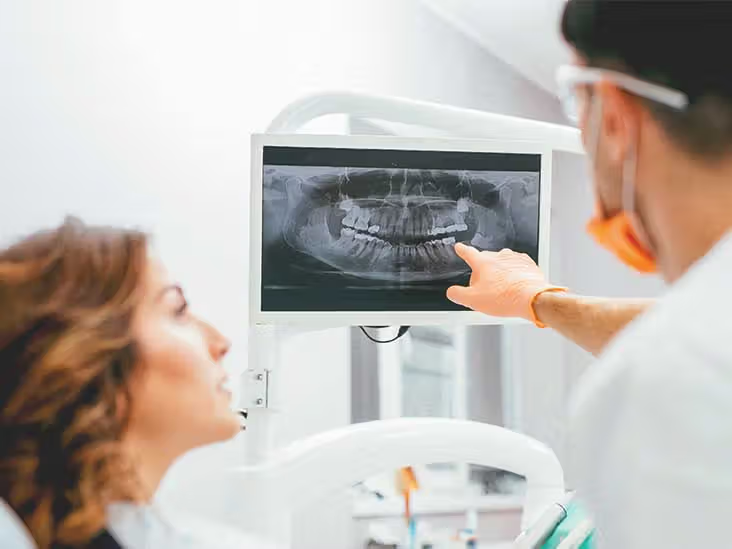
- Let your dentist examine your teeth, bite, and gums
- Discuss a step-by-step plan that fits your life
You are not asking for a movie star smile. You are asking for relief. You are asking for teeth that let you eat, speak, and smile without dread. Your story, your health, and your goals matter. A calm, steady plan with your family dentist can give you that freedom.