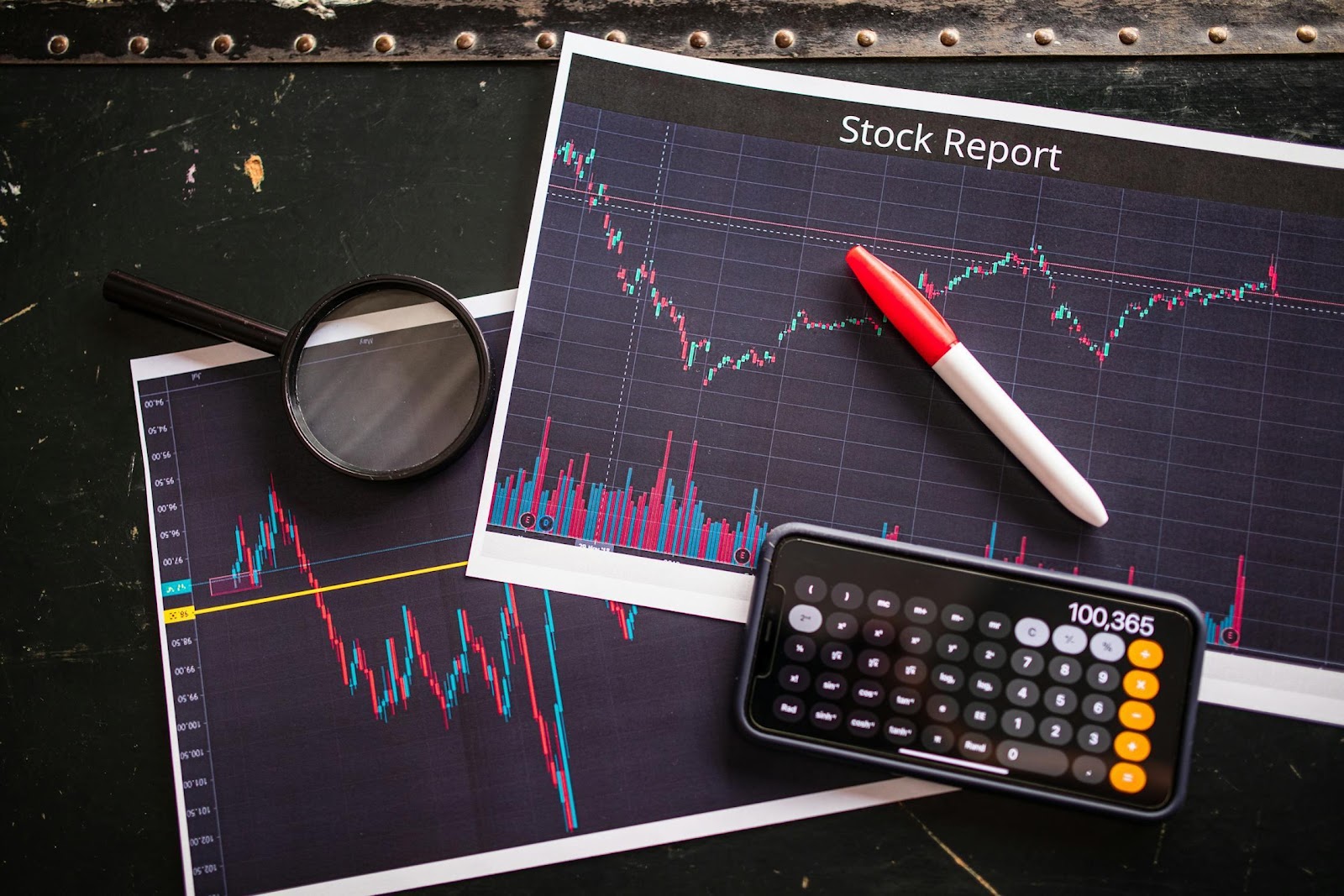
Automated trading has transformed the forex market, allowing traders to execute strategies without constant monitoring. Using the best forex EA provides traders with advanced solutions to optimize efficiency, reduce emotional decision-making, and increase consistency. Expert Advisors (EAs) can monitor multiple currency pairs simultaneously, apply complex algorithms, and respond instantly to market conditions, offering a professional approach to trading.
What Is a Forex EA and How Does It Work?
A Forex EA, or Expert Advisor, is software designed to execute trades automatically based on predefined rules. It integrates with trading platforms to analyze market data, identify trade opportunities, open and close positions, and manage risk. EAs remove human emotion from trading, allowing strategies to operate consistently, even in volatile market conditions.
Why Are Forex EAs Important for Traders?
Forex EAs are essential for several reasons:
- Efficiency – They monitor multiple instruments and timeframes simultaneously.
- Consistency – Automated execution ensures rules are followed without deviation.
- Speed – EAs can enter and exit trades faster than human traders.
- Backtesting – Strategies can be tested on historical data to verify performance before live trading.
By combining speed, consistency, and analytical power, EAs enhance trading efficiency significantly.
Which Types of Strategies Can Be Automated With EAs?
Many strategies can be programmed into an EA, including:
- Trend-Following – Identifies and trades in the direction of the market trend using moving averages or other indicators.
- Range Trading – Buys at support and sells at resistance within defined ranges.
- Breakout Trading – Enters trades when price breaks key levels, capturing momentum moves.
- Scalping – Executes multiple short-term trades, aiming for small profits on minor price fluctuations.
- News Trading – Reacts to economic releases and market events automatically.
These strategies benefit from automation, especially when speed and precision are crucial.
How Do Traders Choose the Best Forex EA?
Selecting a high-quality EA requires careful evaluation:
- Performance History – Review verified backtesting and live trading results.
- Risk Management Features – Ensure the EA includes stop-loss, take-profit, and position sizing controls.
- Customization Options – Allows parameter adjustments to fit personal strategies.
- Compatibility – Works seamlessly with your trading platform and account type.
- Support and Updates – Active developer support ensures the EA remains effective in changing market conditions.
Careful selection improves the likelihood of consistent and profitable results.
Can Forex EAs Reduce Emotional Trading?
Yes. Human traders are often influenced by fear, greed, or impatience, leading to inconsistent decisions. EAs execute trades purely based on programmed rules, eliminating emotional bias. This disciplined approach helps maintain a consistent risk-to-reward ratio and improves long-term trading performance.
How Do EAs Manage Risk Effectively?
Advanced EAs incorporate multiple risk management features, such as:
- Dynamic Stop-Loss and Take-Profit – Adjust levels based on volatility or market conditions.
- Position Sizing Algorithms – Scale trades according to account equity and risk tolerance.
- Time-Based Restrictions – Avoid trading during periods of high uncertainty or low liquidity.
- Trailing Stops – Lock in profits as the market moves in favor of the position.
These automated risk controls ensure disciplined trading, protecting capital while allowing strategies to perform optimally.
Are Forex EAs Suitable for Beginners?
Yes, but beginners should approach carefully. EAs automate strategy execution, allowing new traders to focus on learning market behavior rather than managing every trade manually. However, beginners should first practice with demo accounts, understand the EA’s rules, and monitor performance before using real capital. Combining an EA with foundational trading knowledge builds confidence and reduces risk.
How Can Traders Optimize EA Performance?
Optimizing an EA involves several steps:
- Backtesting – Test the strategy on historical data to identify strengths and weaknesses.
- Forward Testing – Apply the EA in live market conditions using a demo account to verify results.
- Parameter Adjustment – Fine-tune settings such as stop-loss, take-profit, and indicator thresholds.
- Regular Monitoring – Markets evolve, so periodic review ensures continued effectiveness.
Optimization maximizes potential profitability while minimizing unnecessary risk exposure.
What Are the Advantages of Using Multiple EAs?
Some traders deploy multiple EAs to diversify strategies across different currency pairs or timeframes. This approach:
- Reduces dependency on a single strategy or market condition
- Balances potential profits and losses
- Enhances overall account stability
However, careful management is required to avoid conflicts or excessive risk concentration.
Can EAs Be Used for High-Frequency Trading?
Yes. EAs are capable of high-frequency trading (HFT), executing numerous trades in short periods. HFT EAs rely on speed and precision, taking advantage of small price movements. While potentially profitable, high-frequency strategies require low-latency platforms, fast internet connections, and strong risk management due to increased exposure.
How Do EAs Adapt to Different Market Conditions?
Advanced EAs can include market filters that adjust trading behavior based on conditions such as volatility, trend strength, or economic events. Adaptive algorithms allow EAs to pause trading during high-risk periods or increase activity when favorable conditions are detected, enhancing performance across varying environments.
What Are Common Mistakes Traders Make With EAs?
Traders often misuse EAs in ways that reduce effectiveness:
- Failing to monitor performance regularly
- Using default settings without adaptation to market conditions
- Ignoring risk management parameters
- Overloading accounts with multiple conflicting EAs
- Expecting guaranteed profits without strategy evaluation
Avoiding these mistakes ensures the EA serves as a reliable tool rather than a liability.
How Do Traders Monitor EA Performance?
Monitoring is critical even for automated strategies. Traders should:
- Review daily trade logs and performance metrics
- Check drawdown levels against planned risk
- Adjust parameters as needed based on market trends
- Compare actual outcomes to backtested expectations
Continuous monitoring maintains effectiveness and prevents unforeseen losses.
Are EAs Compatible With All Forex Platforms?
Most EAs are designed for popular trading platforms, such as MT4 or MT5. Compatibility ensures smooth operation, accurate data analysis, and reliable order execution. Traders should verify the EA is compatible with their broker’s platform, account type, and execution model before deployment.
Can EAs Be Used in Conjunction With Manual Trading?
Yes. Many traders use EAs alongside manual strategies. The EA can handle repetitive tasks, monitor multiple pairs, or manage trades automatically while the trader focuses on discretionary decisions for high-impact setups. This hybrid approach combines the benefits of automation with human intuition.
What Are the Cost Considerations for Forex EAs?
Costs vary depending on complexity, support, and licensing. Some EAs require a one-time purchase, while others operate on subscriptions or performance-based fees. Traders should evaluate costs against potential profit opportunities and ensure the EA aligns with their trading goals and budget.
How Can Traders Backtest EAs Effectively?
Backtesting allows traders to simulate the EA’s performance using historical data. Effective backtesting includes:
- Using high-quality, accurate historical data
- Testing multiple market conditions to verify robustness
- Tracking metrics such as win rate, drawdown, and profitability
- Adjusting parameters based on results to improve performance
Backtesting provides confidence before deploying the EA in live accounts.
How Do Traders Scale Accounts Using EAs?
Successful EAs allow traders to gradually scale their account by adjusting position sizes or combining multiple strategies. Consistent profitability and strong risk management enable growth while maintaining controlled exposure, creating a sustainable path for long-term trading.
Conclusion: Why Forex EAs Are Essential for Modern Trading
Best forex EA solutions provide traders with advanced automation to enhance efficiency, consistency, and risk management. By removing emotion from trading, applying complex strategies automatically, and allowing rapid execution across multiple markets, EAs empower traders to focus on strategy refinement and account growth. Beginners can use EAs to practice disciplined trading, while experienced traders can scale their operations efficiently. Success with EAs depends on careful selection, monitoring, and optimization, but when used wisely, they are a powerful tool to achieve professional-level trading performance.