Ventilation is crucial in ensuring that workers are not exposed to dangerous substances. Chemicals, dust, fumes or vapors are dealt with at many places of work and may be health hazards when accumulated in the air. These air pollutants may get to a level of concentration that may cause respiratory issues, skin irritation or long term health consequences unless there are proper ventilation systems in place. Ventilation can be used to manage such risks by eliminating unhealthy elements in the environment as well as replacing polluted air with clean air.
A good ventilation plan is another significant aspect of the planning of workplace safety. It helps in regulatory compliance in addition to safeguarding employee health and working under productive environments. Ventilation is in conjunction with other safety precautions like personal protective equipment, safe handling practices, and tools of emergency response. Combining these elements, organizations develop a more complex way of minimizing exposure to hazardous materials.
Sources Of Hazardous Airborne Substances
Various industries produce air pollution in the course of their daily activities. The manufacturing process can emit fumes of welding, cutting, or heating products. During experiments or sample preparation, laboratories can generate chemical vapors. Construction and industrial facilities may result in dust or particles that may be present in the air over a long period. The first step towards controlling exposure is to understand the origin of such substances.
Poor airflow may also distribute hazardous substances to other places other than their place of origin. Vapors or particles may also be blown into adjacent work areas by air currents, exposing workers who were not engaged in the production that resulted in their formation. That is why the ventilation should be planned to remove or trap the contaminants before they diffuse to the rest of the workplace.
Role Of Ventilation In Contaminant Control
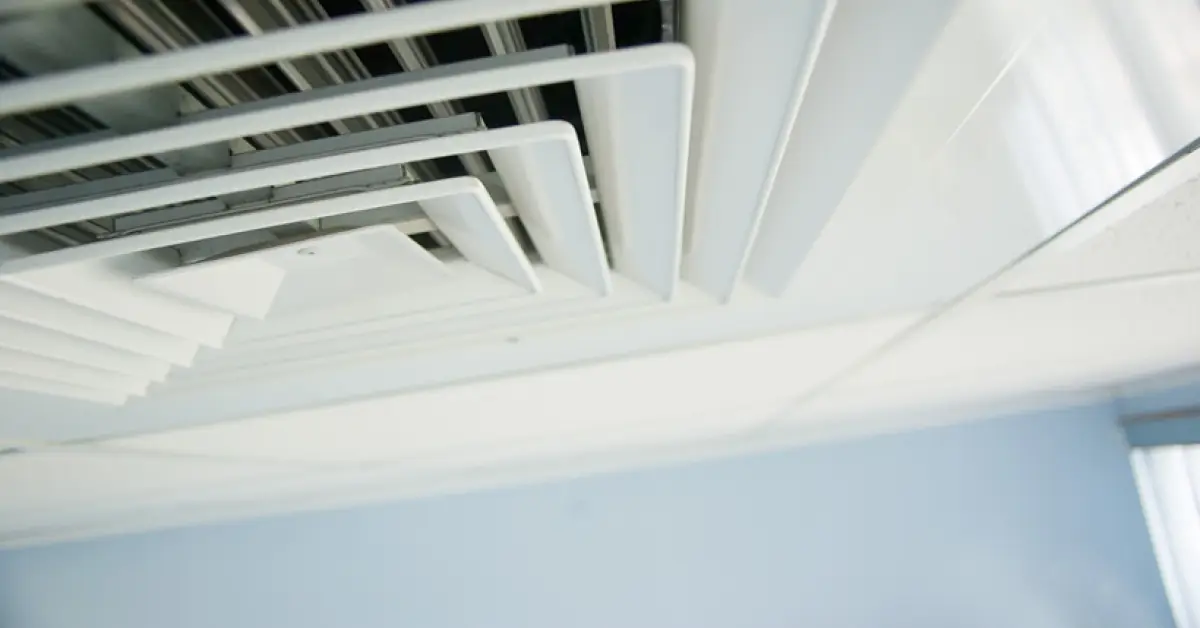
Ventilation systems minimize exposure by sweeping up contaminated air near workers and replacing it with cleaner air. The process helps to eliminate the accumulation of dangerous materials and reduce the level of contaminants in the breathing areas. In situations where the chemicals or dust can never be done away with, having sufficient airflow keeps the levels at a safer level for the employees.
A mix of various strategies is frequently effective in ventilation. The local exhaust systems provide capturing of contaminants at the near vicinity, whereas the general ventilation enhances the overall air movement within the facility. When these systems are in their appropriate state, they produce a constant stream of air that constantly sweeps the environment off pollutants and eliminates the possibility of dangerous accumulation.
Importance Of Proper System Design And Maintenance
A ventilation system is a critical system requiring careful design and regular maintenance to be effective. The systems should be adequately large to fit the area they are used in and be in a position to manage the kind of contaminants generated in the day to day running of the business. Weakly constructed systems might not be able to trap dangerous substances effectively and thus they can be left in the air or diffuse to other locations.
It is also important to inspect and maintain regularly. The filters, ducts, and fans should be in correct operation to make sure that the air flows as it is expected to flow. With time, the system may lose its capacity to eliminate contaminants due to blockage or damaged parts. Such problems are detected at an early stage by means of regular monitoring to ensure that ventilation remains effective to safeguard workers.
Integration With Workplace Safety Practices
Other workplace safety measures should be combined with ventilation to ensure total protection against dangerous substances. Risk reduction takes place through safe handling, storage of chemicals, and training of employees. The best method of ventilation is one that helps to sustain these practices by regulating airborne pollutants that could still be produced during the daily activities.
Another significant element of workplace safety is emergency response equipment. Workplaces where there is a risk of handling hazardous chemicals have safety showers and an eyewash station to enable employees to rinse away the harmful chemicals in case of accidental exposure. Although ventilation can be useful in the first instance to eliminate the risk of exposure, in case of an incident, these emergency systems offer an extra layer of protection.
Long Term Benefits Of Improved Ventilation
Proper ventilation is a long term gain to organizations and the workers. When working in a place where the air is cleaner, the employees have fewer chances to complain of air pollution in terms of respiratory irritation, headache, or other issues. This leads to a better well being, less absenteeism and increased overall productivity, over time.
Proper ventilation systems will also help in regulatory compliance and portray the willingness to work in safe working conditions. Organizations will be able to provide safer working conditions and prevent possible safety breaches by minimizing the occurrence of dangerous substances in the air. Work places are more suitably equipped to handle the chemical hazards and safeguard all the people working in the facility when ventilation is used together with training, monitoring and equipment.