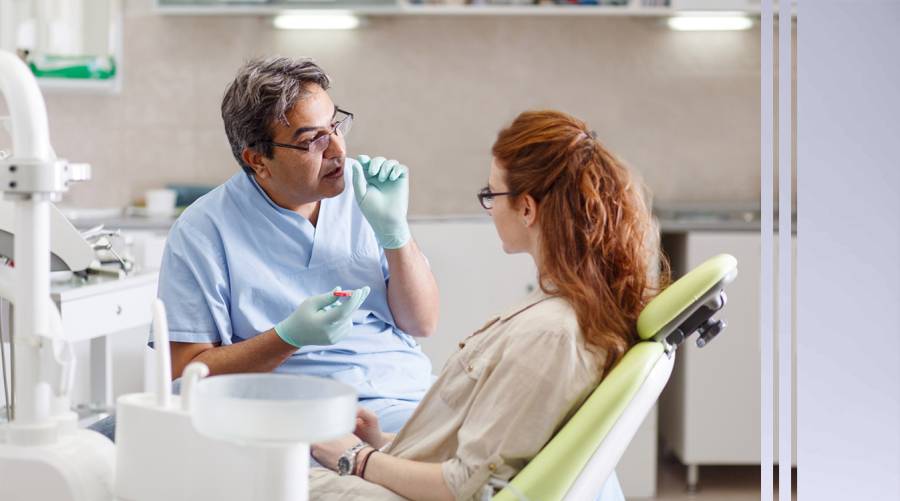
Preventive care feels confusing when every person in your home has a different dentist. Different forms. Different advice. Different bills. A family dentist removes that chaos. You bring everyone to one place. You hear one clear plan. You track one schedule. This saves time, cuts stress, and keeps problems small. Routine care is more effective after treatment. You also build trust. Your children see the same faces as they grow. You stay with a team that knows your history. That history matters when small changes show early warning signs. A family dental office in Riverview can guide you through simple steps that protect teeth and gums for years. You learn what to do at home. You know when to come in. You understand what to watch for between visits. Preventive care becomes a shared habit, not a crisis response.
One office, one record, one plan
When your whole family uses one dentist, every visit fits into a single story. That story shows patterns. It also shows risk.
You gain three clear benefits.
- One chart that tracks your family history
- One team that understands your goals
- One plan that adjusts as life changes
Shared records help catch problems early. For example, if several relatives have gum disease, your dentist can watch your children for the same signs. The Centers for Disease Control and Prevention reports that gum disease often grows without pain. A single record helps your dentist see slow changes that you miss at home.
A united plan also reduces mixed messages. You stop hearing different rules from different offices. You follow one set of steps for cleanings, fluoride, and X-rays. This keeps you focused. It also lowers your risk of skipped visits.
Simple schedules and fewer surprises
Many people fall behind on care because planning visits feels hard. A family practice cuts that barrier. You book visits for several family members on the same day. You spend less time in waiting rooms across town. You also speak with one front desk that knows your routines.
This kind of schedule brings three gains.
- Fewer missed cleanings
- Lower travel time and costs
- Faster response when something hurts
When your dentist sees the whole family, it is easier to fit an urgent visit into an already planned day. A chipped tooth in a child can be checked while a parent gets a cleaning. That quick response keeps small issues from turning into infections or tooth loss.
How a family dentist supports every age
Teeth change with age. So do risks. A family dentist watches those changes from baby teeth to older gums. You get care that fits each life stage without starting over with new providers.
| Life stage | Common needs | How family dentistry helps |
|---|---|---|
| Young children | Tooth eruption, early cavities, thumb sucking | Gentle cleanings, fluoride, sealants, habit coaching |
| Teens | Sports injuries, braces care, sugar intake | Mouthguards, cleaning around braces, nutrition talks |
| Adults | Work stress, grinding, gum disease | Night guards, deep cleanings, stress-linked coaching |
| Older adults | Dry mouth, tooth wear, missing teeth | Denture care, moisture support, replacement options |
Because one dentist sees these shifts over time, small changes stand out. A slow rise in gum bleeding or tooth wear may signal health issues. Regular checks support early action. The National Institute of Dental and Craniofacial Research notes that early treatment of decay prevents pain and tooth loss. A long-term relationship makes that early step easier.
Preventive care that fits real life
Guidelines only work when they match daily life. A family dentist can shape a plan that respects school, work, and budget. You talk about snacks that your kids actually eat. You talk about late shifts that affect your brushing.
Most families benefit from three core habits.
- Brushing twice a day with fluoride toothpaste
- Cleaning between teeth once a day
- Getting regular checkups and cleanings
In one office, your dentist can teach these habits to everyone at the same time. Children watch their parents during cleanings. Parents hear how their own choices affect their kids. This shared learning turns oral health into a team effort, not a single task for one person.
Cost control through prevention
Many people avoid the dentist because of the fear of cost. Yet prevention usually costs less than treatment. Regular cleanings and X-rays are cheaper than root canals or emergency visits.
A family practice can help you track costs in three ways.
- Group visits that reduce repeated fees
- Planned treatments that spread costs over time
- Early care that avoids larger work later
When you see the same team, they can explain coverage in plain terms. You can plan for sealants, fluoride, and needed fillings long before they become urgent. That control brings relief. It also encourages steady care instead of waiting for pain.
Building comfort and trust for children
Children often fear new places. A familiar office reduces that fear. When kids see the same dentist and staff at each visit, they learn to relax. They also copy your behavior. If you sit calmly during a cleaning, your child learns that the visit is safe.
This comfort has three strong effects.
- Less anxiety before visits
- Better behavior during exams
- More honest talk about pain or fear
Over time, children who trust their dentist grow into adults who keep regular visits. That long chain of care prevents many problems. It also protects their own future children, who will learn the same habits.
Turning small steps into lifelong health
Family dentistry brings order to something that often feels chaotic. One office. One history. One trusted team. You save time and money. You protect your children. You reduce your own stress.
You do not need big changes to protect your mouth. You need small, steady steps. A family dentist helps you choose those steps and keep them going. You gain clear guidance, early warning, and support when life feels heavy. That support keeps preventive care simple. It also keeps your smile strong through every season of life.