Why Strategic Demolition is the First Step of Construction
Every great architectural masterpiece begins with a clean slate. Before the first beam of a new skyscraper is hoisted into the clouds or the first stone of a dream home is laid, there is a moment of profound transformation. It is the moment when the old makes way for the new. While many view demolition as a simple act of destruction, those in the industry know it is actually a highly calculated, disciplined, and strategic process. It is the architecture of erasure: a surgical procedure that clears the path for progress.
Demolition is not just about wrecking balls and clouds of dust. In the modern world, it is a sophisticated blend of engineering, environmental stewardship, and incredible precision. Whether it is a towering industrial complex or a small residential structure, the way a building is removed dictates the success of everything that will eventually stand in its place.
Beyond the Wrecking Ball: The Precision of Modern Deconstruction
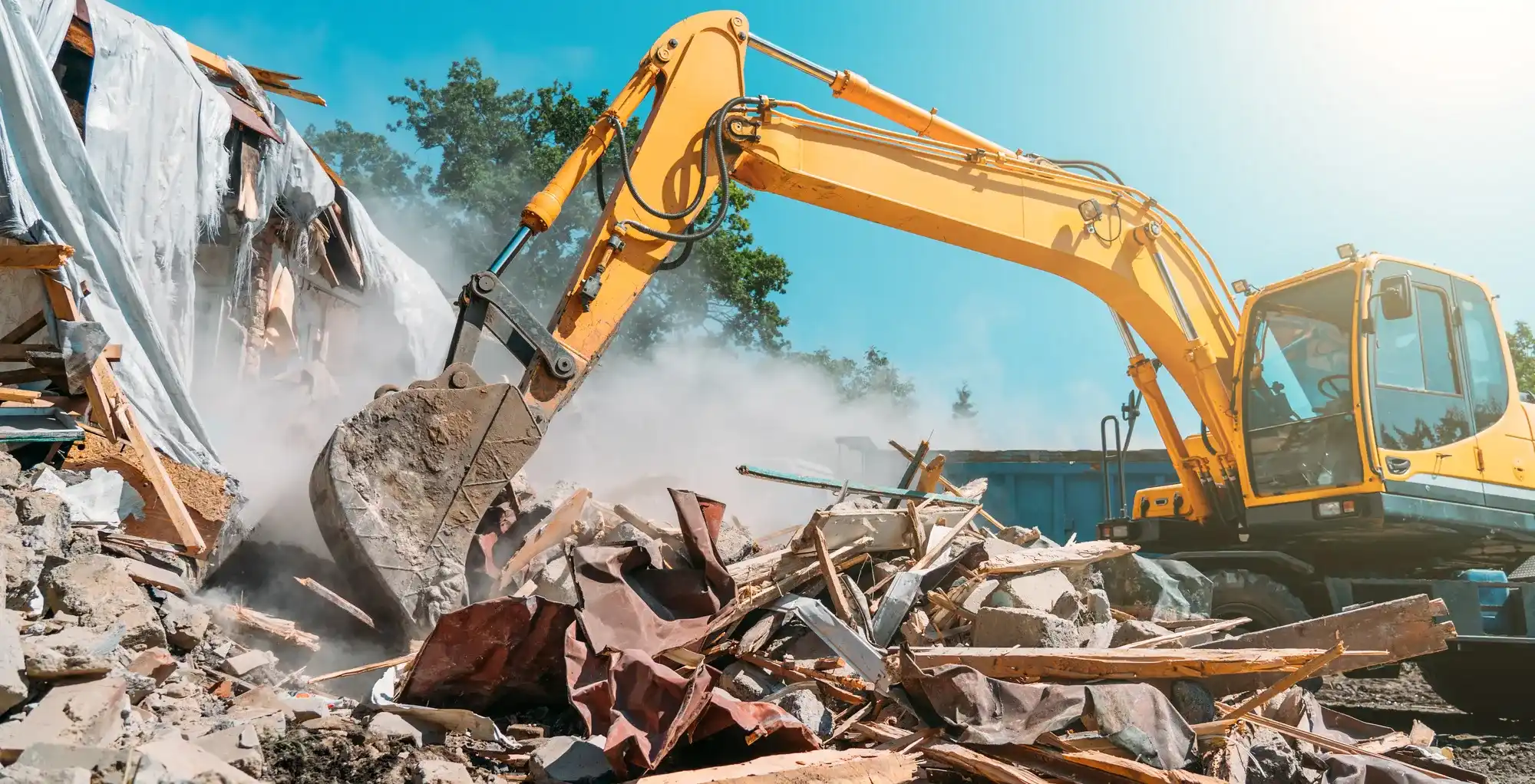
The image of a giant iron ball swinging through a brick wall is largely a relic of the past. Today, the industry has shifted toward “deconstruction.” This approach is much more like surgery than a street fight. Modern teams use high-reach excavators equipped with hydraulic shears and pulverizers that can “nibble” away at a structure from the top down. This method allows for incredible control, ensuring that nearby buildings remain untouched and vibration levels are kept to a minimum.
This precision is vital in urban environments where a demolition site might be inches away from a functioning office or a historic landmark. By using seismic monitoring and advanced dust suppression systems, professional crews can dismantle a building in the middle of a busy city without disrupting the flow of daily life. It is a quiet, rhythmic process that prioritizes safety and structural integrity over raw power.
We also see the rise of robotic demolition. Small, remote-controlled machines can now enter spaces that are too dangerous for humans, such as structurally unsound basements or areas with low overhead clearance. These robots can strip out interiors with a level of speed and safety that was previously impossible.
The Green Soul of Destruction: Urban Mining and Sustainability
One of the most captivating aspects of modern demolition is its commitment to sustainability. In decades past, most of a demolished building ended up in a landfill. Today, a top-tier demolition project is a massive recycling operation, often referred to as “urban mining.” Steel, copper, aluminum, and even concrete are diverted from waste streams and repurposed for new projects.
Concrete, for example, is often crushed on-site and used as a base for new roads or foundations. Structural steel is melted down to create new beams, and reclaimed wood is highly sought after by designers for its character and history. This “circular economy” within the construction industry means that up to 90 percent of a building’s mass can be salvaged and reused. When you clear a site today, you aren’t just getting rid of old materials: you are providing the raw ingredients for the future.
This process of “Asset Recovery” also provides a financial benefit to the property owner. By identifying valuable materials before the demolition begins, the cost of the project can often be offset by the resale value of the scrap metal and architectural salvage.
Selective Demolition: The Hidden Hero of Renovations
Not every project requires a total knockdown. In fact, some of the most complex work involves selective demolition. This is common in historic renovations or commercial fit-outs where the “bones” of a building are preserved while the interior is stripped to the studs.
Selective demolition requires a deep understanding of structural load paths. You have to know exactly which walls are holding up the roof and which are merely partitions. It involves cutting through concrete floors with diamond-tipped saws and removing heavy mechanical systems without damaging the building’s envelope. It is a high-stakes game of “Jenga” where the goal is to remove everything you don’t want while leaving the essential structure perfectly intact. It requires a delicate touch and a mastery of hand tools and small-scale machinery.
Safety, Science, and the Invisible Logistics
Safety is the heartbeat of the demolition world. Every site begins with a comprehensive hazardous material survey. Identifying asbestos, lead paint, and mercury before the first swing of a hammer is a non-negotiable step. Professional crews are trained in the containment and removal of these substances, ensuring that neither the workers nor the surrounding community are exposed to toxins.
Beyond the physical work, there is a mountain of invisible logistics. This includes obtaining the correct municipal permits, coordinating with utility companies to shut off gas and electricity, and managing the constant flow of debris-hauling trucks. A disorganized site is a dangerous site. A professional operation manages these variables with a military level of coordination, ensuring that the project stays on schedule and within the strict bounds of local safety regulations.
When homeowners or commercial developers start the process of reimagining their property, they often begin by searching for demolition companies near me to identify teams that have an established reputation with local building departments. Working with a local expert means they are already familiar with the regional waste disposal laws and have a network of local recyclers ready to take salvaged materials. This local knowledge is the “secret sauce” that prevents administrative delays and keeps the project moving toward its next phase.
The Emotional Impact of the Clean Slate
There is a psychological weight to an old, dilapidated building. It can represent stagnation or a history that no longer fits the current needs of a community. When that structure is removed safely and efficiently, it changes the energy of the entire neighborhood. It creates a vacuum of potential.
Watching a skilled crew clear a lot is a mesmerizing experience. It is the physical manifestation of “out with the old, in with the new.” Once the dust settles and the last truck leaves, the property owner is left with a flat, clean expanse of earth. In that moment, anything is possible. The ground is ready for a new foundation, a new vision, and a new legacy.
Conclusion: Clearing the Way for the Future
Demolition is a celebration of potential. It is the necessary ending that allows for a new beginning. By treating destruction as a science and a craft, we ensure that the transition from the old to the new is safe, sustainable, and efficient. Whether you are clearing a lot for your dream home or taking down an old factory to make room for a new community park, the quality of the demolition defines the quality of the future construction.
You are not just tearing something down: you are preparing the earth for something better. A professional demolition team doesn’t just leave a hole in the ground; they leave a foundation for what’s next.