Sometimes I sit back and look at how much the world has changed just in the last couple of years. It is 2026 and our kids are growing up in a reality that feels faster and more digital than anything we could have imagined. Screens are everywhere. Learning is often virtual. Even social hangouts happen through headsets or apps. While the tech is amazing, it leaves a bit of a hole in the heart of what it means to just be a kid. This is exactly why I think getting children away from the glowing lights and out into the grass is not just a fun idea anymore. It has actually become a necessity.
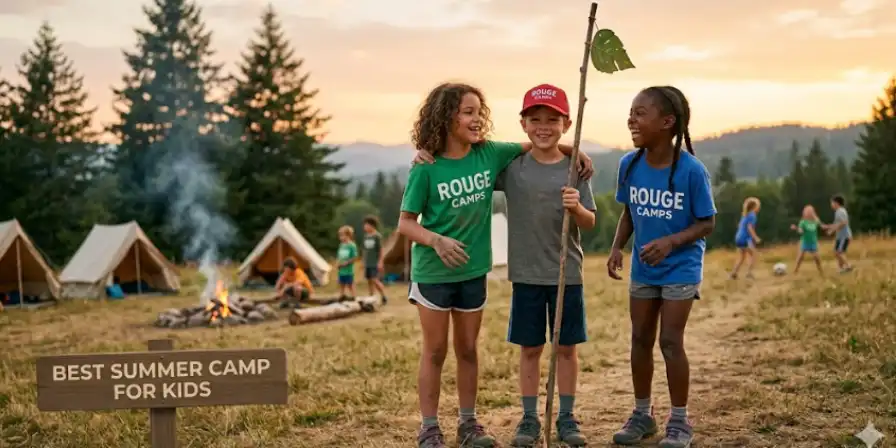
When we talk about finding the best summer camp for kids, we are not just looking for a place to drop them off so we can get some work done. We are looking for a sanctuary. We are looking for a space where they can remember what it feels like to have dirt under their fingernails and the sun on their faces. In 2026, the physical act of being outside has become a form of therapy for a generation that is constantly “plugged in.”
Think about a typical morning for a child today. They wake up and might check a tablet. They go to school where smart boards and laptops are the primary tools. They come home and unwind with video games. There is very little “blank space” in their day. Camping provides that blank space. It forces a slow down that their brains desperately need. When a child is at camp, their focus shifts from high speed digital feedback to the simple rhythm of the outdoors. They start noticing the sound of the wind in the trees or the way the light changes in the afternoon. This shift in attention helps reduce anxiety and builds a sense of calm that is hard to find in our modern city lives.
One of the most beautiful things about camp is the social side of it. In a world of likes and comments, real life face to face interaction is becoming a lost art. At camp, kids have to navigate friendships without the buffer of a screen. They have to read body language. They have to resolve a disagreement over who gets the last blue popsicle. They have to work together to build a fort or win a game of capture the flag. These are the moments where true emotional intelligence is born. You cannot learn empathy from an algorithm. You learn it by looking a friend in the eye and realizing you hurt their feelings or by seeing the joy on a teammate’s face when you succeed together.
I remember talking to a friend whose daughter went to camp last summer. She was a shy kid who spent most of her time in her room. When she came back, she was different. She was standing taller. She was talking about her cabin mates like they were family. She had found a version of herself that was not tied to her online persona. That is the magic we are looking for. We want our kids to know they are capable and liked for exactly who they are in the physical world.
Confidence is another huge factor. Our world in 2026 is very curated. Everything is polished and edited. But you cannot edit a rainy day at camp. You cannot put a filter on a difficult hike. When a child faces a challenge in the woods, like learning to ride a bike on a gravel path or finally hitting the target in archery, they build a gritty kind of confidence. It is a “work through it” attitude that serves them well for the rest of their lives. They realize that failure is just a part of the process and that the view from the top of the hill is worth the sweat it took to get there.
The best summer camp for kids also offers a unique chance to reconnect with physical movement. We are seeing more and more that kids are becoming sedentary. It is not their fault. The world is built to keep us sitting down. Camp changes that. It makes movement a byproduct of fun. They are running because they want to catch a ball. They are climbing because they want to see what is on the other side of the fence. They are swimming because the water feels good. This natural exercise is so much better than a forced gym class. It builds a healthy relationship with their bodies and shows them what they are truly capable of doing.
Then there is the element of wonder. In 2026, we have answers to everything at our fingertips. You want to know how a frog breathes? Search it. You want to see a volcano? Watch a 4K video. But seeing a video of a star filled sky is nothing like standing in a dark field in the middle of the night and looking up. Camp preserves the “wow” factor. It lets kids be explorers again. It encourages them to ask questions that do not have instant answers. This curiosity is the spark for innovation and creativity. When we give them the space to wonder, we give them the tools to think outside the box.
We also have to consider the role of mentors. In our busy lives, parents are often stretched thin. Teachers are overwhelmed. At camp, kids find a different kind of role model in their counselors. These are young adults who are full of energy and passion. They model what it looks like to be kind, enthusiastic, and responsible. For a child, having a “cool” older counselor who listens to them and cheers them on can be a turning point. It provides a sense of community that extends beyond the walls of their home or school.
In 2026, we are also more aware of the importance of mental health than ever before. The pressure on kids today to perform and achieve is intense. Camp is one of the few places where the pressure is off. There are no grades. There are no followers to impress. There is just the present moment. This “mental vacation” is vital. It allows their nervous systems to reset. A child who spends a week or two at camp often returns with more focus and a better mood. They are more resilient because they have had a chance to breathe.
I often think about what we want our kids to remember when they are grown. Will they remember the level they reached in a game? Probably not. They will remember the smell of the campfire. They will remember the song they sang at the top of their lungs with their friends. They will remember the time they stayed brave during a thunderstorm. These memories are the bricks that build a solid foundation for adulthood. They are the stories they will tell their own children one day.
Choosing the right environment is key. You want a place that values safety but also understands the importance of independence. You want a place that encourages kids to try new things even if they are a little scared. When you look for the best summer camp for kids, look for the heart of the program. Look for the people who run it and the values they stand for. Is it about competition or is it about community? Is it about perfection or is it about growth?
As we move further into this decade, the gap between our digital lives and our physical reality will likely grow. It is our job as the adults in the room to bridge that gap. We need to make sure our children stay grounded. We need to make sure they know how to light a fire, how to identify a leaf, and how to be a good friend. Camping is not a luxury. It is a way to protect their childhood. It is a way to ensure they grow up to be well rounded, happy, and connected human beings.
So if you are on the fence about whether to sign your child up this year, I say go for it. Give them the gift of the outdoors. Give them the chance to be bored, to be messy, and to be free. In 2026, there is no better investment you can make in their future happiness. They might complain about the bugs or the lack of Wi-Fi for the first hour, but by the second day, they will be too busy living to care. And that is exactly the point.
Frequently Asked Questions
Is my child too young for camp? Most camps start around age four or five. These programs are usually very gentle and focused on play. It is a great way to build their confidence away from home in a very safe and supervised way.
What if my child gets homesick? Homesickness is a totally normal part of the process. Good camps are very experienced in handling this. They keep the kids so busy and engaged that the feeling usually passes quickly. It is actually a great learning moment for kids to realize they can manage their emotions.
What should I look for in the best summer camp for kids? Look for a high staff to camper ratio. You want to make sure there are enough eyes on the kids. Also, check if the directors are experienced professionals or teachers. A good safety record and a philosophy that matches your family values are also super important.
Is camp safe in terms of health and allergies? Quality camps are very strict about health policies. They are usually nut free zones and have clear protocols for medications and emergencies. Always make sure to fill out the medical forms thoroughly so the staff is prepared.
What if my child is not “sporty”? The great thing about modern camps is that they are for everyone. While there are plenty of sports, there are also arts, crafts, robotics, and drama. A well rounded camp ensures that every child finds something they love regardless of their athletic ability.
How long should a camp session be? For beginners, a one week session is usually perfect. It gives them a taste of the experience without being too overwhelming. Older kids often love two or three week sessions because it allows them to form deeper bonds and master new skills.