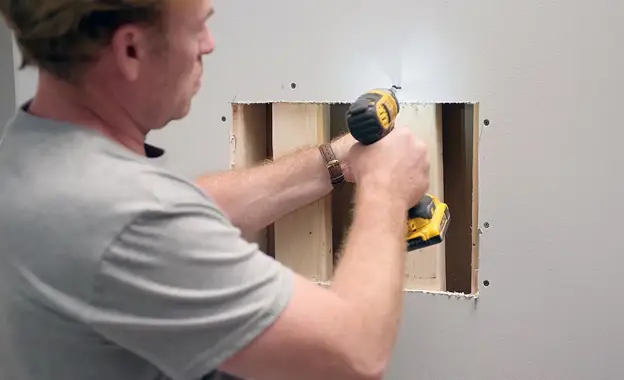
Walls are one of the most visible elements in any home, yet they are also among the most vulnerable to damage. From accidental dents and nail holes to cracks and water damage, drywall issues are common in both new and older homes. This is where drywall repair becomes an essential part of home maintenance.
While small imperfections may seem minor, they can significantly impact the appearance and even the structural integrity of your walls over time. Proper drywall repair not only restores the look of your home but also prevents further damage and maintains its value.
In this comprehensive guide, we’ll explore everything you need to know about drywall repair—from identifying common problems to understanding repair techniques and deciding when to call a professional.
What Is Drywall and Why Does It Get Damaged?
Drywall, also known as gypsum board, is widely used for interior walls and ceilings due to its affordability, ease of installation, and smooth finish. However, despite its practicality, drywall is not indestructible.
Common reasons drywall gets damaged include:
- Everyday wear and tear
- Accidental impacts (furniture, doors, etc.)
- Moisture or water leaks
- Structural movement
- Poor installation
Because drywall is relatively soft compared to other materials, it is more susceptible to dents, cracks, and holes.
Common Types of Drywall Damage
Understanding the type of damage is the first step in determining the right repair approach.
Nail Holes and Small Dents
These are the most common issues, often caused by hanging pictures or minor impacts. They are relatively easy to fix.
Cracks
Cracks can appear due to house settling, temperature changes, or poor installation. While small cracks are usually cosmetic, larger ones may indicate structural issues.
Medium-Sized Holes
These can result from accidental impacts, such as a door handle hitting the wall.
Large Holes
Large holes often require more extensive repair, including replacing sections of drywall.
Water Damage
Water damage is one of the most serious issues. It can weaken drywall, cause discoloration, and lead to mold growth.
Tools and Materials Needed for Drywall Repair
Proper tools and materials are essential for effective drywall repair.
Common tools include:
- Putty knife
- Sandpaper
- Utility knife
- Drywall saw
- Measuring tape
Materials used in repairs:
- Joint compound
- Drywall patches
- Mesh tape
- Primer and paint
Having the right tools ensures a smoother and more professional finish.
Step-by-Step Drywall Repair Process
The repair process varies depending on the type of damage, but the general steps remain similar.
Step 1: Prepare the Area
Clean the damaged area and remove any loose debris. This ensures proper adhesion of repair materials.
Step 2: Apply Patch or Filler
- For small holes: Use joint compound or filler
- For medium holes: Apply a patch and cover with compound
- For large holes: Cut out the damaged section and replace it with new drywall
Step 3: Smooth the Surface
Use a putty knife to spread the compound evenly and create a smooth surface.
Step 4: Sanding
Once the compound dries, sand the area to achieve a seamless finish.
Step 5: Painting
Apply primer and paint to match the surrounding wall.
DIY vs Professional Drywall Repair
Many homeowners attempt drywall repair themselves, but the results can vary.
DIY Repair
Pros:
- Lower cost
- Immediate action
Cons:
- Requires skill and patience
- Risk of uneven finish
- Time-consuming
Professional Repair
Hiring professionals offers several advantages:
- Expert workmanship
- Smooth, flawless finish
- Faster completion
- Long-lasting results
For larger or more complex repairs, professional services are often the better choice.
Cost of Drywall Repair
The cost of drywall repair depends on several factors:
- Size and type of damage
- Materials required
- Labor costs
- Location of the damage
Small repairs are usually inexpensive, while larger repairs involving structural issues may cost more.
Preventing Drywall Damage
While some damage is unavoidable, there are ways to minimize it.
Use Door Stoppers
Prevent door handles from hitting walls.
Handle Furniture Carefully
Avoid dragging or bumping furniture against walls.
Fix Leaks Promptly
Address plumbing or roof leaks immediately to prevent water damage.
Regular Inspections
Check walls periodically for early signs of damage.
Benefits of Timely Drywall Repair
Addressing drywall issues early offers several advantages:
Improved Appearance
Smooth walls enhance the overall look of your home.
Prevents Further Damage
Small issues can escalate if left untreated.
Maintains Property Value
Well-maintained walls contribute to a higher property value.
Health and Safety
Repairing water-damaged drywall helps prevent mold growth.
Modern Techniques in Drywall Repair
Advancements in tools and materials have improved drywall repair processes.
Quick-Dry Compounds
Allow faster repairs and reduced waiting time.
Self-Adhesive Patches
Simplify the repair process for small holes.
Dust-Free Sanding Systems
Reduce mess and improve efficiency.
When to Call a Professional
You should consider professional help if:
- The damage is extensive
- There is water or mold damage
- Structural issues are suspected
- You want a flawless finish
Professional drywall repair ensures high-quality results and peace of mind.
Conclusion
Drywall repair is an essential aspect of home maintenance that helps preserve both the appearance and integrity of your walls. Whether you’re dealing with small dents or larger holes, understanding the repair process can help you make informed decisions.
While DIY repairs can work for minor issues, professional services provide the expertise and precision needed for more complex problems. By addressing damage early and maintaining your walls properly, you can ensure your home remains in excellent condition for years to come.
In the end, smooth and well-maintained walls are more than just a visual feature—they reflect the overall care and quality of your home.