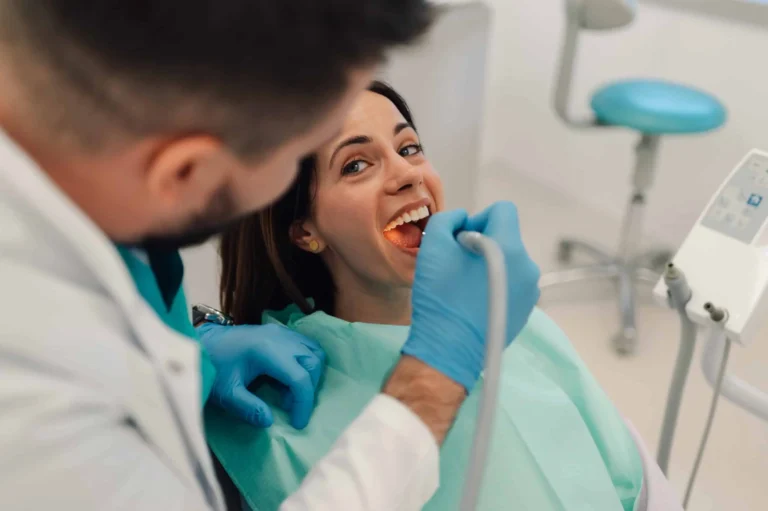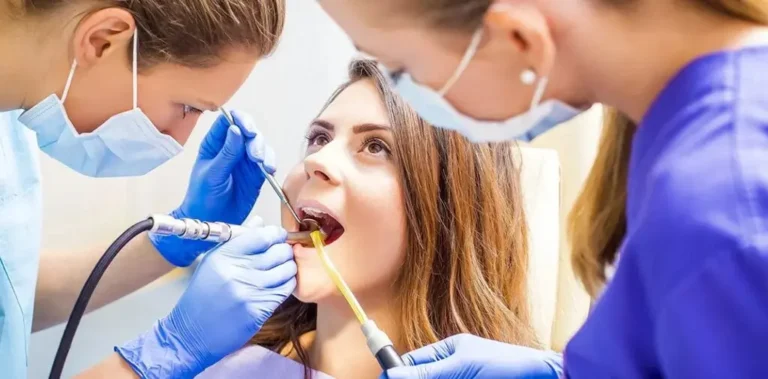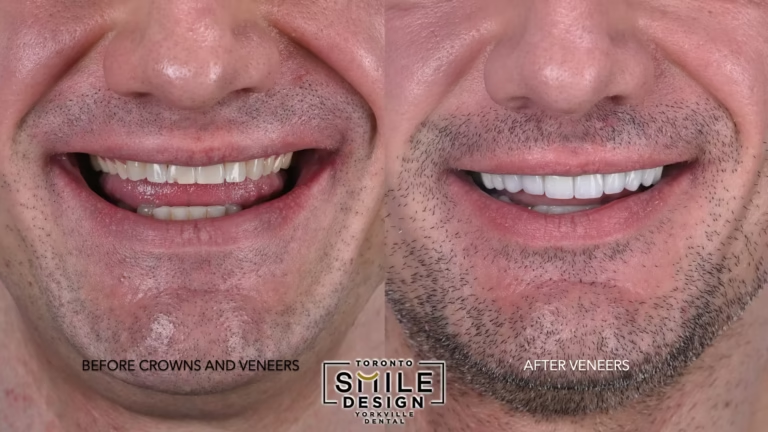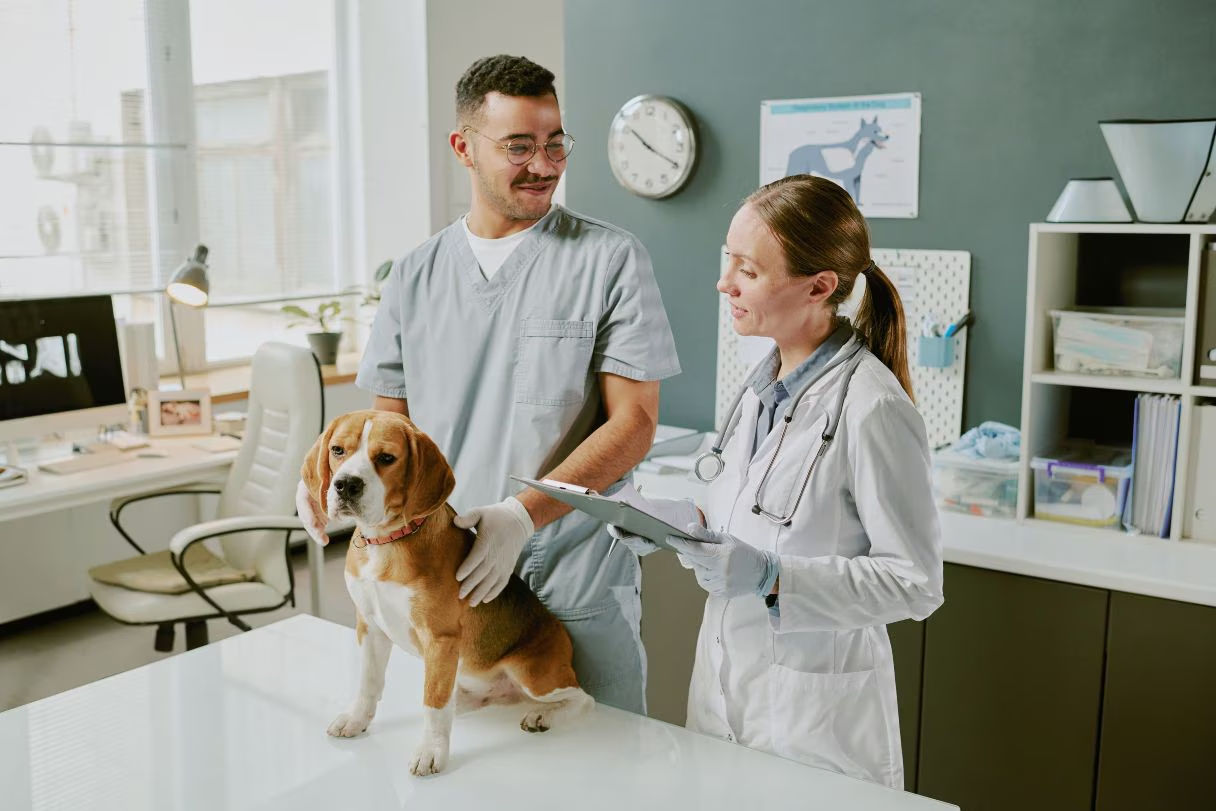
Healthy teeth protect your pet from pain, infection, and early aging. You may brush at home and choose safe toys. Yet you still need an animal hospital to keep your pet’s mouth strong. Routine dental checks find silent problems before they turn into broken teeth or abscesses. They also help control bad breath, bleeding gums, and weight loss from mouth pain. Every visit gives you clear steps you can follow at home. It also gives your pet a full exam that supports heart, kidney, and immune health. A veterinarian in East Moriches can use dental tools, safe imaging, and cleanings under careful monitoring. These services reach below the gumline, where a toothbrush cannot clean. Regular care at an animal hospital turns dental work from crisis care into simple prevention. It protects your pet’s comfort, your wallet, and the bond you share every single day.
Why your pet’s mouth needs more than brushing
Home brushing helps. Yet it cannot remove all plaque and tartar. Food, saliva, and bacteria form a sticky film on teeth. Over time this hardens into tartar that creeps under the gums. You cannot see all of it. Your pet cannot show where it hurts.
Animal hospitals use trained staff and safe tools to reach these hidden spots. They look at every tooth surface. They check the tongue, cheeks, and roof of the mouth. They use charts to track changes over time. You get a clear picture instead of guessing.
How hospital dental exams work
A preventive dental visit follows a steady pattern. This helps catch problems early and keep risk low.
- Review of your pet’s history and daily habits
- Full mouth exam and body check
- Blood work when needed before anesthesia
- Dental cleaning and polishing under anesthesia
- X rays to see roots and bone
- Pain control before, during, and after the visit
- Written home care plan with clear steps
The American Veterinary Medical Association explains that dental disease is common and painful for pets. This guidance supports what you see at your local animal hospital.
What animal hospitals can see that you cannot
Many mouth problems hide under the gumline. You may only notice bad breath or a small change in chewing. Inside the mouth, the damage can be severe. Hospital teams use dental X-rays and probing tools to find:
- Bone loss around tooth roots
- Tooth fractures and dead teeth
- Infections that threaten the jaw or sinuses
- Resorptive lesions in cats
- Oral growths that need testing
These checks protect your pet’s whole body. Bacteria from dental disease can reach the heart, liver, and kidneys. The Centers for Disease Control and Prevention explains how oral bacteria link to general health in humans. Pets face similar risks when a mouth infection spreads through the blood.
Benefits of preventive dental programs
Preventive dental programs at animal hospitals use a simple rule of three. They focus on three main goals.
- Stop pain before it starts
- Protect organs from infection
- Lower long term costs for you
Routine cleaning keeps teeth strong, so fewer need removal. Early care shortens anesthesia time and recovery. You avoid late-night emergencies with swollen faces or sudden refusal to eat. Your pet keeps eating, playing, and resting without hidden mouth pain.
Sample schedule for veterinary dental visits
Your veterinarian can adjust timing for your pet. The table below shows a simple guide by life stage.
| Life stage | Example age range | Typical dental visit schedule | Key focus |
|---|---|---|---|
| Puppy or kitten | Under 1 year | Every 6 to 12 months | Baby teeth, bite, home brushing training |
| Adult | 1 to 7 years | Every 12 months, or more often for small breeds | Cleaning, X rays as needed, tartar control |
| Senior | Over 7 years | Every 6 to 12 months with blood work | Pain control, tooth loss, infection risk |
How animal hospitals guide your home care
Preventive dental programs do not stop at the clinic door. Staff shows you how to keep care going at home. During visits, you can expect coaching on three main habits.
- Tooth brushing with pet safe paste
- Use of dental diets, treats, or chews that slow tartar
- Simple checks of gums, breath, and chewing
You learn what is normal for your pet. You also learn the warning signs that need a call. These include drooling, pawing at the mouth, blood on toys, or dropping food. Quick action protects your pet from long suffering.
Planning your pet’s next dental visit
You do not need to wait for bad breath or loose teeth. You can call your animal hospital and ask for a dental check as part of a regular visit. You can bring a list of what you see at home. You can ask about cost, payment options, and timing.
Every small step adds up. A simple cleaning today can prevent extractions, infections, and long hospital stays later. Your pet depends on you to protect their mouth. Your animal hospital stands ready to share that work and keep your pet safe.