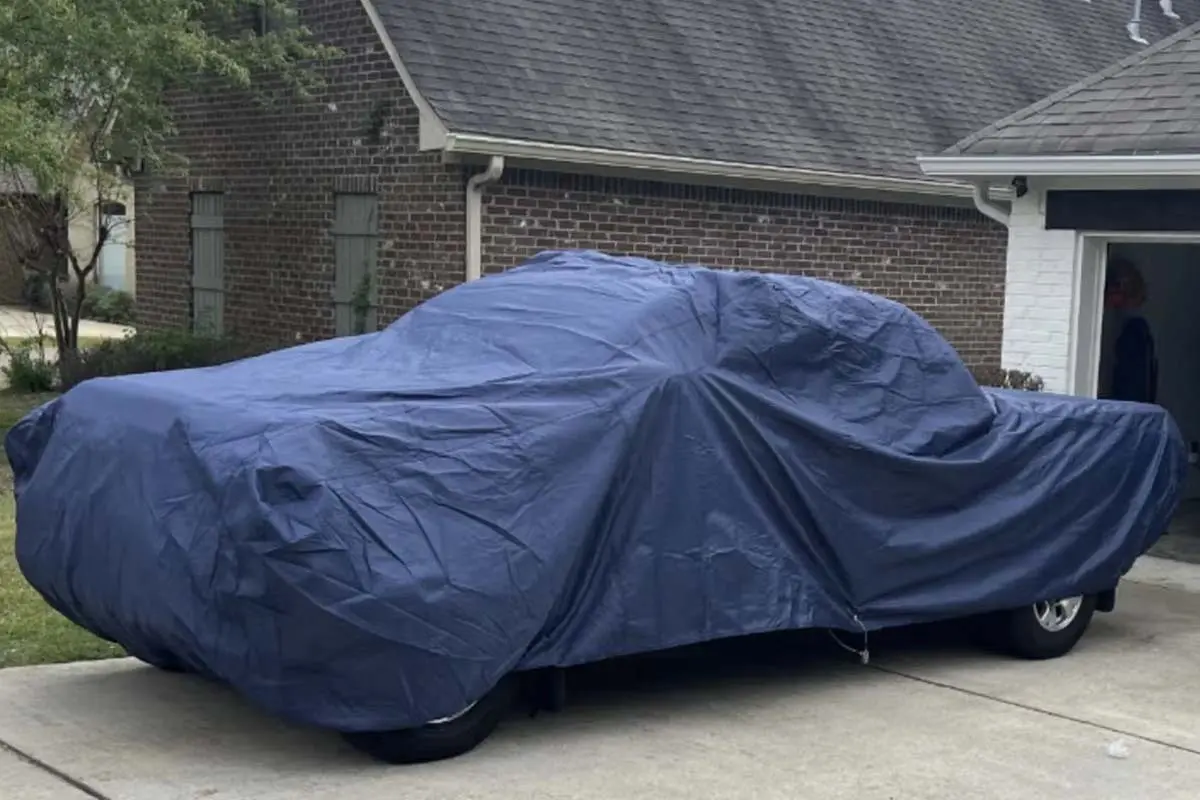
Rainy season brings a specific kind of wear that most car owners underestimate. It’s not a single storm that causes the damage. It’s weeks of repeated wet-dry cycles, standing moisture in crevices, and road spray carrying dirt, salt, and debris that gradually takes a toll on paint, metal, and rubber. A vehicle parked outdoors through all of that doesn’t come out the other side unaffected.
A high-quality waterproof car cover is one of the most practical investments for this kind of sustained exposure. But not every cover handles rain well, and picking the wrong one can actually make things worse.
What Rain Actually Does to a Vehicle
Rain alone isn’t the main concern. Before it reaches your vehicle, rain has already absorbed airborne pollutants, acidic residues, and fine particles that end up settling on the surface. When that water evaporates, it leaves those contaminants behind, and repeated cycles of this eat into the clear coat and paint over time.
Standing water in door seams, around window seals, and under trim pieces accelerates rust from the inside out. By the time surface rust becomes visible, corrosion has usually been spreading underneath for months. Wet conditions can reduce the paint’s resistance to impact, as frequent exposure to moisture makes the surface more vulnerable to damage from road debris.
The interior isn’t immune either. Poor door and window seals that have been weakened by repeated moisture exposure allow water ingress, leading to musty odors, mold, and electrical issues that are expensive to resolve.
What to Look for in a Rainy Season Car Cover
Choosing a cover for wet weather is different from choosing one for sun protection. The priorities shift significantly. Here’s what actually matters:
- Waterproofing: The outer fabric must repel water effectively. Look for covers with a multi-layer construction where the outer layer is treated or coated to prevent water penetration during sustained rain, not just light drizzle.
- Breathability: This is often overlooked, and it’s critical. A cover that’s waterproof on the outside but traps moisture underneath creates a humid microclimate against the paint. Breathable covers allow condensation and trapped moisture to escape while still keeping rain out.
- Seam construction: Rain finds its way through weak points. Quality covers use sealed or double-stitched seams that don’t allow water to wick through the thread channels during heavy downpours.
- Secure fit: A cover that lifts or shifts in the wind doesn’t protect consistently. Look for elastic hems, adjustable straps, or buckle systems that keep the cover anchored to the vehicle even in stormy conditions.
- Soft inner lining: Wet conditions cause covers to press against the vehicle surface more than in dry weather. A soft, non-abrasive inner layer prevents micro-scratches on the paint during those contact points.
- UV resistance: Rainy seasons still include sunny days, and UV damage continues even in wetter months. A cover that handles both rain and sun is more versatile and provides year-round value.
A cover that meets all these requirements will cost more than a basic universal option, but it is the difference between real protection and a false sense of security.
Fitted vs. Universal Covers in Wet Weather
When dealing with prolonged rain exposure, the type of car cover you choose makes a noticeable difference in how well your vehicle is protected.
Universal Covers
Universal covers are designed to fit a wide range of vehicles within a size category. In dry conditions, this is a reasonable trade-off. In wet weather, the gaps matter more.
A loose-fitting cover creates pockets where water pools, particularly on the hood and roof. That pooled water adds weight that stresses the seams and puts pressure on the paint beneath. It also takes longer to dry out, meaning the paint underneath stays wet long after the rain has stopped.
Fitted Covers
A vehicle-specific fitted cover follows the contours of the car more closely, drains water more effectively, and stays more secure in the wind. For vehicles parked outdoors through an extended rainy season, a fitted cover is meaningfully better at the job it’s supposed to do.
For pickup trucks, pairing a fitted cover with a well-sealed truck cap helps protect the bed area from water buildup and keeps cargo dry during prolonged rain exposure.
Practical Tips for Using a Car Cover in the Rain
Even the best cover performs better with the right habits:
- Let the car dry before covering it: If the vehicle is wet when the cover goes on, moisture gets sealed in. Whenever possible, cover the car before rain rather than after it’s already soaked.
- Check for debris under the cover periodically: Leaves, twigs, and grit can accumulate between the cover and the paint. These abrade the surface every time the cover moves in the wind. A quick check every few days prevents this.
- Store the cover properly: A wet cover rolled up and left in a bag will develop mildew. If the cover comes off a wet car, allow it to air dry fully before storing. Most quality covers can also be machine washed, which helps keep the fabric functioning as intended.
- Use mirror pockets if available: These help the cover sit snugly and prevent the loose flaps on the sides from catching wind and flapping against the paint.
The Bigger Picture
A car cover doesn’t replace proper detailing or rust treatment for a vehicle that already has paint damage. But for a vehicle in good condition, a quality waterproof cover used consistently through the rainy season is one of the most cost-effective ways to come out the other side without new rust spots, paint etching, or interior moisture issues.
The rainy season could be predictable. However, the damage it causes doesn’t have to be. A cover that fits, breathes, and stays put in stormy weather is a simple investment that pays off every time the clouds roll in.
Author Bio
Mark Adams is a content writer and automotive research specialist at Seal Skin Covers, specializing in vehicle and outdoor protection solutions. He focuses on helping readers safeguard their investments through practical care tips, storage advice, and product insights. With a strong interest in automobiles and vehicle maintenance, Mark enjoys exploring ways to extend the life and performance of cars, trucks, and recreational vehicles.