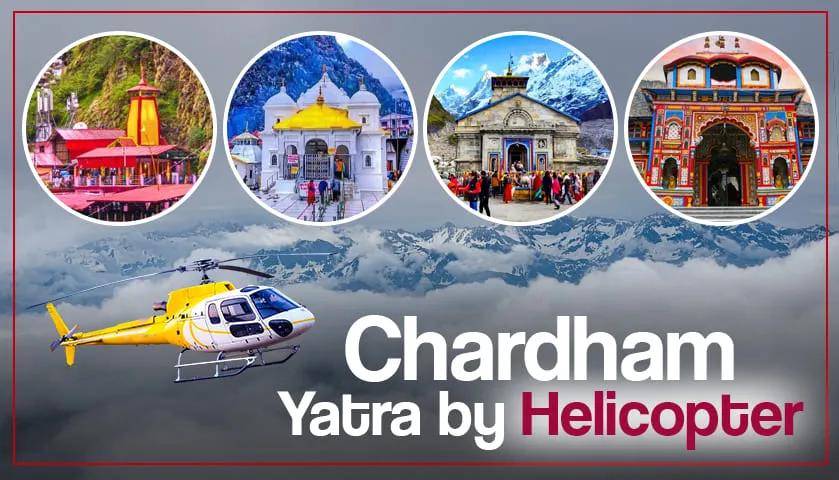
The Chardham Yatra by helicopter package offers a transformative spiritual journey through the mystical peaks of the Himalayas, providing a seamless way to visit the four most sacred shrines in India. This high-altitude pilgrimage, traditionally known as the Teerth Yatra, covers Yamunotri, Gangotri, Kedarnath, and Badrinath. For many devotees, navigating the rugged terrain of Uttarakhand on foot or by road presents significant physical challenges. Opting for a helicopter service not only saves time but ensures that seniors and those with limited mobility can receive the blessings of the deities without the exhaustion of long treks. This curated travel experience prioritizes safety, comfort, and spiritual focus, allowing you to immerse yourself fully in the chants and rituals of these ancient temples.
The Spiritual Significance of the Char Dham Circuit
The circuit follows a specific sequence rooted in Vedic traditions, beginning from the west and moving towards the east. The journey starts at Yamunotri, dedicated to Goddess Yamuna, followed by Gangotri, the seat of Goddess Ganga. The third stop is Kedarnath, one of the twelve Jyotirlingas of Lord Shiva, and the final destination is Badrinath, the abode of Lord Vishnu.
According to Hindu mythology, completing this circuit helps a soul attain ‘Moksha’ or liberation from the cycle of birth and rebirth. Each temple holds a unique energy. Yamunotri cleanses the spirit, Gangotri purifies the past, Kedarnath offers a connection to the divine consciousness, and Badrinath provides the ultimate peace. By choosing an aerial route, you maximize your time at each shrine, ensuring you can participate in the evening Artis and morning Abhishekams which are often missed during hurried road trips.
Why Choose a Helicopter Over Traditional Road Travel
Travel in the Garhwal Himalayas is notoriously unpredictable. Road closures due to landslides or heavy rains can derail a 12-day itinerary instantly. A helicopter tour condenses this lengthy journey into a 5-night or 6-night experience.
- Time Efficiency: What takes 10 to 12 days by road can be completed with ease in less than a week.
- Comfort and Health: High-altitude sickness is a real concern. Flying reduces the physical strain, keeping your energy levels high for the temple darshans.
- Bird’s Eye View: The aerial perspective of the snow-capped peaks, the confluence of rivers (Prayags), and the deep valleys provides a visual experience that no road journey can match.
Detailed Itinerary: From Dehradun to the Divine Shrines
The journey typically commences from the Sahastradhara Helipad in Dehradun. Most travelers arrive a day early to acclimate to the mountain air and attend a pre-departure briefing.
Day 1: Arrival in Dehradun
Your journey begins with a warm welcome in the capital of Uttarakhand. After checking into your hotel, you will meet the ground staff who will weigh your luggage (usually restricted to 5kg per person for helicopter safety) and provide you with your boarding passes.
Day 2: Dehradun to Yamunotri
The flight to Kharsali, the base for Yamunotri, takes about 45 minutes. From Kharsali, the temple is a 6-kilometer journey. While many walk, helicopter packages often include Palki (palanquin) or pony services to take you to the temple. After offering prayers at the black idol of Goddess Yamuna and dipping your hands in the Surya Kund, you return to Kharsali for an overnight stay.
Day 3: Kharsali to Gangotri
A short flight takes you to Harsil, often called the “Mini Switzerland of India” due to its dense apple orchards and serene landscape. From Harsil, a comfortable car drive takes you to the Gangotri temple. The white marble structure against the backdrop of the Bhagirathi River is a sight of immense purity. After the Puja, the evening is spent in the quietude of Harsil.
Day 4: Harsil to Kedarnath
This is often the most anticipated leg of the trip. The helicopter flies to Sersi, Phata, or Guptkashi, where you switch to a shuttle flight that lands just 500 meters from the Kedarnath temple. Being at an altitude of 3,583 meters, the air is thin but the atmosphere is electric with the sounds of “Om Namah Shivaya.” You will have priority darshan slips, ensuring you spend less time in queues and more time in meditation.
Day 5: Kedarnath to Badrinath
The final flight takes you to Badrinath. The temple, painted in vibrant colors, sits between the Nar and Narayan mountain ranges. Travelers often visit the Mana Village, the last Indian village before the Tibet border, and see the origin of the Saraswati River. The stay here allows you to witness the Maha Abhishek at dawn, a deeply moving ritual.
Day 6: Return to Dehradun
After a final breakfast in the mountains, you fly back to Dehradun, carrying back memories and a sense of spiritual accomplishment.
Essential Travel Tips for Himalayan Pilgrims
Planning a trip to the Himalayas requires attention to detail. Weather conditions can change in minutes, and being prepared is key to a smooth experience.
- Packing Light: Helicopter carriers have strict weight limits (usually 5 kg). Pack thermals, a heavy jacket, and comfortable walking shoes with good grip.
- Medical Fitness: Even with a helicopter, you are at high altitudes. Consult a doctor regarding mountain sickness and carry basic medications for headaches and nausea.
- Communication: Only certain networks work well in the mountains. BSNL and Jio generally have better connectivity in remote areas compared to others.
- Clothing: Always dress in layers. The sun can be very harsh during the day, but temperatures drop significantly as soon as the sun sets.
Safety Protocols and Pilot Expertise
Safety is the cornerstone of any reputable aviation service in Uttarakhand. The pilots flying these routes are often ex-military personnel with thousands of hours of experience navigating mountainous terrains.
Before every take-off, the aircraft undergoes rigorous checks. Flights only operate during clear visibility hours, typically from 6:00 AM to 4:00 PM. If the weather turns unfavorable, the operations are paused immediately. This commitment to safety ensures that your pilgrimage is not just spiritual but also secure. Most operators use single-engine Eurocopter or Bell helicopters, which are ideally suited for high-altitude landings.
Cultural Etiquette at the Shrines
When visiting these ancient temples, it is important to respect the local customs and traditions:
- Photography: Most temples strictly prohibit photography inside the sanctum sanctorum. Respect these rules to maintain the sanctity of the space.
- Attire: Wear modest clothing. While traditional Indian wear like Kurta-Pyjamas or Sarees is preferred, any respectful attire that covers the shoulders and knees is acceptable.
- Charity: If you wish to donate, use the official donation boxes managed by the Temple Committee (BKTC) to ensure the funds are used for the upkeep of the shrines.
The Best Time to Visit
The gates of the Char Dham usually open in late April or early May (on the auspicious day of Akshaya Tritiya) and close in November (after Diwali).
- May to June: This is the peak season. The weather is pleasant, and the skies are usually clear for helicopter operations.
- September to October: Post-monsoon is another excellent window. The landscape is lush green, and the crowds are thinner than in the summer months.
- Monsoon (July to August): Travel during this period is generally discouraged due to heavy rainfall and the risk of flight cancellations.
Integrating Modern Amenities with Ancient Tradition
Modern helicopter packages have bridged the gap between the ascetic lifestyle of pilgrims and the need for modern comfort. Today, you can find luxury campsites and well-appointed hotels at each stop. These accommodations provide hot water, nutritious vegetarian meals, and oxygen cylinders if required. This allows you to focus entirely on your prayers and the natural beauty around you, rather than worrying about basic logistics.
The chardham yatra by helicopter package is designed for those who seek a balance between devotion and convenience. It removes the hurdles of long-distance trekking and the exhaustion of mountain roads, replacing them with a swift, eagle-eye journey through the “Land of the Gods.” Whether you are traveling with family or seeking a solo spiritual retreat, this mode of travel offers the most efficient path to the divine.
Conclusion and Final Thoughts
Completing the pilgrimage is a milestone in any devotee’s life. While the aerial route is the fastest, some travelers still prefer the traditional path. For those starting from the capital city, a char dham yatra package from delhi by car is a popular alternative for those who enjoy the slow pace of winding mountain roads and the ability to stop at smaller roadside temples and local markets along the way. However, if time is of the essence and physical ease is a priority, the helicopter remains the gold standard. Regardless of how you choose to travel, the Himalayas will leave an indelible mark on your soul. The crisp mountain air, the sound of temple bells echoing through the valleys, and the sight of the sun hitting the peaks at dawn are experiences that stay with you long after you have returned home. Ensure you book your slots well in advance, as helicopter seats are limited and in high demand during the holy season.