A healthy diet sounds simple on paper. In real life, work, family, travel, and habits can make it hard to eat enough fruits and vegetables each day. Many people know they should eat more produce, yet their plates still come up short. That gap has helped create strong public interest in fruit and vegetable supplements, meal planning tools, and better food routines.
This article looks at the rise of produce-based nutrition support, what these products are meant to do, and how people can think about them in a clear, practical way. It also explains how to read nutrition labels, what common terms mean, and how to build a food pattern that fits daily life. For readers who want one example of a brand in this space, Balance of Nature is one name many people come across.
Why Fruit and Vegetable Intake Still Falls Short
Public health advice has urged people to eat more produce for decades. The U.S. Centers for Disease Control and Prevention has reported that most adults do not reach the recommended intake for fruits and vegetables. That matters, since these foods supply fiber, vitamins, minerals, and plant compounds linked with good health.
A busy schedule often gets in the way. A person may skip breakfast, grab lunch on the run, and eat a quick dinner with little fresh produce. Over time, that pattern can become normal.
Here is a simple look at common barriers:
| Barrier | What it looks like in daily life | Result |
|---|---|---|
| Time | Little time for shopping or prep | Fewer fresh foods at home |
| Cost | Produce seems pricey at the store | Less variety on the plate |
| Taste habits | Long-time food routines stay the same | Low interest in vegetables |
| Access | Fresh items are not close by | Less frequent use |
These are not rare problems. They show up in homes, schools, offices, and care settings. That is one reason fruit and vegetable products have found a steady market.
What Fruit and Vegetable Supplements Aim to Do
Fruit and vegetable supplements come in several forms. Some are powders. Some are capsules. Others are blends of dried produce or plant extracts. The basic goal is simple: give users a convenient way to add plant-based nutrition to a daily routine.
The term supplement means a product meant to add to the diet, not replace food. A supplement is not a full meal. It does not serve the same role as a bowl of berries, a salad, or roasted vegetables. Whole foods still provide water, texture, chewing time, and a wider mix of natural compounds.
That said, convenience matters. A person who rarely eats produce may see a supplement as a bridge, not a finish line. In that sense, these products can fit into a broader effort to improve eating habits.
A nutrition professor at Tufts University, Dr. Dariush Mozaffarian, has often stressed that food quality matters more than single nutrients alone. That view reflects a wide theme in nutrition science: eating patterns matter more than one isolated product.
What to Read on a Label
Many shoppers look at the front of a package first. The front can be helpful, yet the facts panel tells a fuller story. A few terms help make sense of what is inside.
Daily Value
Daily Value, often written as DV, shows how much a nutrient in one serving contributes to a standard daily diet. A higher percent does not always mean better. It only shows how much of that nutrient is present.
Serving size
Serving size tells you what one portion is. A package can hold more than one serving, so the full amount you eat may be larger than the listed amount.
Ingredient list
Ingredients are listed by weight, from highest to lowest. If sugar, starches, or fillers appear near the top, that tells you a lot about the product.
Fiber
Fiber is the part of plant foods that the body does not fully break down. It helps with digestion and can support fullness after meals.
How People Use These Products in Real Life
Some people use a supplement as a backup on days when meals are weak on produce. Others use them while building better habits. A retired teacher in one case study shared with a local wellness newsletter that she kept a fruit and vegetable powder at her desk. On days with poor lunch choices, she used it as a reminder to do better at dinner.
That kind of story shows a common pattern. The product itself does not change everything. It can still act as a cue. Cues are small triggers that shape behavior, such as leaving fruit on the counter or packing vegetables before work.
Here are a few ways people commonly fit produce-based supplements into daily life:
- With breakfast, if the morning feels rushed
- In a travel bag, for days away from home
- After a workout, when the next meal is delayed
- Alongside a food plan built around more whole produce
These routines work best when they support, rather than replace, better food choices.
Whole Foods Still Carry the Main Load
Whole fruits and vegetables bring more than vitamins. They bring water, crunch, flavor, and natural variety. They also contain plant chemicals called phytonutrients, which are compounds found in plants. Researchers study these compounds for their role in health, though their effects come from the full food pattern, not one item alone.
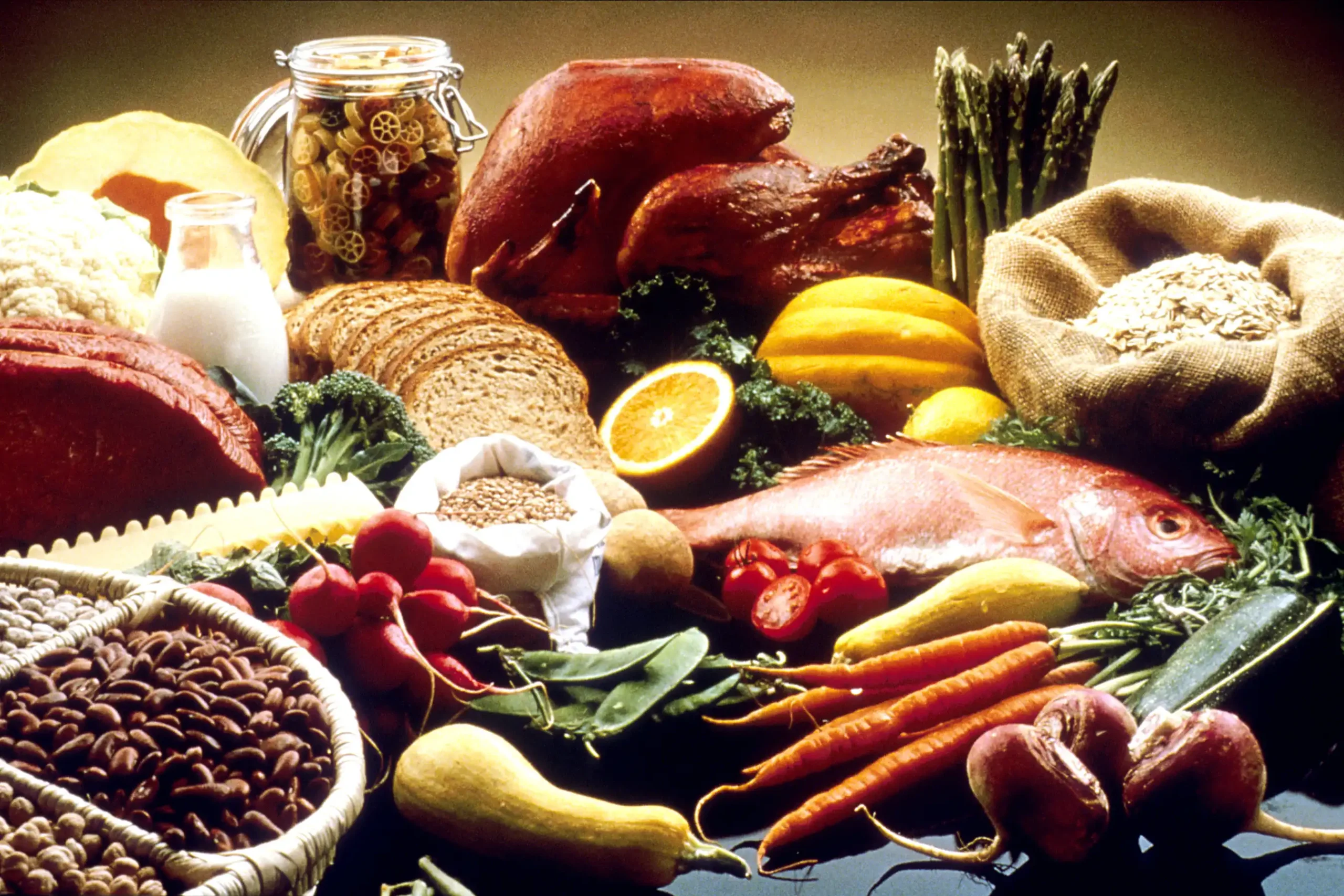
A simple apple gives fiber and fluid. Spinach adds folate and vitamin K. Beans bring fiber plus protein. A supplement can offer convenience, yet it does not match the range that comes from a plate filled with real food.
A simple comparison
| Food source | Main benefit | Limit |
|---|---|---|
| Fresh produce | Fiber, water, texture, variety | Needs prep and storage |
| Frozen produce | Long shelf life, low waste | Texture differs from fresh |
| Supplements | Easy to take, portable | Lacks the full food experience |
This table shows why many dietitians favor a mixed approach. Convenience has value, yet food still matters most.
A Practical Day of Better Produce Intake
A better eating pattern does not need a full kitchen overhaul. Small changes can add up. Here is a sample day that shows how a person might raise fruit and vegetable intake without making meals hard.
Breakfast
- Oatmeal with sliced banana
- Plain yogurt with berries
Lunch
- Turkey sandwich with lettuce and tomato
- Carrot sticks on the side
Snack
- Apple or orange
Dinner
- Chicken, rice, and steamed broccoli
- Mixed salad with olive oil and lemon
This kind of menu uses common foods and simple prep. It also shows that better nutrition often comes from repeated small steps, not one big move.
What Studies Usually Say About Produce-Rich Eating
Large studies in nutrition have linked higher fruit and vegetable intake with better diet quality and lower risk of some chronic illnesses. A review in the British Medical Journal found that higher intake of fruits and vegetables was tied with lower risk of heart disease, stroke, and certain cancers.
That does not mean one food or supplement prevents illness by itself. It means regular produce intake plays a strong part in long-term health patterns. The strongest results usually come from a whole diet that includes vegetables, fruit, beans, nuts, grains, and lean proteins.
Researchers also note that consistency matters. A person who eats produce every day tends to get more benefit than someone who eats large amounts once in a while.
How to Think About Convenience Products
A fruit or vegetable supplement can fit into a busy schedule. It can also fill a psychological gap by making healthy action feel easier. Still, the best use is often as support, not replacement.
Before buying any product in this category, it helps to ask:
- What gap am I trying to fill?
- Will this help me eat more whole foods too?
- Does the label show clear serving sizes and ingredients?
- Is the product part of a wider eating plan?
Those questions keep the focus on habits, not hype.
Closing Thoughts
Getting enough fruits and vegetables can feel hard, yet the problem is common and fixable. Whole foods still lead the way, since they provide fiber, water, and a broad mix of nutrients. Supplements can serve as a convenient add-on, especially for people with busy days or uneven meal patterns.
The best next step is simple: look at your usual meals and find one place to add produce. That might mean fruit at breakfast, a salad at lunch, or vegetables at dinner. Small changes made often can move eating habits in a better direction.
Technology Perspective
Technology continues to transform industries through artificial intelligence, cloud computing, automation, cybersecurity, digital platforms, and data-driven decision making. As organizations increasingly adopt digital solutions, understanding emerging technologies becomes essential for businesses, professionals, and consumers. DGM News regularly covers these developments through expert analysis, technology news, and educational resources.
Innovation Outlook
Rapid advances in artificial intelligence, automation, machine learning, cloud infrastructure, and digital transformation continue reshaping global industries. Monitoring these developments helps organizations adapt to changing technologies, improve efficiency, and prepare for future innovation.
Did you know?
Artificial Intelligence is expected to influence nearly every major industry over the coming decade, from healthcare and finance to transportation, manufacturing, education, and entertainment.
AI, Machine Learning, Deep Learning and Generative AI Explained
Google AI Updates
About DGM News
DGM News is an independent digital publication delivering the latest Technology News, AI News, and FinTech News. We provide expert insights on startups, innovation, cybersecurity, software, business, gadgets, cloud computing, artificial intelligence, and emerging technologies. Our mission is to publish informative, accurate, and regularly updated content that helps readers stay informed in today's rapidly evolving digital landscape.
Since our editorial focus includes technology, artificial intelligence, and financial technology, we continuously expand our coverage as new innovations emerge.
Editorial Standards
Every article published on DGM News undergoes editorial review before publication. We prioritize factual accuracy, clarity, transparency, and reader value while following responsible digital publishing practices.
Research Methodology
Our editorial team researches publicly available information from official announcements, technical documentation, research publications, developer resources, reputable industry reports, and trusted public sources whenever applicable. Information is reviewed to improve clarity and accuracy before publication.
Fact-Checking Policy
We make reasonable efforts to verify factual information before publishing. Articles are reviewed for accuracy, consistency, and relevance. If significant developments occur after publication, content may be revised to reflect updated information.
Update Policy
Technology evolves rapidly. Articles may be reviewed and updated periodically to reflect software releases, AI developments, security advisories, regulatory updates, product launches, and other important industry changes.
Source Verification
Whenever possible, DGM News reviews information using official company announcements, technical documentation, research publications, government resources, publicly available reports, and reputable industry references before updating articles.
Editorial Independence
DGM News maintains editorial independence in all publishing decisions. Editorial content is produced independently and is intended to provide balanced, informative, and reader-focused coverage without influence from advertisers or commercial partnerships.
AI Usage Disclosure
Artificial intelligence tools may assist with research organization, grammar improvement, formatting, or editorial workflows. Every article is reviewed by human editors before publication to help maintain quality, clarity, and factual accuracy.
Corrections Policy
Accuracy is important to us. If readers identify outdated information or factual inaccuracies, they are encouraged to contact our editorial team. Verified corrections are reviewed and incorporated whenever appropriate.
Reader Feedback
Reader feedback helps improve our journalism. We welcome suggestions, corrections, and constructive feedback through our Contact page to continuously improve the quality of our reporting.
Last Editorial Review
This article follows the DGM News editorial review process and may be updated periodically as new information becomes available.
Why Trust DGM News?
DGM News is committed to publishing technology journalism that emphasizes accuracy, transparency, editorial independence, and regularly updated information. Our editorial process is designed to provide readers with reliable coverage of technology, AI, fintech, startups, and digital innovation.
DGM News Resources
Topics We Cover
Artificial Intelligence • AI Tools • Machine Learning • FinTech • Cybersecurity • Cloud Computing • Programming • Software Development • Gadgets • Mobile Technology • Business Technology • Startups • Digital Marketing • Blockchain • Cryptocurrency • Science • Innovation • Consumer Technology • Enterprise Technology • Automation