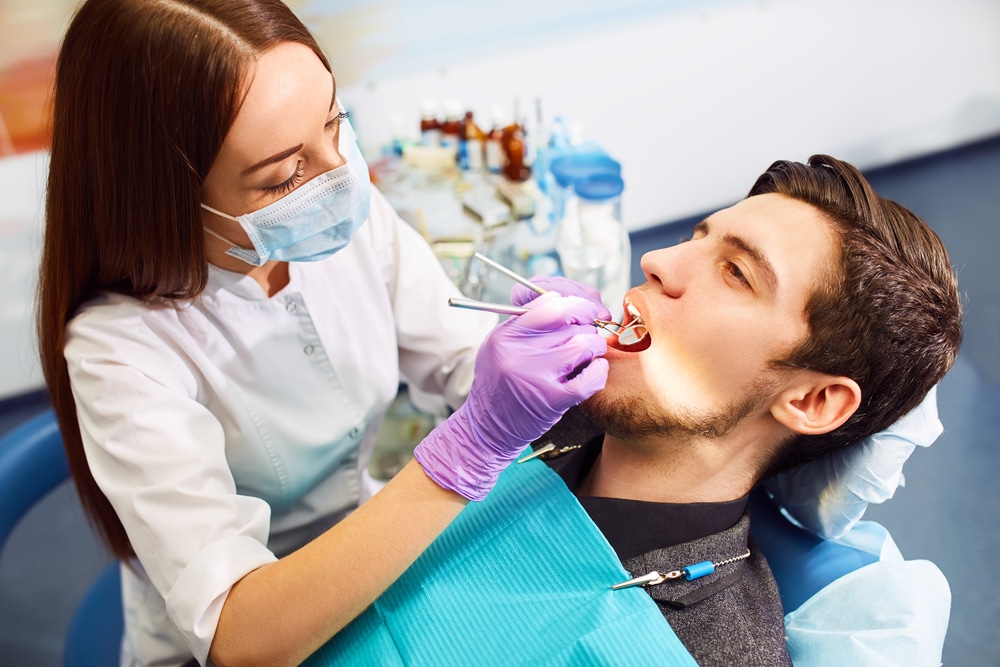
Your mouth often shows the first signs of deeper health trouble. You may not notice small changes. A routine checkup with an experienced Santa Rosa family dentist can reveal warning signs before they grow into painful problems. Early clues can point to gum disease, tooth decay, oral cancer, or serious wear from grinding. Each of these can threaten your comfort, speech, and ability to eat. They can also point to conditions like diabetes or heart disease. You deserve clear answers, not surprises. Regular visits help your dentist track changes, explain what they see, and guide you through simple steps that protect your health. This blog explains four common warning signs your general dentist can spot early. You will see what each sign looks like, why it matters, and what happens next. You gain control when you understand what your dentist sees.
1. Bleeding, Swollen, or Tender Gums
Gums should look firm and pink. They should not bleed when you brush or floss. They should not feel puffy or sore.
When gums bleed, swell, or pull away from teeth, your dentist often sees early gum disease. The Centers for Disease Control and Prevention explains that almost half of adults over 30 show some form of gum disease.
Your dentist will look for three main signs.
- Red or swollen gum edges around one or more teeth
- Bleeding after gentle probing or cleaning
- Pockets forming between teeth and gums
These changes often come from plaque that sits along the gumline. If you catch gum disease at this stage, cleaning and better home care can restore gum health. If you wait, the infection can spread, and the bone can break down. Then the teeth can loosen and hurt.
Your dentist may suggest:
- Stronger brushing and flossing routines
- Antimicrobial mouth rinse
- Deep cleaning visits to clear plaque and tartar under the gums
Early care protects your teeth. It also lowers strain on your immune system and heart.
2. White Spots, Dark Spots, or Holes in Teeth
Tooth decay usually starts small. You may not feel pain. You may only see tiny white chalky spots or light brown marks. Your dentist sees these early on smooth surfaces or between teeth.
Tooth decay often grows in three steps.
- Early stage. White or chalky spots that show mineral loss
- Middle stage. Brown or dark spots and mild sensitivity
- Late stage. Cavities or holes, severe pain, and risk of infection
Here is a simple comparison of early and late decay.
| Stage | What you might see | What you might feel | Common treatment |
|---|---|---|---|
| Early decay | White or light brown spots | Little or no pain | Fluoride, sealants, small fillings |
| Advanced decay | Dark spots or visible holes | Sharp pain, broken tooth | Large fillings, crowns, root canals, or removal |
When your dentist finds decay early, treatment stays small. You keep more natural tooth. You also save time and money. When you wait, decay can reach the nerve. That can lead to infection and swelling in your face or neck.
Your dentist may use X rays, bright lights, and special tools to find spots you cannot see. You can lower risk by using fluoride toothpaste, limiting sugary drinks, and drinking tap water where it is safe.
3. Sores, Lumps, or Color Changes in the Mouth
Not every sore means cancer. Some spots come from biting your cheek, sharp chips, or hot food. Those usually heal within two weeks. Your dentist watches for sores that do not heal, lumps, or changes in color on the tongue, cheeks, lips, or gums.
Common warning signs include:
- A sore that does not heal after two weeks
- A lump or thick patch in the cheek or on the tongue
- Red or white patches that spread or feel rough
- Numbness in part of the mouth
- Trouble chewing or swallowing
The National Cancer Institute notes that dentists often find oral cancer during routine exams.
When your dentist sees a suspicious spot, you may feel fear. That response is human. Still, early testing gives you the best chance for a cure. Your dentist may:
- Photograph the spot and watch it for a short time
- Refer you for a biopsy
- Send you to a specialist for more testing
Quick action can turn a frightening unknown into a clear plan. Smoking, heavy alcohol use, and HPV infection raise risk. You can cut risk by avoiding tobacco, limiting alcohol, and using lip balm with sun protection.
4. Worn, Cracked, or Flattened Teeth
Your teeth should have natural ridges and points. When you clench or grind, those points wear down. Teeth can look flat, chipped, or shorter. You may wake with tight jaw muscles or dull headaches.
During an exam, your dentist may see:
- Flat biting surfaces on back teeth
- Chips on front teeth
- Notches near the gumline
- Cracks in enamel
Teeth grinding often links to stress or sleep problems. Children and adults both grind. Many people do not know they do it. Early wear may not hurt. Later, you can face broken teeth, severe sensitivity, and jaw joint pain.
Your dentist may suggest three key steps.
- Night guard to protect teeth during sleep
- Repair of cracked or chipped teeth
- Referral for stress care or sleep study if needed
Protecting worn teeth early reduces future pain. It also preserves your bite and your smile.
How Often You Should See a Dentist
Most people need a checkup and cleaning every six months. Some with higher risk need visits every three or four months. Your dentist will set a schedule based on your mouth and your health history.
Regular visits support three outcomes.
- Early detection of problems
- Simple treatment plans
- Lower risk of sudden dental emergencies
You can support these visits with daily brushing, flossing, and healthy food choices. Water, plain dairy, and crunchy fruits and vegetables help clean teeth. Sugary drinks, sticky sweets, and constant snacking raise the risk.
Take Action When You Notice a Warning Sign
If you see bleeding gums, new spots on teeth, sores that do not heal, or worn teeth, do not wait. Call your dentist and describe what you see and feel. Clear action brings relief and control.
Your mouth tells a story about your health. You protect yourself when you listen early and seek care quickly. Regular dental visits, strong home care, and honest talks with your dentist form a simple plan. You deserve a mouth that feels steady, strong, and pain-free.