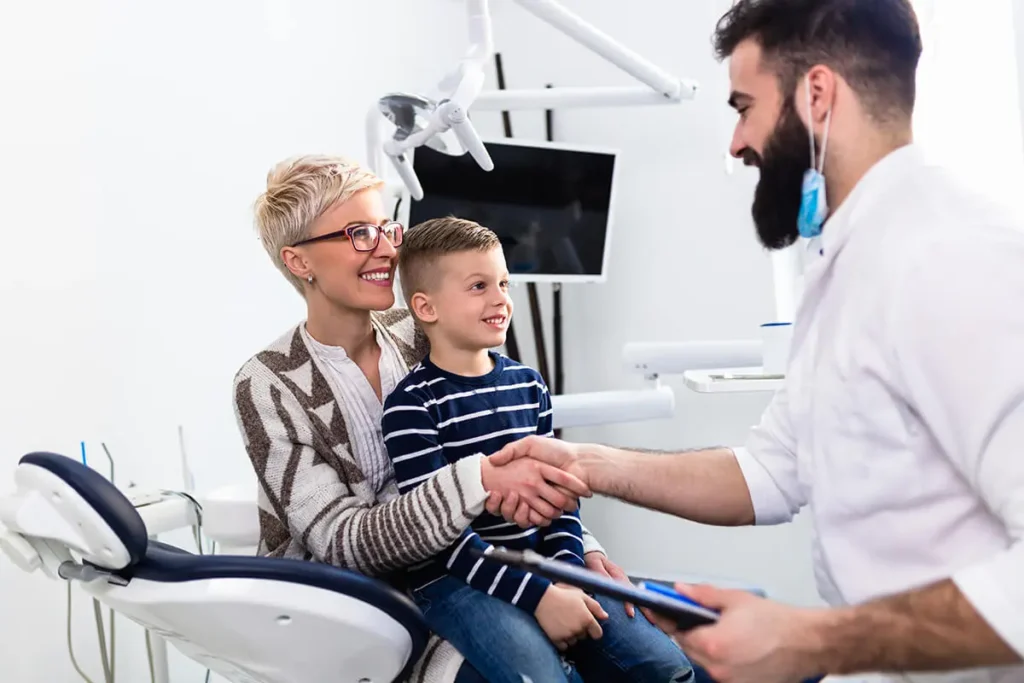
Your mouth changes through your life. Teeth shift. Gums recede. Old fillings crack. Small problems grow into pain when no one is watching. Family dentistry gives you one steady place that tracks those changes and protects you before trouble erupts. Regular visits let your dentist compare today’s exam with last year’s records. That history helps catch silent problems like grinding, early gum disease, and tooth wear from stress. It also guides care for your children as their teeth come in and for aging parents who face new risks. A trusted dentist in Ladera Ranch can spot patterns you may miss in the mirror. Routine cleanings, exams, and X rays turn into a long term record of your health. That record helps you avoid emergency visits, heavy treatments, and lost teeth. You gain control. You keep your smile strong year after year.
Why one family dentist matters
Seeing one family dentist over time creates a clear picture of your health. Each visit adds new notes, images, and test results. That record shows change. It also shows what stays the same.
With one office, you get:
- Consistent exams that build on past visits
- Clear tracking of X rays, photos, and gum charts
- Early warning when small changes appear
This long view helps prevent sudden pain. It also reduces guesswork. Your dentist does not have to start from zero at every visit. Instead, care follows a steady plan.
How family dentistry tracks change through the years
Your needs shift at each life stage. Family dentistry follows that path and adjusts care for you.
Common oral health needs by life stage
| Life stage | Main concerns | How family dentistry helps |
|---|---|---|
| Young children | First teeth, thumb sucking, early cavities | Gentle cleanings, fluoride, sealants, habit counseling |
| Teens | Braces, sports injuries, sugary drinks | Growth checks, mouthguards, diet coaching, cavity watch |
| Adults | Work stress, grinding, gum disease | Gum measurements, bite checks, night guards, deep cleanings |
| Older adults | Dry mouth, medications, tooth loss | Denture care, dry mouth support, root decay checks, cancer screenings |
Each stage brings new risks. Consistent care makes those shifts easier to manage. You do not need to explain your history every time. Your dentist already knows it.
What your dentist watches at every visit
A family visit is more than a quick polish. It is a full check of your mouth and your habits.
Common checks include:
- Teeth for cracks, wear, or loose fillings
- Gums for bleeding, pockets, and recession
- Bite for grinding, clenching, or jaw pain
- Tongue, cheeks, and lips for sores or color changes
- X-rays for hidden decay or bone loss
The Centers for Disease Control and Prevention reports that untreated cavities and gum disease remain common in all ages. Regular checks let your dentist find these problems before they reach nerves or bone. That reduces pain. It also reduces the chance you will need root canals or extractions.
Why tracking gum health over time matters
Gum disease grows slowly. At first, gums bleed a little when you brush. Later, teeth may loosen. Bone can shrink. You may not feel strong pain until late.
Family dentistry uses repeated gum measurements to follow change. Your dentist records pocket depths and bleeding points. Each visit shows if those numbers rise, fall, or stay level.
This tracking helps your dentist:
- Spot early gum disease before bone is lost
- Adjust cleanings from routine to deeper when needed
- Judge how well you clean at home
The National Institute of Dental and Craniofacial Research explains that gum disease links to diabetes and heart disease. Long-term monitoring protects more than your teeth. It supports your body.
How records protect your whole family
When one office sees your family, patterns become clear. Your dentist can see shared risks and respond early.
For example, your family dentist may notice:
- Several children with similar weak spots in enamel
- Parents and teens with the same grinding habit
- Common dry mouth linked to shared medications
That pattern helps shape care. Your dentist can suggest sealants for all children, night guards for more than one person, or closer checks for root decay in older relatives. One office turns scattered visits into a united plan.
Preventive visits versus emergency care
Many people wait for pain before they call. That choice often leads to longer visits and higher costs. Routine visits change that story.
Preventive visit compared with emergency visit
| Feature | Preventive family visit | Emergency visit |
|---|---|---|
| Timing | Planned every 6 to 12 months | Unplanned, often urgent |
| Goal | Prevent and monitor problems | Stop pain and control damage |
| Common care | Cleaning, exam, X-rays, fluoride | Fillings, root canals, extractions |
| Stress level | Lower | Higher |
Regular family visits shift you toward calm, planned care. You spend more time preventing and less time fixing.
Turning each visit into a long term plan
Each appointment should end with a clear next step. That step can be simple. It can be a small change in your daily routine. Over time, these small changes build strong habits.
Ask for three things at each visit:
- One clear goal for home care
- One change to your diet or routine
- One sign that should trigger a call
Examples include brushing longer at night, cutting one sugary drink, or calling if a sore spot lasts more than two weeks. These simple steps give you control. They also give your dentist feedback at your next visit.
Staying committed over the years
Life gets crowded. Work, school, and caretaking pull your focus. It is easy to push dental visits aside until pain forces the issue. Yet steady family care saves time, money, and comfort.
To stay on track, you can:
- Book the next visit before you leave the office
- Use reminders on your phone or calendar
- Link visits to school breaks or birthdays
Over time, these visits become routine, like yearly physicals. The office becomes a familiar place. Your dentist knows your story. That trust makes it easier to face change and harder news when it comes.
Your mouth will keep changing. You cannot stop that. You can choose to watch those changes with help. A steady relationship with a family dentist turns that choice into protection for you and everyone you love.